Alfred Nobel in his will gave the largest share of his fortune to a series of prizes. These are called the Nobel Prizes.
 While the number of women Nobel laureates has risen in recent decades -- from just four between 1901, the first year of the prizes, and 1920 to 19 between 2001 and 2017 -- the 48 women crowned over the years represent just five percent of the 896 people honoured. (Photo: AP)
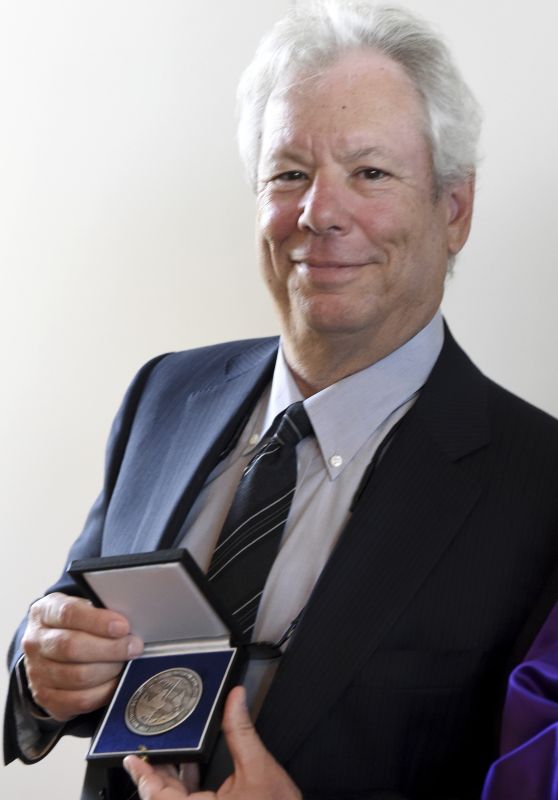
- The Nobel economics prize has been awarded to Richard Thaler of the University of Chicago for his contributions to behavioral economics. (Photo: AP)
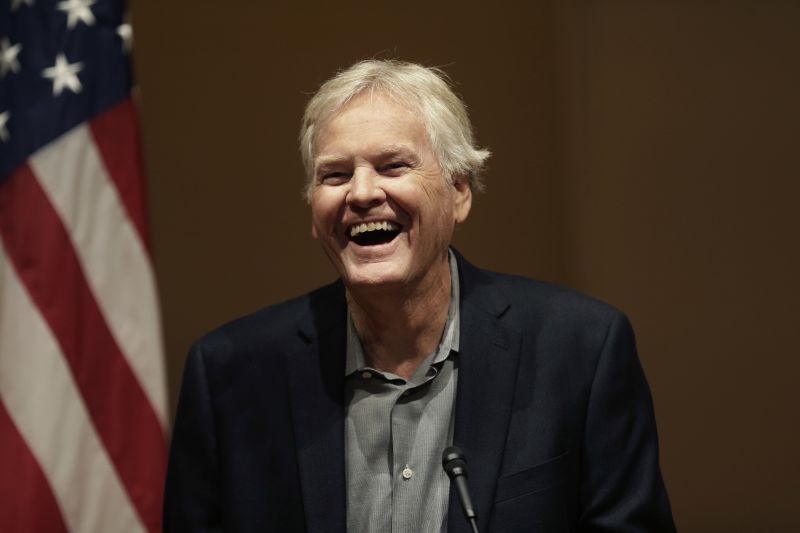
- Michael Young speaks at a news conference at Rockefeller University in New York, Monday, Oct. 2, 2017. Young along with two other Americans won the Nobel Prize in Physiology or Medicine. (Photo: AP)
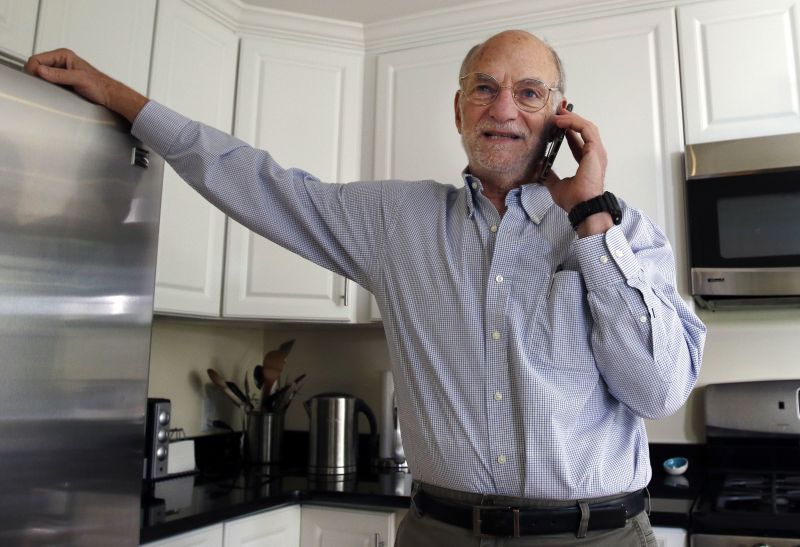
- Michael Rosbash takes a phone call at his home, Monday, Oct. 2, 2017, in Newton, Mass. Rosbach is one of the Americans awarded this year's Nobel Prize in physiology or medicine for discovering the molecular mechanisms that control humans' circadian rhythm. (Photo: AP)
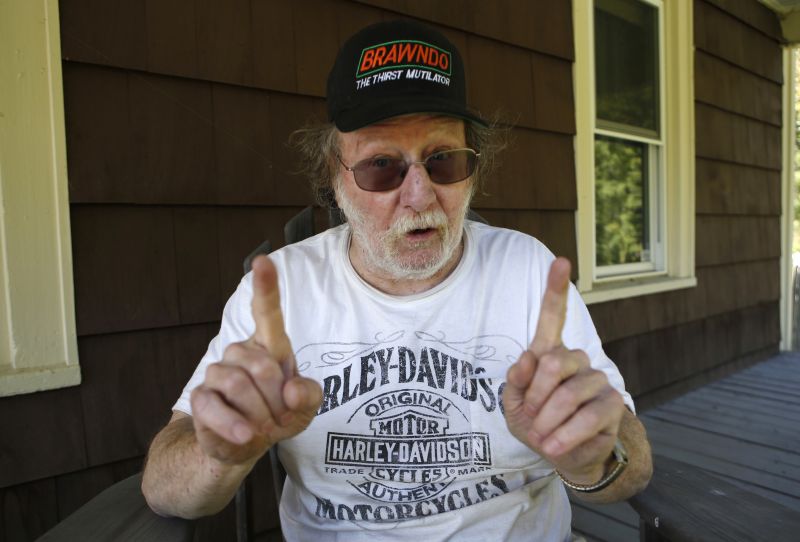
- Nobel prize winner Jeffrey C. Hall speaks to a reporter at his home in Cambridge, Maine, Monday, Oct. 2, 2017. Hall, along with Michael Rosbash and Michael W. Young, won the 9-million-kronor ($1.1 million) prize for their work on finding genetic mechanisms behind circadian rhythms, which adapt the workings of the body to different phases of the day, influencing sleep, behavior, hormone levels, body temperature and metabolism. (Photo: AP)
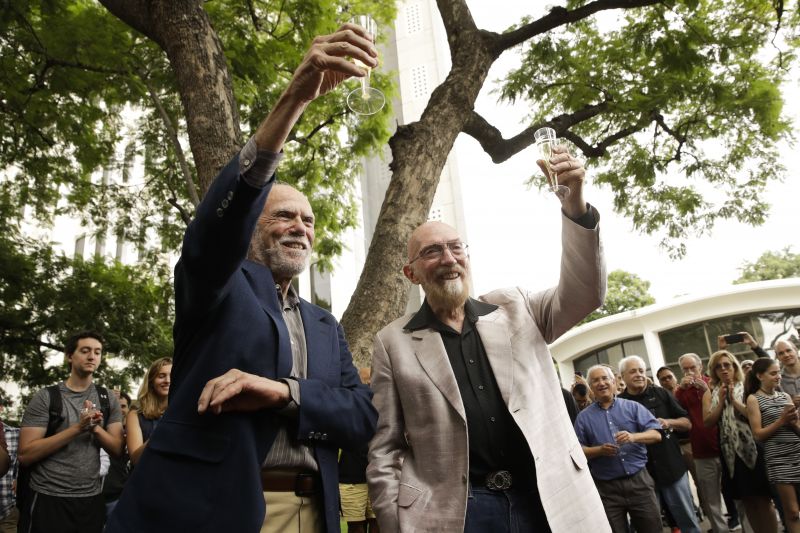
- Scientists Barry Barish, left, and Kip Thorne, both of the California Institute of Technology, share a toast to celebrate winning the Nobel Prize in Physics Tuesday, Oct. 3, 2017, in Pasadena, Calif. Barish and Thorne won the Nobel Physics Prize on Tuesday for detecting faint ripples flying through the universe, the gravitational waves predicted a century ago by Albert Einstein that provide a new understanding of the universe.
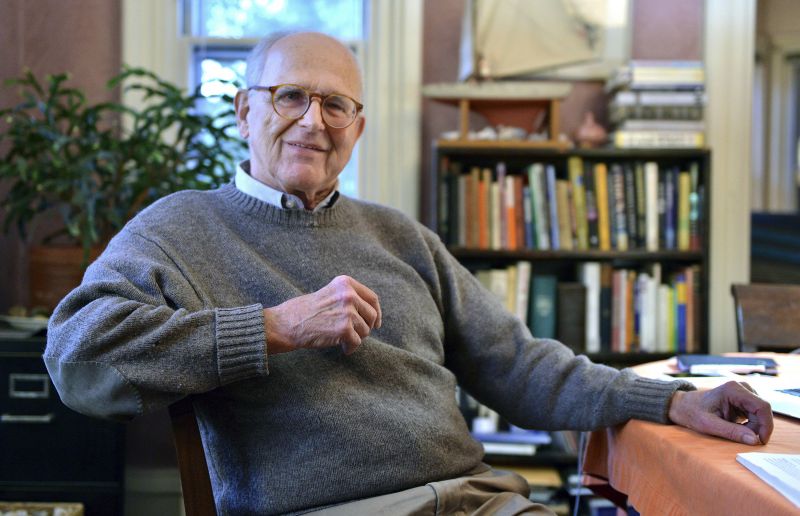
- Rainer Weiss poses for a photograph at his home, Tuesday, Oct. 3, 2017, in Newton, Mass. Weiss, of the Massachusetts Institute of Technology, is one of three awarded this year's Nobel Prize in physics for their discoveries in gravitational waves. (Photo: AP)
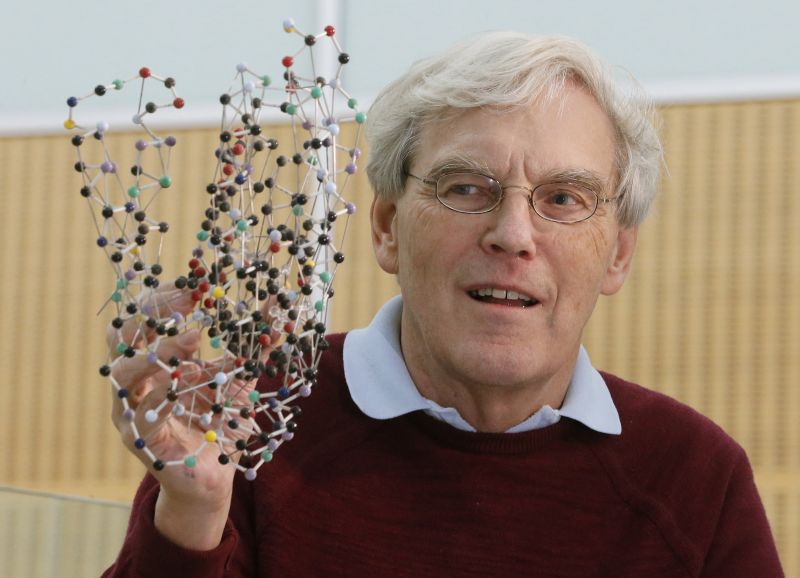
- Richard Henderson, one of the 2017 Nobel Prize winners in Chemistry, holds a bacterio rhodopsin model prior to a press conference at the Laboratory of Molecular Biology in Cambridge, England. (Photo: AP)
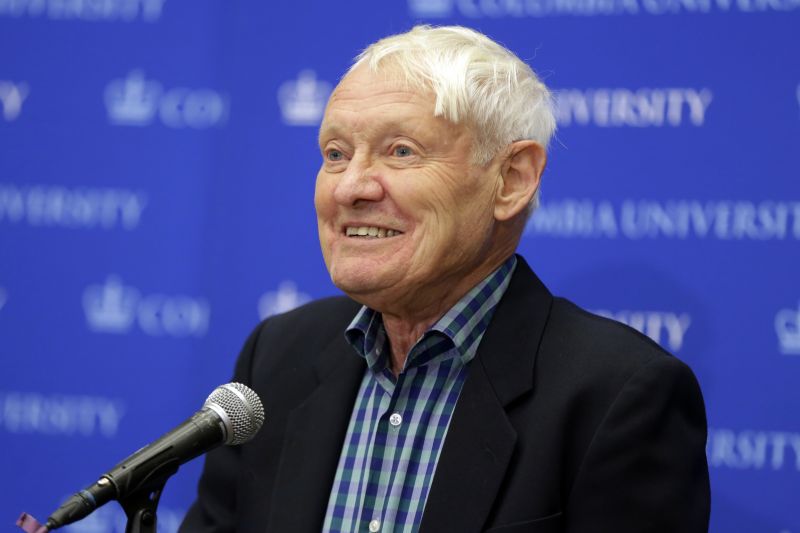
- Joachim Frank, of Columbia University, speaks at a Columbia University press conference Wednesday, Oct. 4, 2017, in New York. Frank shares this year's Nobel Chemistry Prize with two other researchers for developing a method to generate three-dimensional images of the molecules of life. (Photo: AP)
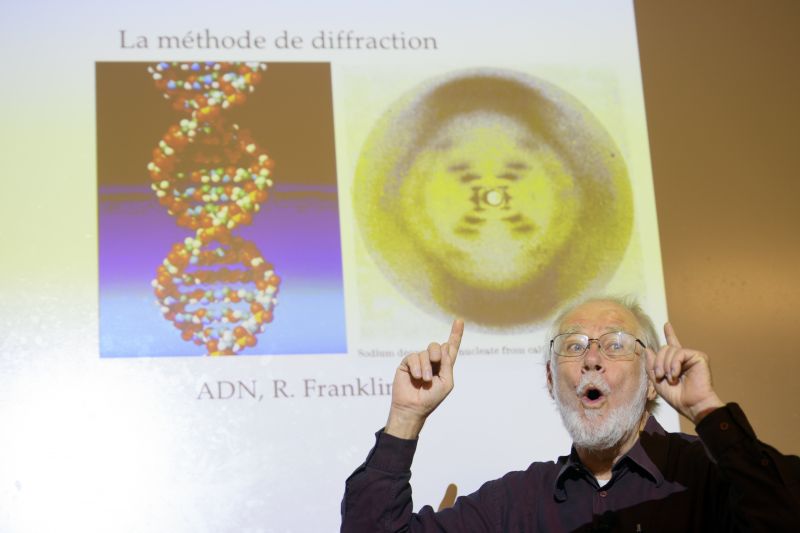
- Jacques Dubochet, University of Lausanne, one of the 2017 Nobel Prize winners in Chemistry gives a lecture at the Universitiy of Lausanne, UNIL, Switzerland, Thursday, October 5, 2017. The Karolinska Institute of Stockholm, Sweden, announced Wednesday that scientists Jacques Dubochet, University of Lausanne, Switzerland, Joachim Frank, Columbia University, New York, USA and Richard Henderson, MRC Laboratory of Molecular Biology, Cambridge, Britain were awarded with the 2017 Nobel Prize in Chemistry.
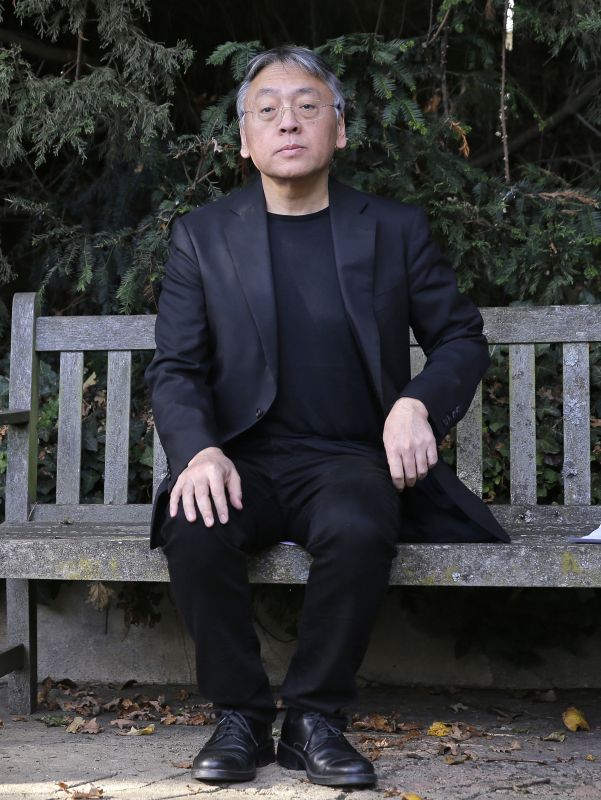
- Ishiguro, best known for \"The Remains of the Day,\" won the Nobel Literature Prize on Thursday, marking a return to traditional literature following two years of unconventional choices by the Swedish Academy for the 9-million-kronor ($1.1 million) prize. (Photo: AP)
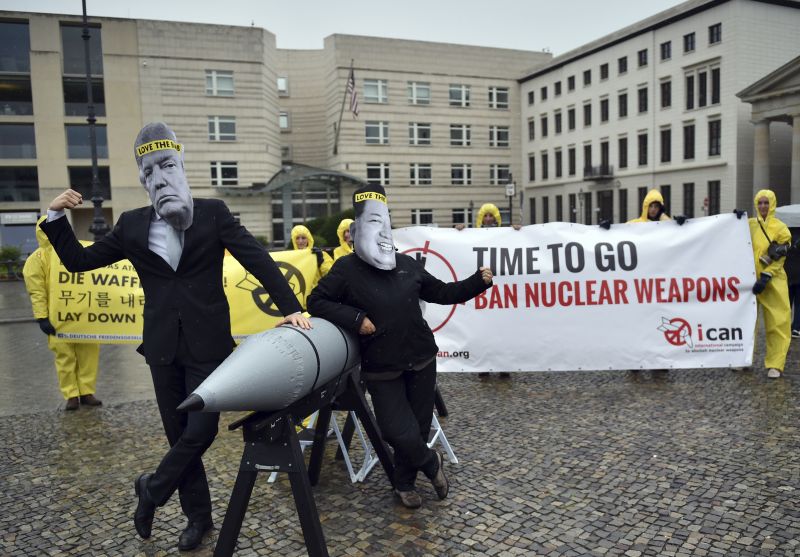
- Activists of the International Campaign to Abolish Nuclear Weapons (ICAN) protest against the conflict between North Korea and the USA with masks of the North Korean ruler Kim Jong Un, right, and the US president Donald Trump, left, in front of the US embassy in Berlin, Germany. The International Campaign to Abolish Nuclear Weapons wins the Nobel Peace Prize. The Norwegian Nobel Committee honored the Geneva-based group \"for its work to draw attention to the catastrophic humanitarian consequences of any use of nuclear weapons and for its ground-breaking efforts to achieve a treaty-based prohibition of such weapons.\" (Photo: AP)
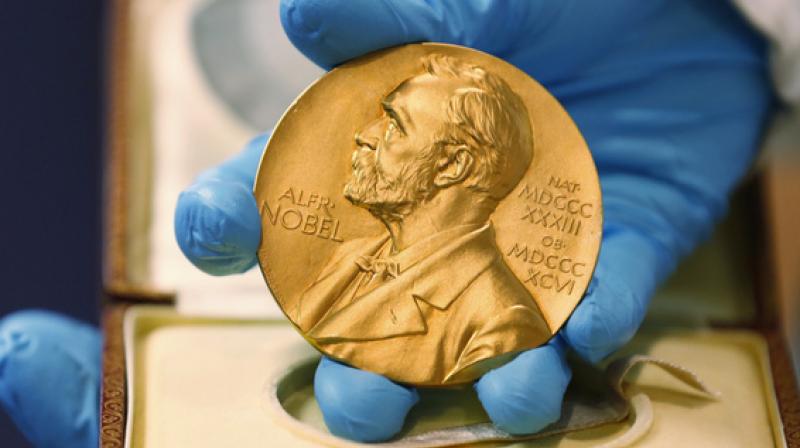
On 27 November 1895, Alfred Nobel signed his last will and testament, giving the largest share of his fortune to a series of prizes. These came to be known as the Nobel Prizes. (Photo: AP)
Alfred Nobel in his will gave the largest share of his fortune to a series of prizes. These are called the Nobel Prizes.


Next Story