The Biggest Takeaways From the FIFA World Cup 2026

From political tensions surrounding Iran's participation to criticism against refereeing, hydration breaks, this World Cup would be the marked by off-the pitch controversies
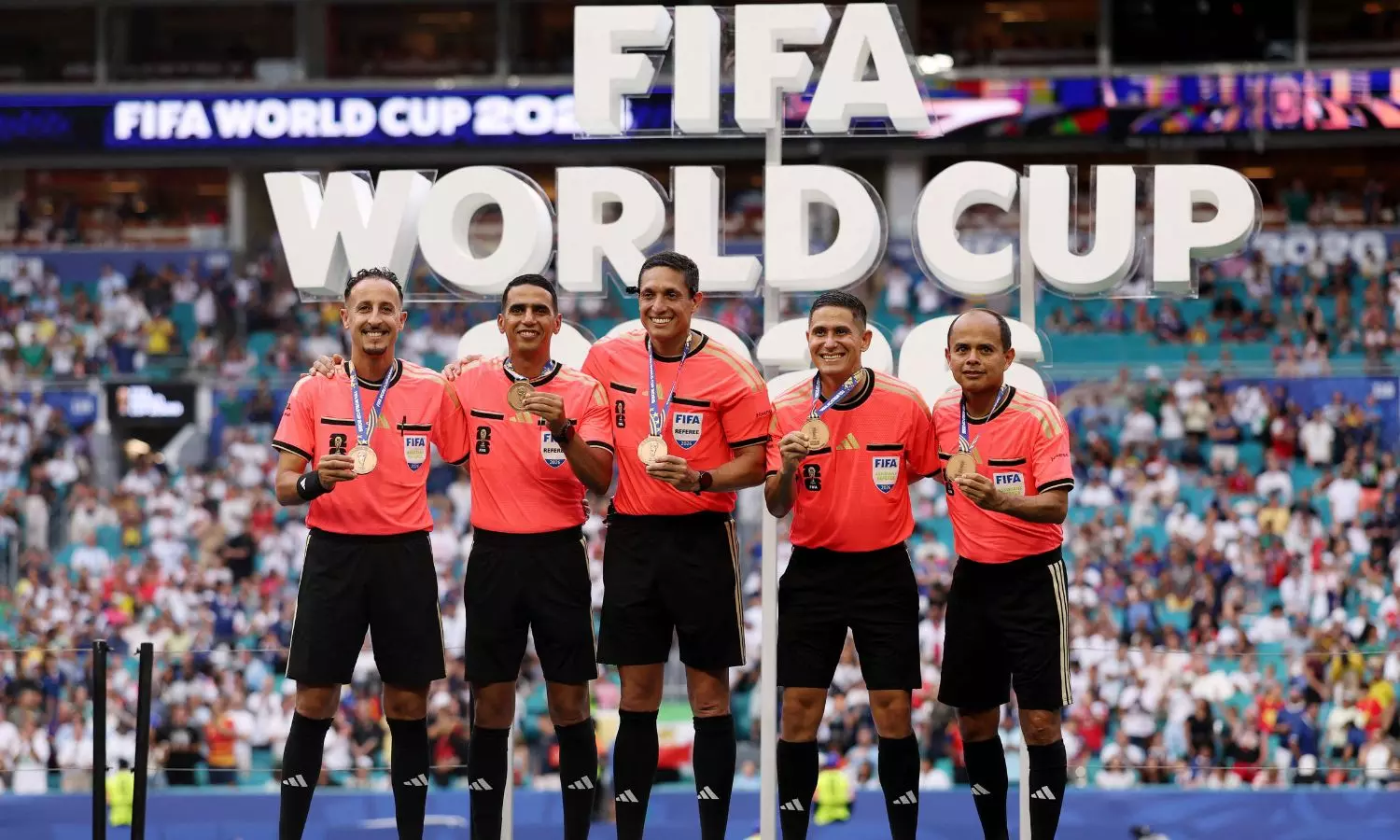
Atlanta: The World Cup final between Spain and defending champion Argentina marks the end of the biggest tournament in the competition's history. At the final whistle in New Jersey on Sunday, a record 104 games will have been played across almost six weeks and three countries.
The supersized tournament delivered thrilling action on the field, with upsets, dramatic comebacks, spectacular goals and standout performances by the biggest stars of the game.
It also generated controversy, from political tensions surrounding Iran's participation to criticism against innovations such as hydration breaks, which were unpopular among many fans.
Here are some key takeaways from the 2026 World Cup in the United States, Mexico and Canada.
More teams, more drama
A newly expanded 48-team format raised concerns about lopsided matches and a lack of jeopardy in the group stage.
Tell that to Cape Verde, Congo and even Curacao, which all made history and won new fans.
Cape Verde held Spain to a draw in its opening game, advanced to the round of 32 and gave Argentina a scare before eventually losing 3-2 in extra time in a World Cup classic. Cape Verde's goalkeeper Vozinha became a breakout star at the age of 40, gaining millions of followers on social media.
Congo also advanced beyond the group stage and pushed England before eventually losing, while Curacao was still in with a chance of making the knockouts going into its final group match.
FIFA opened its door to more teams and they proved they could compete on soccer's biggest stage.
The big stars delivered
The race for the golden boot became a who's who of the world's top players with Lionel Messi, Kylian Mbappe, Erling Haaland, Harry Kane and Jude Bellingham firing on all cylinders.
Mbappe led the way ahead of Sunday's final with 10 goals in the tournament and a record 22 career World Cup goals. Messi had eight at this World Cup and 21 in total with one game to go.
Cristiano Ronaldo couldn't lead Portugal to success in what he said was his last World Cup, while Spain's teenage sensation Lamine Yamal - the star of the Euros two years ago - had to work his way into the tournament after overcoming injury.
Big tech, big complaints
Video reviews known as VAR were at the center of a number of contentious decisions, ruling out huge goals for Germany, Croatia and Egypt.
Egypt coach Hossam Hassan launched a furious tirade after Argentina staged a spectacular comeback from 2-0 down to win 3-2 in the round of 16.
Fitted with sensors, the high-tech ball in use at the tournament cost Croatia a dramatic late equaliser against Portugal in the round of 32 when it detected the slightest of touches from Igor Mantanovic and ruled Josko Gvardiol's goal offside.
Exorbitant ticket prices, but fans still turned up
There were concerns going into the tournament that FIFA's introduction of dynamic pricing would make game tickets unaffordable for average fans. Some critics accused FIFA of a "monumental betrayal."
Official ticket prices on general sale ranged from USD 140 to USD 2,735 for group stage matches and up to USD8,680 for the final, far beyond the prices at the previous World Cup in Qatar in 2022. After criticism FIFA said it would offer a selection of USD 60 tickets for every game to the 48 national federations participating.
FIFA's resale market place allowed sellers to list tickets for massively more than face value, including ones for the final for just under USD 2.3 million. FIFA didn't control resale pricing, but took a cut from sales.
For all the criticism, fans still turned up in big numbers, even for games that didn't feature marquee teams or players.
After a shaky start when there were empty seats for the game between South Korea and the Czech Republic in Guadalajara, stadium after stadium reported full houses.
Hydration breaks a turnoff
FIFA's new hydration breaks midway through each half - a novelty for this World Cup - prompted loud jeers from fans inside the stadium, while former players were also critical.
The breaks were introduced to help players deal with the summer heat, but FIFA stipulated they would occur regardless of the weather, venue or location.
Coaches used them like timeouts to pass on in-game tactical instructions. Broadcasters, meanwhile, used them as an opportunity to take commercial breaks.
It is unclear whether FIFA will implement hydration breaks at future World Cups, but the English Football Association said they were unlikely to be in place for the 2028 European Championship, co-hosted by England, Scotland, Wales and Ireland.
Iran participated despite the war
It's not unusual for politics and sport to intertwine at the World Cup. This time the biggest political tensions surrounded the national team of Iran.
The war in the Middle East raised doubts about whether the Iranian team would show up at all. It did, but only after moving its base camp from Arizona to Mexico.
Its participation was overshadowed by visa issues, with the US refusing visas to several members of Iran's delegation. The Iranians also complained about travel restrictions, including having to leave the US immediately after each match.
When Iran was eliminated at the group stage, Homeland Security Secretary Markwayne Mullin made his feelings clear. "I'm just glad they're done and they're not coming back,' he said.
Trump's role in focus
While the Trump administration's travel restrictions on a series of countries prevented some fans from travelling to the US, there were no reports of the aggressive immigration enforcement that some human rights groups had feared could take place around World Cup stadiums.