What Indie Films Obsession and Backrooms Reveal About Modern Cinema Trends

The two Gen Z-directed films that are storming the world have a lot to say about the current cinema scene.
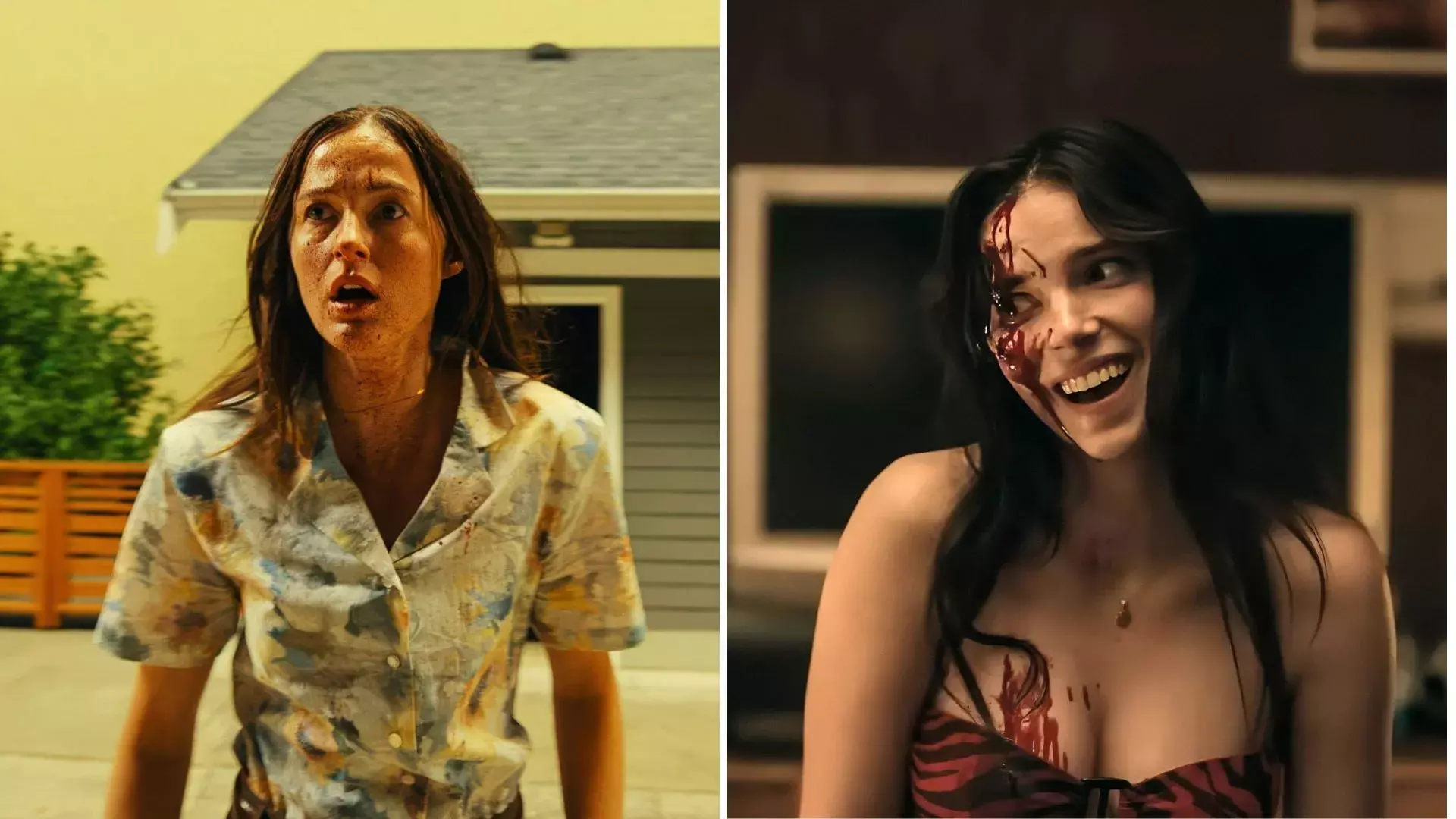
Obsession and Backrooms, the two indie films directed by young YouTubers, are all anyone is talking about. With low budgets and skyrocketing box-office collections, these two films are envisaged as Hollywood’s ultimate renaissance. While the films entail a possible shift in the future of filmmaking, this phenomenon is more of a plea to Hollywood to reflect on its shortcomings.
Several aspects of these breakthrough films are worth dissecting.
Maybe the daily life struggle is the new horror.
These two horror sensations used no ghosts or paranormal activity to incite apprehension in the audience, because the fear was already familiar.
Obsession has flamed online discourse as a primary example of the trending horror genre - “incel horror” - which features a man who feels entitled to a woman’s love, body, attention or obedience as the central threat. The film’s protagonist, Bear (played by Michael Johnston), who has feelings for his co-worker Nikki (played by Inde Navarette), uses the One Wish Willow to make her “love him more than anyone in the world”, which makes Nikki gradually spiral into madness and sociopathy. Twisting the classic “Nice Guy” archetype, the horror in this film stems from the brutal indictment of male entitlement, lack of consent and disregard for personal boundaries, a perfect allegory of today’s scariest dating nightmares for women.
On the other hand, Backrooms has sparked extensive analysis for its open-ended nature and is widely being dissected as a depiction of late-stage capitalism. The leading character of the film, Clark (played by Chiwetel Ejiofor), who wanted to be an architect, feels like his life is being wasted as he works in a furniture shop instead. The labyrinth of monotonous yellow walls, fluorescent lights and hauntingly unending rooms is a fitting backdrop for workplace alienation and burnout.
A Reddit user u/Apprehensive_Ad_3995 calls the Backrooms “the death of the American Dream," and writes, “The architecture of capitalism was not built for us. The backrooms are the ruins of modernity.” The “liminal spaces” signify the soul-crushing nature of corporate efficiency through the morose atmospheres of office cubicles, shopping malls and suburban sprawl.
These films struck a chord with audiences for the psychological terror and harrowing portrayal of modern struggles. Toxic relationship dynamics and a general dissatisfaction with life could not look existentially scarier than this.
The YouTuber-to-filmmaker pipeline is not new.
“Backrooms”, an A24 film directed by 20-year-old Kane Parsons, is an adaptation of his famous 4chan “creepypasta” YouTube web series.
James Wan, co-producer of Backrooms, described YouTube as “the perfect incubator for emerging voices” that allows creators to be as unique as they can, pitch their ideas, refine them from the raw and unfiltered feedback they get, and build their own audience. Through his viral web series, Parsons capitalized on his well-established Internet IP and a deeply rooted internet community.
On the other hand, Curry Barker, the 26-year-old YouTuber behind “Obsession”, had no previously founded IP like Backrooms did, but was known for being in the popular sketch channel “that’s a bad idea” and his 2024 horror short Milk and Serial.
However, this pattern is no Breaking News. We have seen this before with A24’s 2023 horror sensation Talk To Me, created by Michael and Danny Philippou, the twin brothers behind the adrenaline-fueled sketches on the RackaRacka YouTube channel. They went on to direct the 2025 supernatural blockbuster Bring Her Back, which cemented them as one of the modern masters of horror cinema. Iron Lung (2025) from YouTuber Markiplier, Shelby Oaks (2024) from renowned film critic Chris Stuckmann, also ran through the same pipeline, though not receiving responses as massive as Obsession or Backrooms.
Gen Z has not stopped going to the cinemas.
The emerging belief that Gen Z is reluctant to watch films in the theatre is often discussed by filmmakers today. The current generation’s increasing availability of streaming services post-lockdown and dwindling attention span resulting from off-the-roof social media screen time are believed to be the primary causes of empty theatres today.
However, the collections of these two films have proved this narrative to be false. Young audiences have shown up, even for the second or third time, to watch Obsession. With a historic run at the box office, the micro-budget film showed a groundbreaking 39% higher earnings in its second week than its debut week. This is an unprecedented milestone in modern cinema that usually expects a 50-60% drop in the second-week collections. After such overwhelming success, Focus Features has extended Obsession’s theatrical-to-digital release to a 45-day window.
Backrooms went on to become A24’s highest-grossing worldwide release, making Kane Parsons the youngest director to ever open a film at No. 1. These films have surpassed the collections of the two big-budget films released at nearly the same time, Star Wars: The Mandalorian and Grogu and He-Man: Masters of the Universe.
The explosive word-of-mouth fame of Obsession and the widespread internet momentum of Backrooms got them to where they are now.
In a survey conducted by Fandango in April, 87% of Gen Z saw at least one movie theatrically in the past 12 months, making them the most active moviegoing demographic. They also spend more per visit on premium formats like IMAX. Jerramy Hainline, executive VP at Fandango, commented, “While there has been a perception that Gen Z is less engaged with theatrical moviegoing, our data shows that their momentum has been building. What’s especially notable is how strongly they value the shared, communal aspect of the experience, reinforcing that theatres continue to play an important role as a social destination for younger audiences.”
This shows the truth that the film industry has been sweeping under the rug for a while now. Gen Z does not fancy watching a recycled remake of an already acclaimed classic or an unnecessary sequel to a franchise that was concluded years ago. Gen Z craves originality, fresh storylines, and films that make them feel part of a cultural movement.
Horror is the perfect genre to play it safe with a low budget.
Obsession and Backrooms, Barker and Parsons’s breakthrough films, respectively, were of the horror genre, which is coming to be known as the ideal launchpad for young filmmakers with limited resources. However, this trend has been the norm for ages.
The biggest horror films like The Blair Witch Project (1999) and Paranormal Activity (2007) were debut films that were made on a micro-budget. New filmmakers have always preferred horror as an entry point because it leaves immense room for creativity, clever concepts and experimentation.
Film producer Elliot Grove wrote in an article, “Fear is the cheapest special effect. When you strip filmmaking down to its bare essentials — light, sound, and human imagination — one genre keeps coming back from the dead: horror. No other genre rewards limitation like horror does. You don’t need car chases or VFX. What you need is tension, sound, and the courage to leave some things unseen.”
Horror is also considered the most “exportable” genre in cinema. “Horror crosses borders better than any other genre”, says Grove. The universality of fear as an emotion makes it easiest to market horror films internationally. Furthermore, the fan culture of the genre is a self-sustained ecosystem of people always on the lookout for discovering new films.
What Hollywood should be learning from Obsession and Backrooms
Jeff Rauseo, a content creator in the entertainment space, detailed in a recent article, “The correct takeaway from Obsession and Backrooms is not “we need to find YouTubers and put them in charge of projects.” The correct takeaway is that audiences respond to original, creator-driven work made by people who have a genuine relationship with their audience or can tap into the culture of the moment.”
Hollywood must focus not on replicating the trend by giving big project opportunities to creators with a million subscriber count, but must dig deeper to discover artists with genuine cinematic vision and stories worth telling. Young creators with a unique cinematic persona must be trusted with their vision and given creative freedom.
It is all about bringing authentic storytelling back to the screen.
This article is written by Hridya Lakkadi, a student of CBIT, interning with Deccan Chronicle.