Is Telugu Cinema's Obsession With Extreme Violence Turning Audiences Away?

Director Teja believes filmmakers are crossing the line by glorifying such gruesome acts
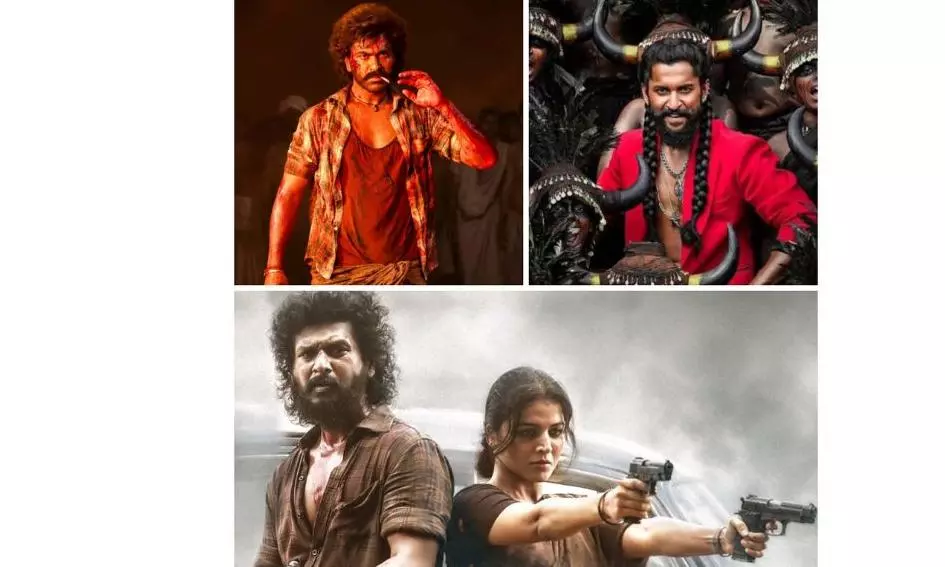
Blood splattering across the screen, heads being chopped off, bodies being sliced with machetes and heroes brutally eliminating their opponents have increasingly become a part of Telugu commercial cinema. Filmmakers appear to be pushing the boundaries of screen violence, believing that shocking action sequences and gruesome killings will generate whistles and elevate their heroes. However, the disappointing box-office performance of Sharwanand's Bhogi and the response to Toxic have triggered a debate over whether audiences are gradually losing their appetite for excessive gore and graphic violence.
In Bhogi, Sharwanand is seen wielding a long knife and brutally killing his opponents, even chopping up human bodies. Yash's Toxic is packed with bloody encounters, with the actor going on a killing spree using guns, swords and other weapons. Nani's The Paradise also features the protagonist wielding blades to violently bring down his enemies. Such sequences suggest that filmmakers are increasingly relying on graphic brutality to establish the power and ferocity of their protagonists.
The trend is not restricted to these films. In DC, Lokesh Kanagaraj indulges in plenty of bloodshed. Earlier, Dulquer Salmaan drove a knife into a thug's heart and sarcastically described the act as "cardiac surgery". What was once considered shocking screen violence is now increasingly being presented as a routine hero-elevation moment.
"Just violence for the sake of violence will not work, and Telugu audiences have thumbed it down. In the name of heroism, some stars are indulging in extreme bloodshed, cuss words and sleaze, but it has gone awry," says a producer.
Director Teja believes filmmakers are crossing the line by glorifying such gruesome acts.
"These are truly inhuman acts, and we shouldn't encourage extreme violence in movies," he says. He points out that Rajinikanth, despite being one of Indian cinema's biggest action stars for four decades, traditionally avoided excessive gore.
Telugu cinema, of course, has a long history of blood-soaked action. Faction-based dramas set against the backdrop of Rayalaseema often featured brutal killings, machete attacks and severed limbs. Films such as Samarasimha Reddy, Narasimha Naidu, Yagnam and Indra showcased considerable violence.
However, Teja feels that portraying such acts as heroic, particularly in stories claiming to draw inspiration from real-life incidents, could send the wrong message.
Interestingly, several films featuring large-scale violence have gone on to become major commercial successes. Vikram, RRR, KGF: Chapter 2 and Veera Simha Reddy combined high-voltage action with graphic confrontations.
The success of KGF: Chapter 2 and Yash's iconic "Violence, violence" dialogue also encouraged filmmakers to push the limits of screen brutality. However, industry observers question whether the formula can be repeated endlessly.
Producer Lagadapati Sridhar feels that the problem lies in the execution rather than the presence of violence itself.
"I don't think we should blame KGF alone for the growing violence in South Indian films. Hollywood films are also loaded with action sequences, but they are often well-choreographed and stylishly captured, so they look convincing on screen. Our filmmakers sometimes lack that finesse," he says.
He believes the competition to create increasingly brutal hero-elevation scenes has resulted in unnecessary excesses.
"Directors need to think of new ways to showcase heroism rather than simply trying to outdo each other by adding more fighters, more bloodshed and unnecessary violence. There has to be a limit," he adds.
Sridhar also points to the influence of violent video games, where graphic killings, weapon-based combat and gruesome finishing moves are central to the experience. He feels that such visual influences could be finding their way into the imagination of filmmakers.
"There are many violent video games that could influence filmmakers when they design slam-bang action sequences. Even violence in video games has been debated for its possible influence on aggressive behaviour among children and young people. Films, too, need to exercise some restraint," he concludes.