Senior artist Ratna Pathak Shah reflects on Ismat Chughtai’s fearless humour, family collaborations on stage and the future she envisions for Indian theatre
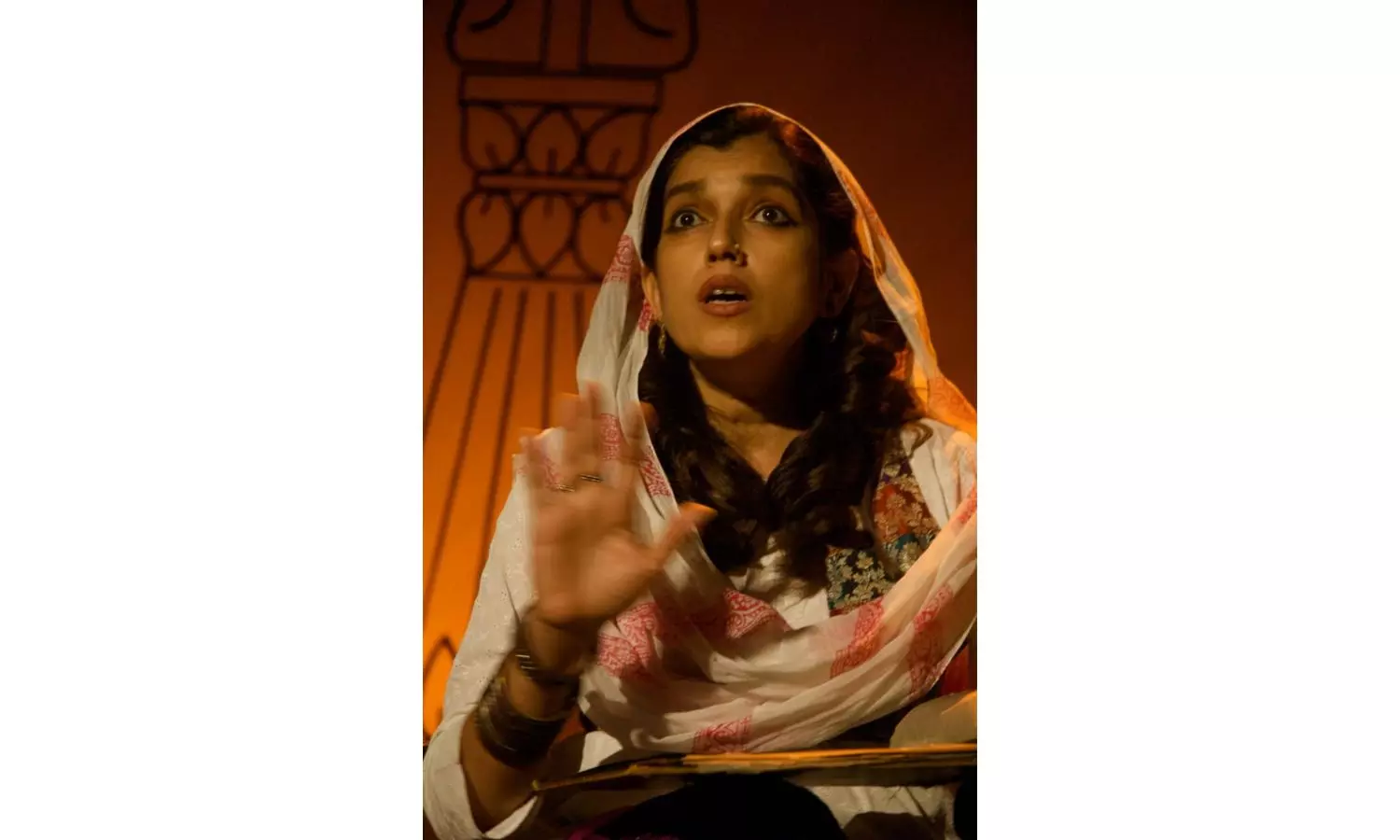
Ahead of the Hyderabad performance of the acclaimed play Ismat Apa Ke Naam, Ratna Pathak Shah speaks about the enduring power of Ismat Chughtai’s women, the joy and friction of working with family, and why India’s theatre ecosystem is on the brink of change. Her thoughts carry the same honesty, wit and sensitivity that define the stories she brings to life.
Excerpts
What continues to inspire you about revisiting Ismat Chughtai’s women and their inner worlds?
The stories themselves keep pulling me into Ismat apa’s world - so different in some ways from mine and yet deeply connected to women's lives even today. She was fearless, sharply critical yet looked at human lives with empathy & sensitivity. And humour was her special weapon. She could strip the mask of pompous authority and poke fun at it with relish.
How does performing alongside your family shape the energy and rhythm of Ismat Apa Ke Naam?
I think it's a special blessing to be able to connect at work as well as at home. During rehearsal, we learn many things about each other & our individual skills. We have arguments and disagreements, of course, but that makes the process & the production more nuanced. Most importantly, we enjoy the time we spend together...what more can one ask for?
What aspect of Chughtai’s humour resonates the most with you on stage?
She can be brutally honest & critical but she also deploys charm humour & a deep appreciation of people's lives. Rather than bemoaning their position in society, she makes them agents of power & change - subtle but unmistakable. And she loves to poke fun at fuddy-duddy ideas & values. The characters of Laajo & Mirza, in one of the stories we are doing in Hyderabad, are shockingly hilarious even in our post-modern times.
How do you see theatre evolving for women performers in India today?
There are many more women writers, directors, theatre managers, technicians than ever before. These are women who are charting their own paths, raising funds for themselves & others, finding new spaces & new processes by which to further their art. They will change the stories we tell & help make theatre practice more inclusive.
What is one change you hope to see in India’s theatre ecosystem in the next decade?
More small-medium sized theatres in villages, towns, and cities, basically, everywhere. And more exposure to theatre in schools & educational institutions - that will go a long way to create an ecosystem that could be sustainable. More money in the theatre can be a double-edged sword, but we need forward-looking funders to help support experimentation in theatre practice.
The audience is growing already - more & more people find screen-based entertainment unsatisfying & already they are flocking to live performances. This process will continue. One day it may be possible for theatre people to make a living entirely from our work - that's the future I hope for.

