Telugu Actor Suhas’ Colour Discrimination Comments Spark Debate

Some users on X went a step further and described Mathimaran’s comments as a “cheap sympathy stunt”.
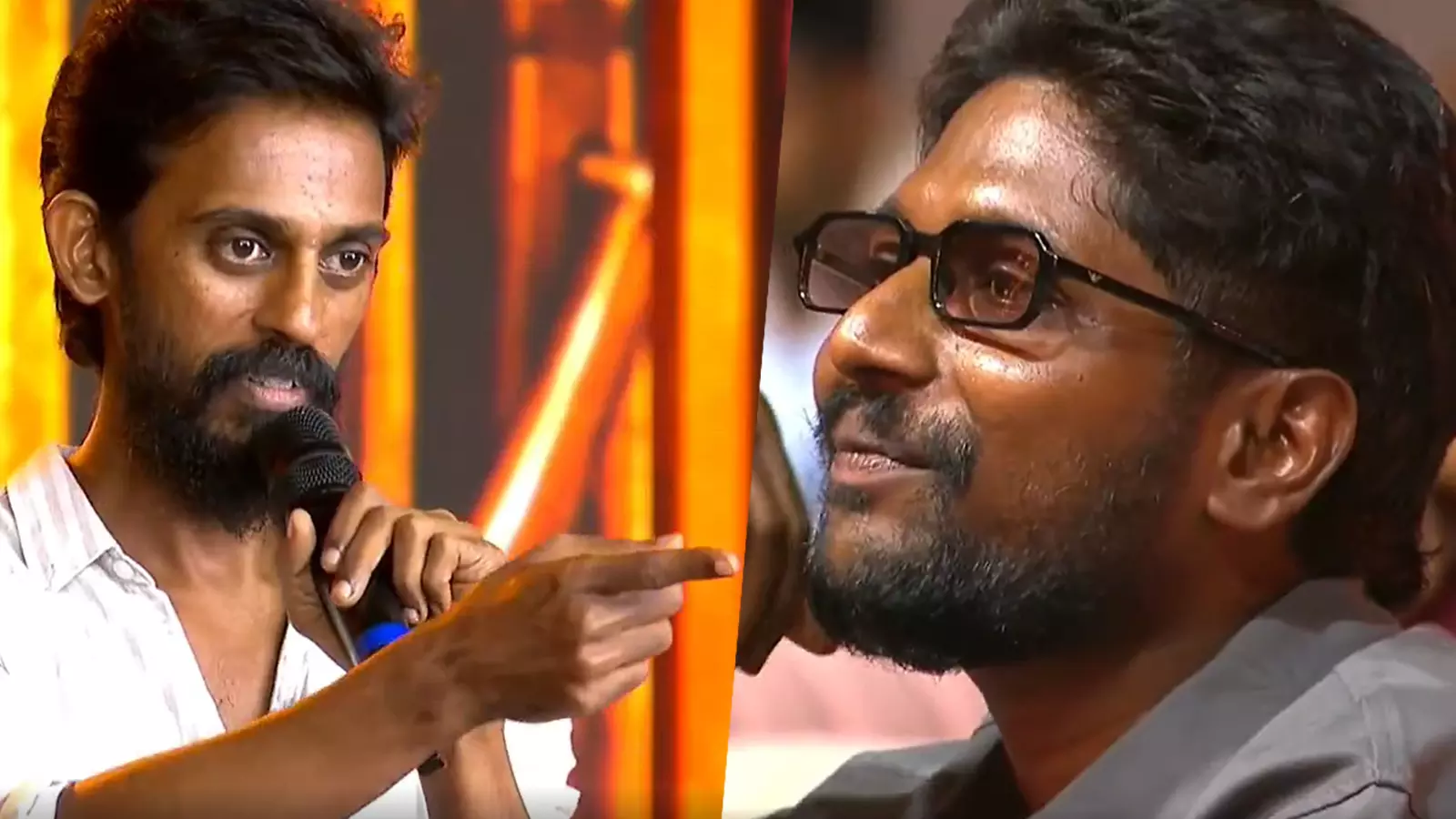
‘Mandaadi’ director Mathimaran’s comments about Suhas and colour discrimination have triggered a debate among Telugu audiences on social media. The director claimed that Suhas was disappointed by colour-based comments in Telugu circles, while audiences in Tamil Nadu have warmly accepted him irrespective of his complexion. He also cited the reception to ‘Mandaadi’ as an example. Suhas appeared to nod in agreement while the director was making the statement.
However, the comments have not gone down well with a section of Telugu audiences on X. Some users questioned the claim that Suhas faced colour-based discrimination in Telugu cinema, pointing to the opportunities he has received and the support he has enjoyed from audiences throughout his career.
Suhas has built his position in Telugu cinema largely through his performances rather than a conventional star image. From ‘Colour Photo’ to ‘Writer Padmabhushan’ and several other films, he has continued to receive opportunities across different genres and roles. His recent Tamil debut ‘Mandaadi’ has also brought attention to his performance in a negative role.
Some users on X went a step further and described Mathimaran’s comments as a “cheap sympathy stunt”. Their argument is that Telugu audiences have generally judged Suhas on his talent and performances rather than his complexion.
The discussion has also moved towards beauty standards in Tamil cinema. Some Telugu users questioned why dusky skin is often considered acceptable for male characters and heroes, while female leads are subjected to different beauty standards. They pointed to the casting of fair-skinned actresses from other states and questioned whether the same acceptance of darker skin extends to Tamil heroines.
The comments have therefore opened up a wider debate, with the conversation moving beyond Suhas’ experience to broader questions about how colour and appearance are perceived differently for male and female actors in the South Indian film industries.
