SC Refuses to Stay Release of Lord Jagannath Animated Film, Raises Concern Over Pleas to Ban Art

The Shree Jagannath Temple Administration and a devotee had filed the applications to modify the July 17 order seeking to stop the release of the film
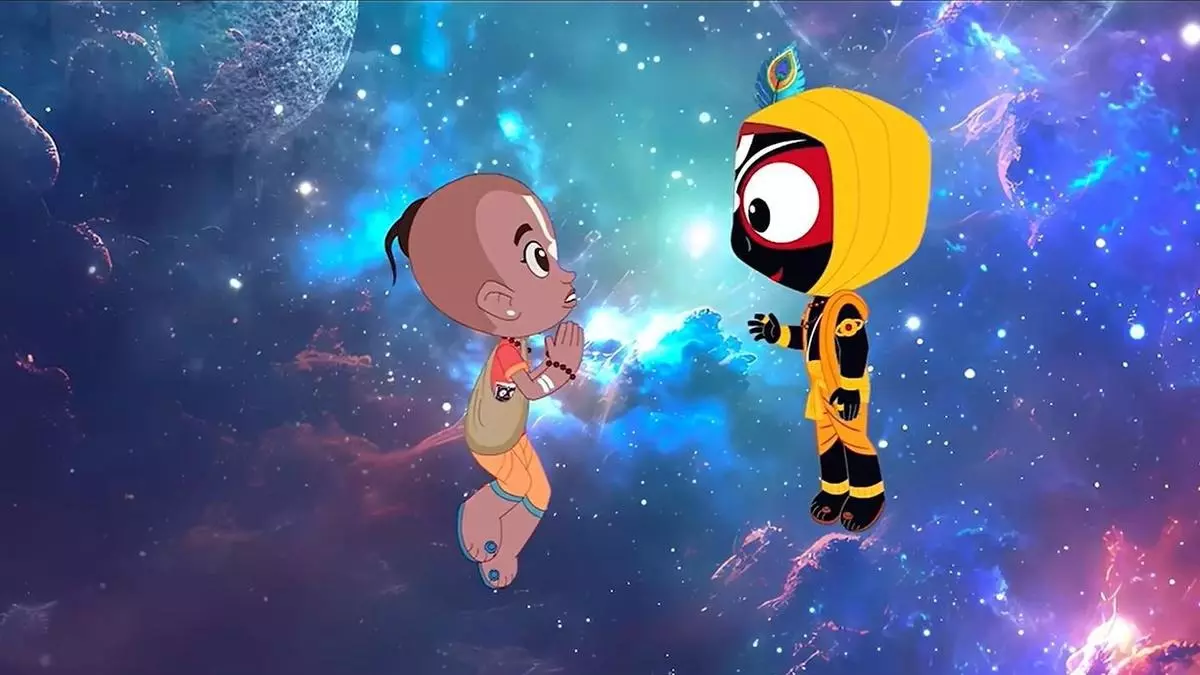
NEW DELHI: The Supreme Court on Wednesday dismissed a plea by the Odisha government against the release of the animated film “Mahaprabhu Jagannath”, refusing to interfere with its earlier order permitting screening.
A Bench of Justices B.V. Nagarathna and R. Mahadevan declined to modify its order and said animation, as a form of creative expression for children, should not be curtailed. “There is creativity in the country. Animation is for the purpose of children. Nobody is now reading books. These things should not come in the way of art,” the court said.
The Odisha government had argued that the film’s release could lead to law and order issues following objections from some sections over the depiction of Lord Jagannath.
The apex court had earlier allowed the all-India release of the film on or after July 28, after Rath Yatra festivities, noting that the animated content was based on a web series already available on YouTube and had been cleared by the Central Board of Film Certification.
It had, however, directed filmmakers not to release the movie during the Rath Yatra period.
Senior advocate Devadatt Kamat, appearing for the producers, had submitted that substantial investment had been made and theatres had been booked, and any delay in release during the festive period would cause significant losses. He had said the film, cleared by the CBFC, was a fictional animated work meant for children.
The court disposed of the producers’ petition challenging a High Court order that had stayed the film’s release.
The High Court had passed the interim stay while hearing a public interest litigation, observing that objections regarding the portrayal of Lord Jagannath required detailed examination before public exhibition.
The petitioners had sought cancellation of the film’s certification and a direction to restrain its screening in Odisha, alleging that the depiction of the deity’s childhood, dialogues and battle sequences was contrary to scriptures and established temple traditions.
