Mahesh Mathai on Real Kashmir FC: Even at the Lowest of Times, There is Hope

30 Oct 2026 10:24 PM IST30 Oct 2026 10:24 PM IST
The series has now received an International Emmy nomination in the Best Drama Series category at the 54th International Emmy Awards. I
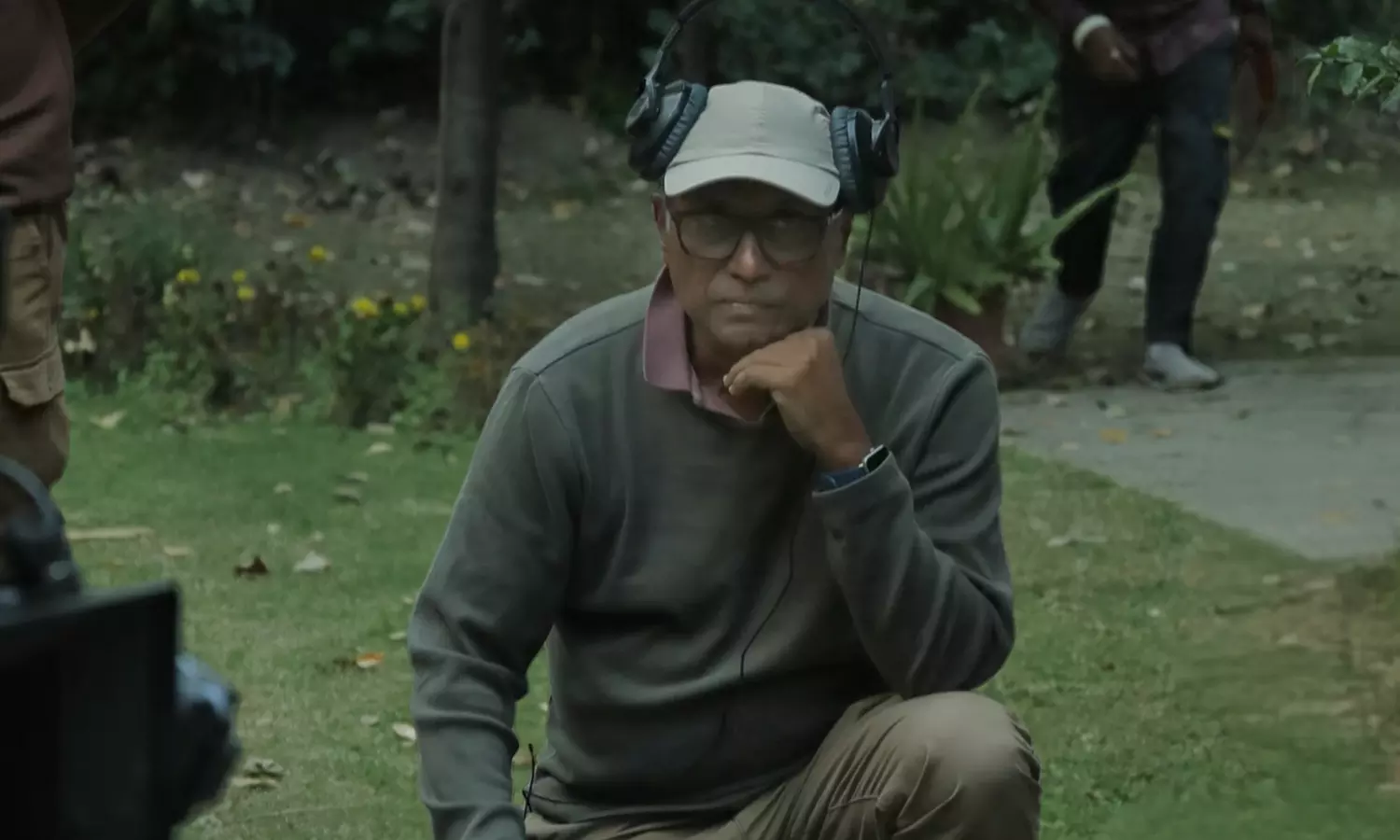
Film Director Mahesh Mathai in the frame (Photo by arrangement)
How can sport become a source of hope during difficult times?
For filmmaker and advertising director Mahesh Matai, the story of 'Real Kashmir Football Club' offers an answer. Set against the backdrop of a challenging period in Kashmir, the series explores how two individuals built a football club that went on to change lives and inspire people.
The series has now received an International Emmy nomination in the Best Drama Series category at the 54th International Emmy Awards. In an exclusive interview with Deccan Chronicle, Mathai speaks about what drew him to the project, the realities of portraying Kashmir on screen, the transition from advertising to long-form storytelling and the importance of bringing stories from different parts of India to a global audience.
Excerpts from the interview:
What drove you to the story of Real Kashmir Football Club in the first place?
I was very fortunate that the project was brought to me by the producers, Kilian Kerwin and Vishakha Singh. Kilian initially sent me a note explaining what the story was about, and I immediately felt it was something I would like to be involved in.
When he sent me a longer version, I became even more interested. I felt this was a story I did not want to let go of. It appealed to me because of its setting, its subject and, most importantly, the way it used sport not just to tell a story but also to change people's lives.
How did you translate the realities of football in Kashmir into a drama that goes beyond the sport itself?
First, I must acknowledge the writers. I was not involved in writing the series. The writing team was led by Simaab Hashmi, who headed the project.
The writers had read a newspaper article about a small football club in Kashmir that had won a tournament against the odds. Since the series is inspired by a true story, they travelled to Kashmir, met the founders and spoke to the people who had started the club.
They conducted extensive research long before the project came to me. By the time I received it, the story had already taken the shape of a script. It was a dramatisation of the original events, but largely stayed true to the real story.
The Real Kashmir Football Club is set against the backdrop of the conflict in Kashmir. How did you capture the realities of living in the region while also bringing out the aspirations, hopes and everyday lives of its people?
First, I would like to address the word 'conflict'. People sitting in different parts of the world often associate a place with conflict, but what exactly does conflict mean? It can refer to war, difficult circumstances, military occupation, border tensions or situations such as those in Palestine or Ukraine.
Kashmir has certainly experienced conflict in the past. Its geographical location, bordering two countries that have been at war several times, has contributed to its difficult history. The region has also experienced militancy and other challenges.
However, when we talk about conflict, we must understand the specific situation at the time the story is set.
In this case, the story takes place during a particularly difficult period following the devastating floods of 2014. The floods affected livelihoods and caused widespread destruction across the Kashmir Valley. People were already dealing with the challenges of the past, and the floods made their situation even worse.
At that point, the region was facing several difficulties. But what is important is that the two men who founded Real Kashmir Football Club started the club during that very period.
This tells us that even at the lowest of times, whether because of conflict, natural disasters or other challenges, there is hope. And hope is what keeps people going.
Does the International Emmy nomination signal a growing global appetite for Indian stories?
I don't think the nomination is specifically about the growing appetite for Indian stories. An International Emmy nomination is an acknowledgement of good stories that are told well, regardless of where they come from.
India has received international nominations before and has also won awards in the past. I believe interest in stories from different parts of the world is growing. However, what matters is not just the story or where it is set, but also how well it is told.
What I find encouraging about this nomination is that it recognises both the story and the quality of its presentation. It shows that the way a story is made and told is just as important as the subject itself.
Since you are also an advertising director, advertising films often have just a few seconds to capture the audience's attention and leave a lasting impression. As a director, how do you approach that challenge, from the initial idea to the final film?
I spent many years working in advertising. As you mentioned, you often have just 30 seconds or a minute to make an impression. The aim is to create a lasting image or communicate a small but memorable emotion.
However, the emotional impact of an advertisement is different from what you experience when you hear a deeply engaging story. An advertisement, a photograph or a piece of music can stay with you, but each creates a different kind of emotional response.
Telling a story in 30 or 40 seconds is certainly challenging, and I have always enjoyed that process. However, advertisements are generally simpler stories. They do not usually involve multiple characters or complicated storylines.
A deeper emotional connection requires different storytelling techniques. When a story gets under your skin and connects with you emotionally, it stays with you for a long time.
I also feel that advertising does not use emotional storytelling as much as it once did. There was a time when many advertisements relied on strong emotional narratives, but we don't see as many of them today.
So, having spent years telling stories through advertising, how different was this experience of long-form storytelling?
The difference is enormous. Directing a series is closer to writing a book, where you gradually build the story and develop its characters.
In this series, there are seven or eight different stories woven together, eventually forming one larger narrative. It is not just about one central character but about several people and their individual journeys.
This makes the process more complex and requires a great deal of effort and concentration. It was also a different form of storytelling for me, so there was a learning process involved. Fortunately, I was working with experienced producers and writers who helped make that journey easier.
From Cadbury and Everyday campaigns to Real Kashmir Football Club, how has your understanding of what makes a story connect with audiences evolved over the years?
I think it comes down to the different kinds of emotions that stories can create.
For example, I can tell you a joke in a minute, and you might have a good laugh. That is a very different experience from listening to a meaningful story that develops over time and involves several characters.
Both experiences have value, but they connect with different aspects of our emotions and minds. A short advertisement can make you smile or create a memorable moment, while a longer story can explore deeper feelings and relationships.
As you head to New York for the International Emmy Awards, what would recognition on a global stage mean to you? And how might it influence the stories you choose to tell in the future?
I already feel recognised. Whether or not Real Kashmir Football Club wins, being nominated alongside three other shows in the drama category is itself a significant achievement.
Winning would, of course, be another level of recognition. However, I don't think it will change the kind of stories I want to tell. What I hope it will do is create more opportunities to tell them.
The nomination is important because it shows people in India that stories like this can find an audience, receive recognition and reach a wider platform. It may encourage filmmakers and producers to explore stories from different parts of the country.
We don't always have to tell mainstream stories that follow familiar ideas of who a hero should be. There are so many stories waiting to be told from places such as Kerala, Bengal, Odisha and other parts of India.
Ultimately, what matters is the human element of a story and the emotional truth behind it. If we can tell these stories honestly and effectively, they can connect with audiences anywhere in the world.
So, this brings me to my last question. What are your upcoming projects? Can you tell us about them?
I am currently starting work on another series, but I cannot share details about it just yet. I also have a few other projects in the writing stage.
I hope the recognition from the International Emmy nomination will help me connect with a wider group of people and create opportunities to tell more stories.
I would like to explore narratives that are not necessarily part of the mainstream. Hopefully, this platform will help me take those stories forward and bring them to audiences.
( Source : Deccan Chronicle )


Next Story