Prabhas Gives Infinite Space for Directors, Says Hanu Raghavapudi

He also hints at the use of Sanskrit slokas and the philosophy of the Bhagavad Gita, adding depth to the narrative.
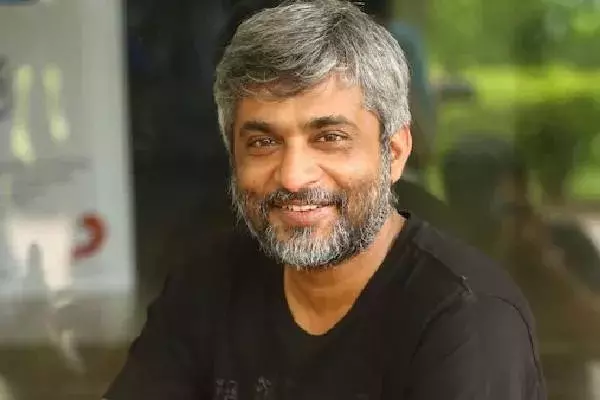
Noted director Hanu Raghavapudi reveals that his upcoming period action saga Fauzi, starring Prabhas, blends the valor of legendary warriors like Arjuna, Karna, and Ekalavya into one powerful protagonist. He also hints at the use of Sanskrit slokas and the philosophy of the Bhagavad Gita, adding depth to the narrative. In an exclusive chat with Deccan Chronicle, the filmmaker opens up about the film’s theme, Prabhas’ creative collaboration, and the love story at its heart.
The title poster of Fauzi features names of mythological warriors like Arjuna and Karna. What’s the significance?
Prabhas plays a larger-than-life soldier in Fauzi, and I wanted to infuse his character with the traits of legendary warriors. To me, Arjuna, Karna, and Ekalavya represent three distinct yet powerful dimensions of heroism — skill, sacrifice, and devotion. I wondered what would have happened in the Mahabharata if Karna had joined forces with the Pandavas — it would have completely changed the course of the war. That thought inspired me while shaping this film. Without revealing much, I can say it’s an action-packed story set in the 1940s colonial era.
Why use Sanskrit slokas and references to the Bhagavad Gita?
We intentionally used Sanskrit slokas because they add gravity and meaning to our warrior tale. However, this is not a mythological film. We’ve only drawn philosophical inspiration from the Bhagavad Gita. Fauzi is a powerful patriotic drama that explores human emotions and socio-political tensions during the British era — many of which still resonate globally today.
We’re portraying one world of Prabhas in this movie, and the second installment will explore another dimension. There’s abundant material from our colonial past — stories that ended tragically but could’ve been fairy tales in another reality. I’ve also woven in a few real-life experiences that inspired me personally.
How was it working with Prabhas? Does he give you creative freedom?
Prabhas is called “Darling” for a reason. He gives infinite creative space to his directors and fully supports their vision. Despite his superstardom, he remains humble, hardworking, and incredibly grounded. I’ve never had this level of creative freedom in my entire career. He brings multiple shades to his character in this film, set against the British backdrop, and has delivered a phenomenal performance. I would love to collaborate with him again.
You’re known for emotional love stories. What can you tell us about the romantic angle in Fauzi and Imanvi’s character?
From Andala Rakshasi to Sita Ramam, audiences have connected deeply with my love stories, and Fauzi will be no exception. The romance between Prabhas and Imanvi is different in tone — intense, emotional, and impactful. As for the rumors about Imanvi’s “Pakistan connection,” I want to completely dismiss them. She was actually in Los Angeles, where her father works in the hospitality industry. She comes from a simple middle-class background and is focused on her acting career. I hope people support her rather than spread baseless gossip.
Has Fauzi been designed as a pan-world movie?
When you have Prabhas in the lead, the film naturally becomes pan-world. His fan base transcends borders. We’ve made a deeply rooted story that will emotionally connect with audiences everywhere. Of course, Prabhas will carry the film globally, but I believe it’s the heart-touching drama and universal themes that will truly appeal to every section of the audience.
