From Narsimha to Kurukshetra: Mythological Animation Is Sparking a New Wave in Indian Cinema

After the record-breaking success of Mahavatar Narsimha and the buzz around Netflix’s Kurukshetra, mythological animation is emerging as India’s most exciting new storytelling trend
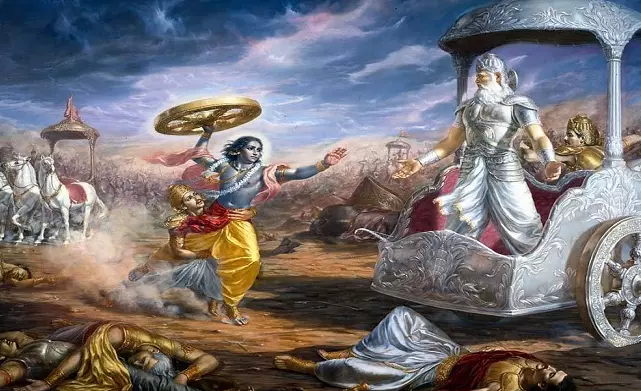
Indian cinema is entering an exciting new phase — one where mythology meets modern animation. The blockbuster success of Mahavatar Narsimha and the buzz around Kurukshetra: The Great War of Mahabharata have sparked a nationwide conversation: is mythological animation the future of Indian storytelling?
For decades, mythological tales have defined India’s cultural imagination, from television epics to silver-screen legends. But now, these divine stories are being reborn in digital form — fusing ancient faith with futuristic visuals. The turning point came in July 2025, when Mahavatar Narsimha became India’s highest-grossing animated film, earning over Rs 100 crore in just ten days. Its cinematic scale, emotional depth, and stunning visuals proved that Indian audiences were ready to embrace animated mythology — if done with heart and innovation.
Riding on that success, Netflix released Kurukshetra in October 2025 — a breathtaking retelling of the Mahabharata war seen through the eyes of 18 warriors. With its global-scale animation and immersive storytelling, the series redefined what Indian animation could achieve. Together, these back-to-back hits have set off what many are calling a “mytho-animation wave” — a renaissance of animated storytelling rooted in Indian spirituality and heritage.
The appeal is obvious. Indian mythology offers a treasure trove of gods, demons, epic battles, and moral conflicts — all tailor-made for the grandeur of animation. What’s changed today is ambition. The medium, once dismissed as “just for kids,” has evolved into a serious cinematic art form, backed by world-class technology, international collaborations, and the support of major platforms like Netflix and Prime Video.
This isn’t India’s first flirtation with mythological animation — films like Ghatothkach (2008), Ramayana: The Epic (2010), and Mahayoddha Rama (2016) walked so that today’s creators could run. But what sets the current wave apart is its scope and sophistication — realistic 3D visuals, emotionally layered storytelling, and theatrical releases aimed at all age groups.
Still, challenges remain. While Kurukshetra dazzles with its visuals, critics say future projects must dig deeper — moving beyond familiar retellings to explore regional folklore, untold myths, and even original fantasy worlds inspired by Indian spirituality. The audience today wants not just spectacle, but soul.
So, is mythological animation India’s next cinematic revolution? All signs point to yes. With more projects reportedly in the works, this fusion of devotion and innovation could soon place India on the global animation map — where gods and heroes are reborn, not just in temples or texts, but in pixels and light.
This article is authored by Sakshi, an intern from ST Josephs Degree and PG College.
