I Steer Clear of Sensationalizing or Dramatizing Anything

The book’s thrilling narrative and police procedural elements drew me in, and I knew I had to bring it to life on screen.
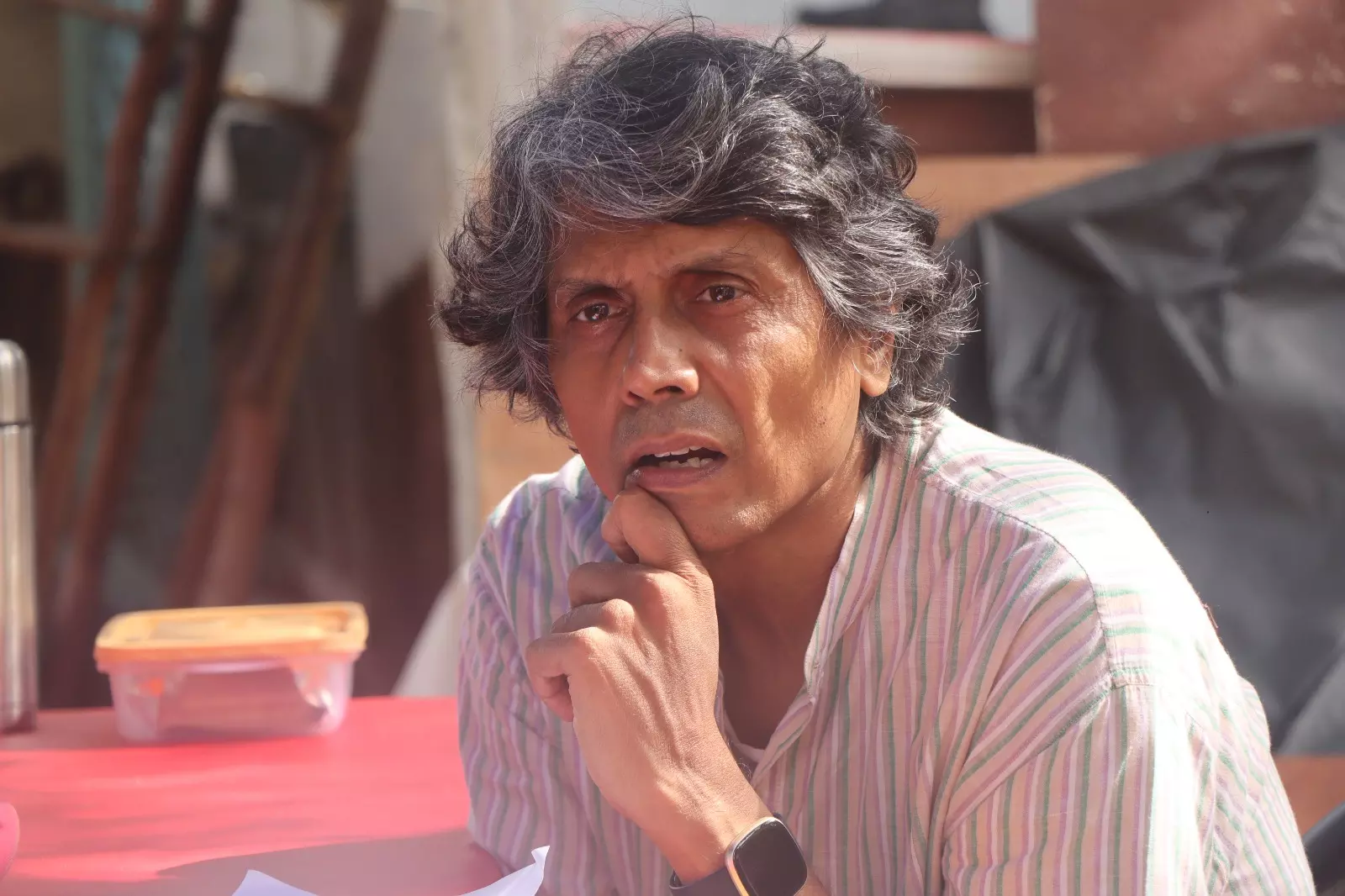
In an exclusive interview with Deccan Chronicle, filmmaker Nagesh Kukunoor talks about what went into the making of his latest project, The Hunt – The Rajiv Gandhi Assassination Case, which has earned praises from fans and critics alike.
Why did you decide to adapt Anirudhya Mitra’s book into a series?
I decided to adapt Anirudhya Mitra’s ‘90 Days’ book into a series because as a filmmaker, I don’t like to repeat myself, so I am constantly on the lookout for projects that push me out of my comfort zone. When Sameer Nair pitched the book to me, I was initially hesitant due to its political nature. However, he assured me that the series would focus on the thrilling police procedural aspects, rather than politics. After reading the book, I saw an opportunity to create a gripping thriller that explores the 90-day investigation into Rajiv Gandhi’s assassination, without delving into politics. The book’s thrilling narrative and police procedural elements drew me in, and I knew I had to bring it to life on screen.
How did you balance historical accuracy and dramatic storytelling in “The Hunt”?
As a filmmaker, I strive to find a balance between staying true to real events and creating an engaging narrative. To achieve this, I handled all characters with sensitivity and avoided sensationalising or over-dramatising events. Given that many of the individuals involved are still alive today, I was particularly mindful of ensuring accurate representation. Along with my co-writers, we took great care in crafting the story, but ultimately, it’s up to the audience to judge how well we have landed.
How do you think “The Hunt” contributes to the larger conversation about justice and accountability?
I believe “The Hunt” contributes to the conversation about justice and accountability by presenting a thrilling and engaging narrative, rather than taking a stance or promoting a specific agenda. Given the sensitive nature of the topic, I have deliberately avoided picking a side or imposing my own perspective. Instead, my goal is to entertain and engage the audience while staying true to the story. By doing so, I hope to spark a thoughtful discussion about the complexities of justice and accountability, without influencing the audience’s opinions or biases.
What was the most challenging part of depicting the investigation into Rajiv Gandhi’s assassination?
The challenge was bringing the actual scenes to life. When dramatising real events, it’s difficult to know exactly what was said or done in a particular moment. I had to imagine conversations and interactions between characters, while ensuring that I stayed true to their personalities and traits. It was a delicate balance, especially when portraying real individuals like Karthikeyan, one of the lead investigators. I had to be mindful of how they would speak and behave, and make sure that their portrayal was respectful and accurate.
What do you think is the current state of storytelling in Indian OTT platforms?
The Indian OTT space has undergone significant changes since its boom. Initially, it was a time of experimentation and pushing boundaries, allowing for a wide range of topics to be explored. However, as the market has consolidated, the space has become more restricted. The freedom to explore diverse topics has narrowed, and commercial considerations have become more prominent. While this shift may limit the scope of storytelling, it’s a natural evolution of the industry. As a filmmaker, I appreciate the opportunities the OTT space has provided, and I am adapting to the changing landscape.
Do you think the global accessibility of OTT platforms has influenced filmmakers’ approach to storytelling?
The exposure to diverse content globally has likely led to learnings for filmmakers. With the rise of OTT platforms, content creators can now reach a broader audience and draw inspiration from international storytelling. While I am unsure if other international filmmakers actively watch Indian content, I believe it’s possible. As a filmmaker, I have experienced the excitement of showcasing my work at film festivals, and now with OTT platforms, it’s easier to reach a global audience. Analysing data on international viewership could provide valuable insights into the global impact of our content.
As a filmmaker who’s worked in mainstream and independent cinema, do you see the lines between these two industries blurring or evolving?
The lines have definitely blurred over time, especially with younger filmmakers being influenced by international cinema and not being bound by traditional formats. However, the divide between bigger, commercial films and smaller, independent films still exists, particularly when it comes to theatrical releases. While independent films may struggle to get into theaters, the online space has provided new opportunities for showcasing diverse content. With streaming platforms, there’s a “small box for everyone”– a dedicated space for niche audiences to find and enjoy specific types of films. This has been a game-changer for independent cinema.
