S. Janaki's Timeless Malayalam Songs Continue to Echo Across Generations

Janaki made her Malayalam debut in 1957 with the song "Irul Moodukayo En Vaazhvil" from the film Minnunnathellam Ponnalla
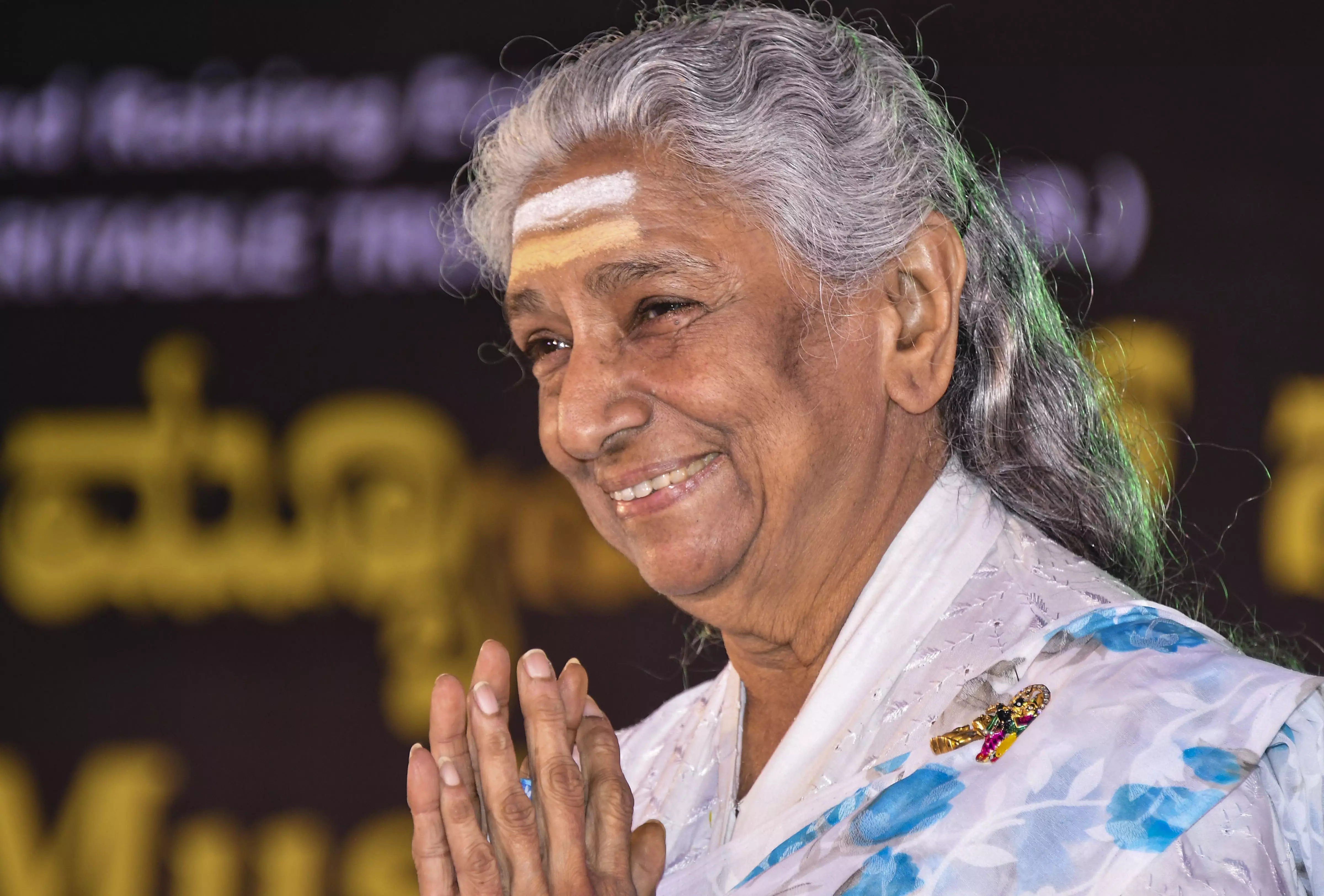
The passing of legendary playback singer S. Janaki marks the end of an extraordinary musical era. She leaves behind an unparalleled legacy of songs that have become an inseparable part of Malayalam cinema and the lives of generations of listeners.
Over a career spanning six decades, Janaki recorded an estimated 2,000 songs in Malayalam. With her remarkable versatility, flawless diction, and unmatched ability to convey emotion, she became one of the defining voices of Malayalam film music.
Janaki made her Malayalam debut in 1957 with the song "Irul Moodukayo En Vaazhvil" from the film Minnunnathellam Ponnalla. From then on, she lent her voice to countless evergreen songs, touching every shade of human emotion—from romance and devotion to longing, sorrow, and motherhood.
Music lovers fondly remember her unforgettable renditions of songs such as "Thenum Vayambum," "Malarkodi Pole," "Thumbi Vaa," "Sandhye," "Adiva Kaatte," "Naadha Nee Varum," "Kiliye Kiliye," "Kannu Kannum," and "Moham Kondu Njan." Her graceful voice and effortless emotional expression made each song timeless.
Janaki was equally admired for her impeccable pronunciation. Lyricists often recalled how she would carefully study every word and understand its meaning before stepping into the recording studio.
Especially, Janaki's lullabies earned her a special place in the hearts of Malayalis. Songs such as "Malarkodi Pole," "Unni Aarariro," and "Aararo Aariraro" remain cherished across generations.
Among her most celebrated Malayalam songs is "Thumbi Vaa" from Olangal composed by Ilaiyaraaja, widely regarded as her signature Malayalam melody.
Her duet "Thenum Vayambum" with K.J. Yesudas, composed by Raveendran, remains one of Malayalam cinema's most beloved romantic songs.
The list of Janaki's most popular Malayalam songs also include "Kiliye Kiliye" and "Ee Neelimathan Charuthayil" from Aa Raathri, "Kannu Kannum Thammil Thammil" from Angadi, "Sandhye Kanneeritheenthe Sandhye" from Madanolsavam, "Naadha Nee Varum" from Chamaram, "Swarna Mukile" from Ithu Njangalude Kadha, "Mizhiyoram" from Manjil Virinja Pookkal, "Aadiva Kaatte" from Koodevide and "Ponnurukum Pookkalam" from Koodevide.
