We Have More Freedom Than Ever, Yet We Are More Afraid of Being Ourselves

From cinema to theatre, Mahesh Bhatt says storytelling has always been about emotional truth. In this conversation, he speaks about hope, fear, music and the power of live performance.
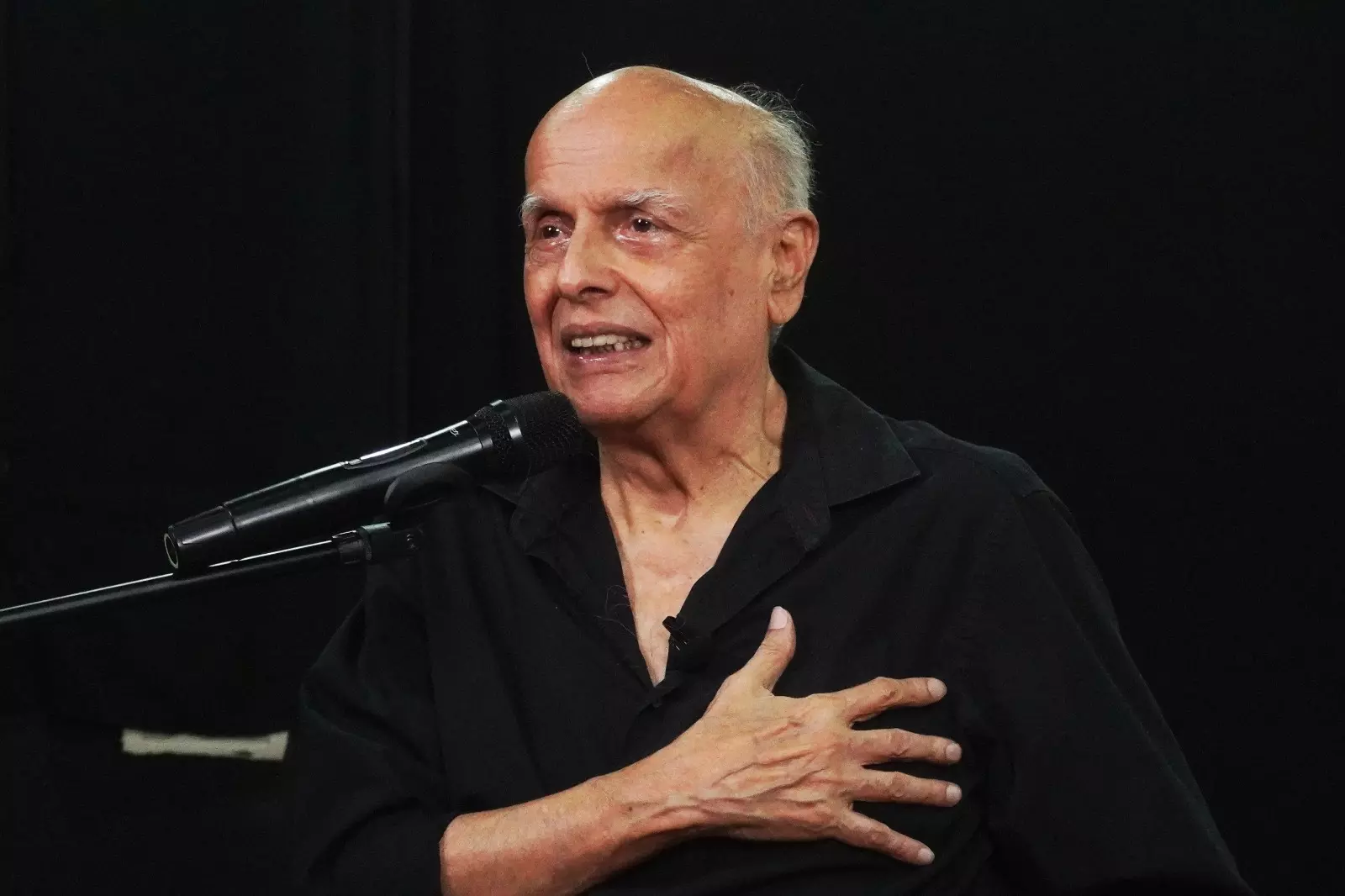
After decades of expressing yourself through cinema, what did theatre allow you to say that film perhaps never could?
I never really left the theatre. In many ways, everything I have done from Arth to Daddy, from Zakhm to Hamari Adhuri Kahani has always been theatre disguised as cinema. At this stage of my life, I find myself returning to the essentials. Theatre strips away the camouflage. There are no retakes, no editing, no technology to rescue you. There is only the actor, the audience, and the truth of the moment. Wo Subah Hum Hi Se Aayegi drew me because it wrestles with questions that have haunted me all my life how do you remain truthful in a world that rewards conformity, and how do you protect your inner voice from the noise outside?
Your stories have often explored emotional vulnerability do you think today's audiences are more willing to confront uncomfortable truths than they were when you began filmmaking?
We are living through a peculiar paradox. We have more freedom to speak than perhaps any generation before us, yet many of us have never been more afraid of being ourselves. Today, the battle is often not against censorship imposed from outside, but against the censorship we impose upon ourselves. That is the battle this play speaks to.
You have reunited with Anu Malik after creating memorable music in films. How does music function differently when it has to breathe live on stage rather than through the language of cinema?
Anu and I have travelled together through many seasons of life. What has endured is not merely a professional association but emotional memory. This play carries hope, longing, struggle, and renewal territories that music understands instinctively. The moment Anu connected with the material, I sensed that familiar spark. Some collaborations are planned; others simply feel destined. This one belongs to the latter category.
Much of your work has blurred the line between autobiography and fiction. Does Wo Subah Hum Hi Se Aayegi also emerge from a deeply personal place?
All writing is autobiography, whether the writer admits it or not. The events may be fictional, but the emotional truth never is. I have spent much of my life reconciling contradictions between success and emptiness, love and freedom, faith and doubt. Somewhere in that journey lies the emotional DNA of this play.
In an era dominated by short-form digital content, what makes you believe live theatre can still move people in ways that screens cannot?
Theatre offers something no technology can replicate presence. I remember watching audiences respond to Daddy on stage with Imran Zahid, where even the silence became more powerful than dialogue. That experience cannot be streamed. OTT has expanded storytelling, and I welcome that wholeheartedly, but theatre remains sacred because it reminds us that storytelling is ultimately about communion. For a few hours, strangers become witnesses to each other's humanity.
The title speaks of hope arriving through ordinary people. At this stage of your life, has your definition of courage changed from what it was in your younger years?
I hope audiences leave with hope but not the hope sold in slogans. I mean the deeper hope that survives disappointment, heartbreak, and disillusionment. If someone walks out feeling a little less afraid of being themselves, or finds the courage to speak a truth they have buried for years, then the play has succeeded. As Sahir Ludhianvi wrote, Wo Subah Kabhi To Aayegi. Our play simply adds that dawn will not arrive because history is kind. It will arrive because ordinary men and women find the courage to become who they truly are. Wo Subah Hum Hi Se Aayegi.
