Controversies Surrounding Parasakthi Ignite Wider Debate

Even before its theatrical release, Parasakthi ran into trouble with the Central Board of Film Certification (CBFC) directing multiple cuts and modifications to dialogues and visuals deemed politically provocative
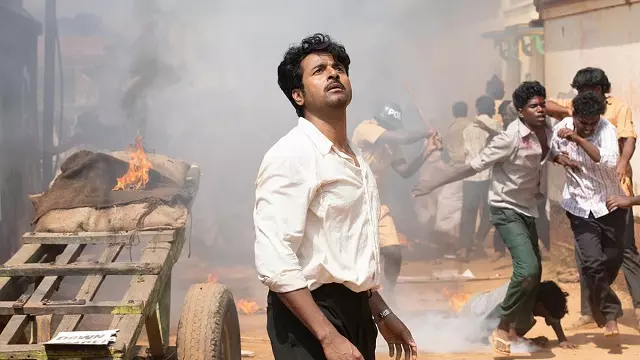
CHENNAI: The recently released Tamil and Telugu film Parasakthi has found itself at the centre of multiple controversies, triggering intense debates across political, cultural and cinematic circles. While the film revisits a politically sensitive chapter of Tamil Nadu’s history, the disputes surrounding it have once again raised questions about censorship, historical accuracy, political messaging and the increasingly commercial motivations driving big-ticket releases.
Even before its theatrical release, Parasakthi ran into trouble with the Central Board of Film Certification (CBFC) directing multiple cuts and modifications to dialogues and visuals deemed politically provocative. Several dialogues were either guillotined or muted, and scenes with reference to sensitive historical events were modified, sparking criticism from filmmakers and free-speech advocates who accused the Censor Board of excessive interference. This episode has renewed calls for greater transparency and reform in the certification process.
Following its release, the film attracted political criticism over what detractors described as distortions of historical events. Certain political groups alleged that the narrative took creative liberties that could mislead audiences about real incidents and personalities. Demands were raised for clarifications, corrections and public accountability from the filmmakers, with critics arguing that cinema dealing with history carries a responsibility to remain anchored in facts.
Beyond censorship and political objections, Parasakthi has also become a flashpoint in a broader debate about the commercial strategies adopted by contemporary filmmakers. Critics point out that many directors and producers deliberately generate controversy and hype to maximise short-term revenue, especially by timing releases during long holiday weekends. The strategy, they argue, is aimed at ensuring packed theatres in the opening days, allowing producers to “make a killing” at the box office before public scrutiny of content and accuracy gains momentum.
According to industry observers, such films are often designed to recover investments within the first week of release, making factual rigour secondary to sensationalism and emotional appeal. Once the initial box-office window closes, controversies over inaccuracies or misrepresentation tend to have little impact on financial outcomes. This business model, critics say, incentivises superficial engagement with serious historical and political themes, reducing complex realities to cinematic shortcuts.
The controversy also spilled onto social media, where the film faced both sharp criticism and aggressive defence from pro-DMK handles. While some viewers accused the makers of trivialising a significant historical movement, others praised the film for reigniting public discussion. Misinformation related to overseas screenings and box-office performance further muddied the discourse, prompting clarifications from distributors.
Speculation about large-scale casualties was attributed to misreporting and out-of-context references to weaponry that was not actually used. An official inquiry into the firing was ordered by Army Headquarters at the time.
Taken together, the debates surrounding Parasakthi underscore a larger concern about the intersection of cinema, commerce, and public memory. As films increasingly shape political and historical understanding, critics argue that accountability cannot be sacrificed at the altar of opening-week profits. The controversy has once again highlighted the need for a more responsible cinematic approach — one that balances creative freedom, historical integrity, and commercial success.
Observers have since expressed concern that inaccurate or exaggerated representations of the incident, particularly in popular media, risk distorting public understanding of historical events that were already complex and sensitive in nature.
As Parasakthi continues its theatrical run, the questions it has raised may ultimately outlast its box-office performance, forcing a re-examination of how cinema engages with history in an era driven by hype and rapid monetisation.
