Is The New-age Complex Portrayal Of Villains Stealing Spotlight From Heroes

25 Dec 2025 5:32 PM IST25 Dec 2025 5:32 PM IST
The new-age villains are eventually stealing the spotlight from the heroes.
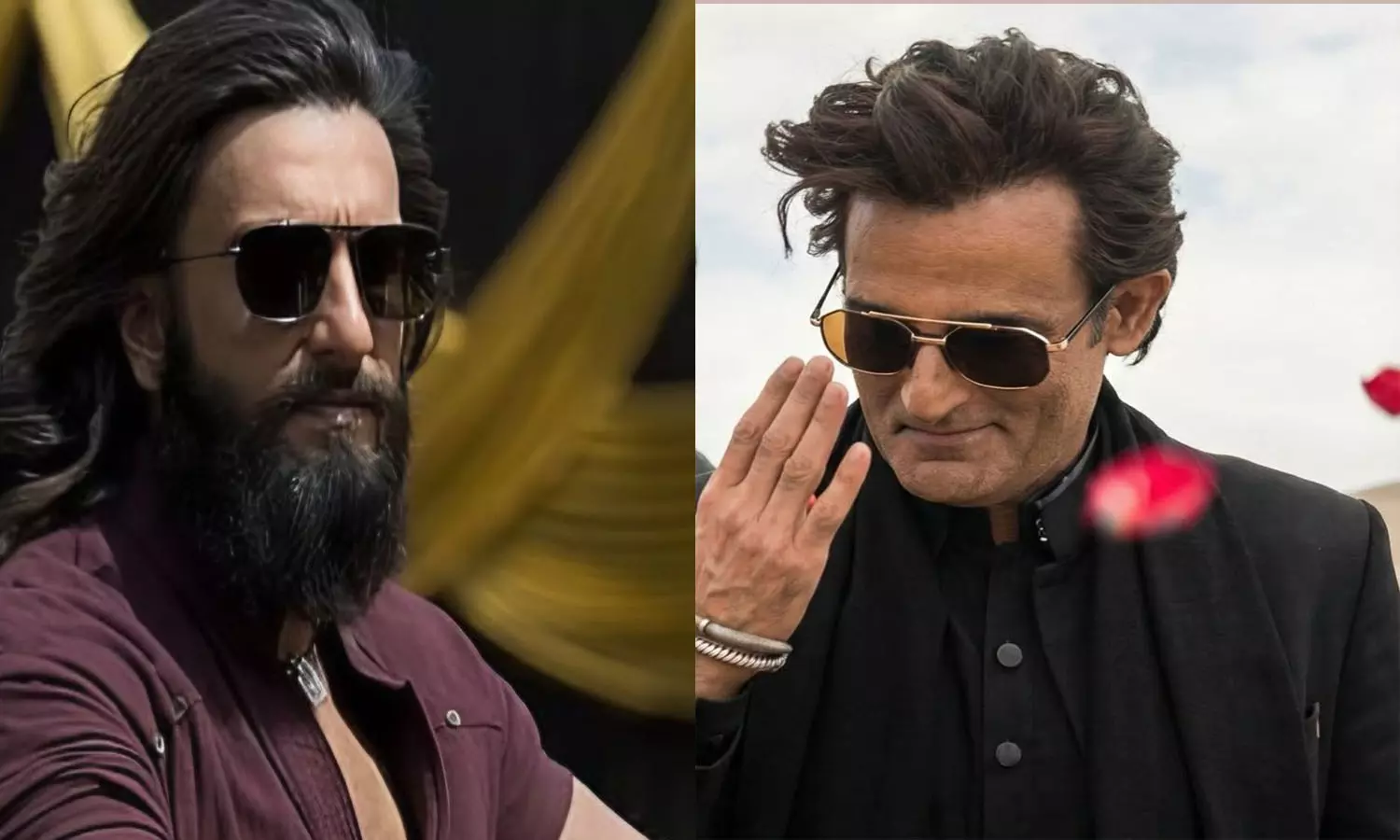
Ranveer Singh, Akshaye Khanna (Image Source: X)
Imagine watching the film Dhurandhar in the theatre and hearing loud cheers and hooting, not for the lead actor, not for the storyline or the actress, but for the villain, Rehman Dakait effortlessly played by Akshaye Khanna! The new-age villains are eventually stealing the spotlight from the heroes.
Recently released Dhurandhar, directed by Aditya Dhar, has been ruling over the audiences, and the prime reason is Rehman Dakait, aka Akshaye Khanna. As we see, the character is relentlessly violent and gruesome, but carries its own swag and story.
Generally, the format of any movie comprises three prime characters: lead actor or hero, lead actress or the heroine and an antagonist or villain. An antagonist is usually deployed to enhance the hero’s narrative and make him look good through the villain’s negativity. This ‘as simple as that’ concept of films and narrations is taking a back seat now, with the introduction of complex and intriguing antagonists gaining popularity in filmmaking these days.
From Abrar (played by Bobby Deol) in Animal to Rehman Dakait in Dhurandhar, the antagonists are not only a mere tool of negativity, waiting to be beaten up by the hero. Rather, they are portrayed to the audience with an evident aura, complex backgrounds, conflicts and diplomacy, which is far from the traditional portrayals of the villains earlier.
Rehman Dakait’s character in Dhurandhar is depicted as an underworld don from Pakistan, representing Balochistan, where he belongs. The initial chapters establish Rehman’s other side, depicting him as a bereaving and loving father, husband, politician and a fighter.
Simultaneously, his counterpart as a gangster producing illegal weapons, smuggling and other brutal crimes is shown, audiences now find his alter character and swag more appealing. The entry song ‘FA9LA’ and Akshaye’s trademark step acted like a cherry on top. And the most prominent reasons would be Akshaye’s perfect amalgamation of style and narration in the acting. As a highly experienced actor, undoubtedly Akshaye has set the bar quite high.
Likewise, in Sandeep Reddy Vanga’s movie Animal, Abrar's role and his entry song Jamaal Kudu received more popularity, setting a new admiration for glorified villains.
Recently, the action-thriller series, Family Man Season 3, introduced Rukma as the antagonist, subtly played by Jaideep Ahlawat, where he is shown to be of rather calm demeanour instead.
To conclude, the stunning acting skills of the villains are an evident reason for their popularity where the clever positioning also played a crucial role. In contemporary narratives, the distinction between traditional protagonistic and antagonistic actions has become increasingly blurred.
In the last chapter of the movie, titled ‘Et Tu Brutus’, referring to William Shakespeare’s iconic statement by Julius Caesar, the director wove the classic plot of betrayal in the thriller drama.
Similarly, Rehman was deceived by Hamza (brilliantly played by Ranveer Singh), whom he fully confided in. Even after Rehman’s death, in the hospital, he is shown sitting on the stretcher and lighting a cigar, affecting Hamza’s conscience of his betrayal. The actions of both Rehman Dakait and Hamza Ali cannot be clearly distinguished solely based on their intentions.
This story is authored by S. Krishna Kumari Patro, an intern at Deccan Chronicle.
( Source : Deccan Chronicle )

Next Story