Irumudi Shows Tollywood the Power of Rooted Cinema

He believes filmmakers from other industries have successfully demonstrated that staying connected to one’s roots does not restrict a film’s reach.
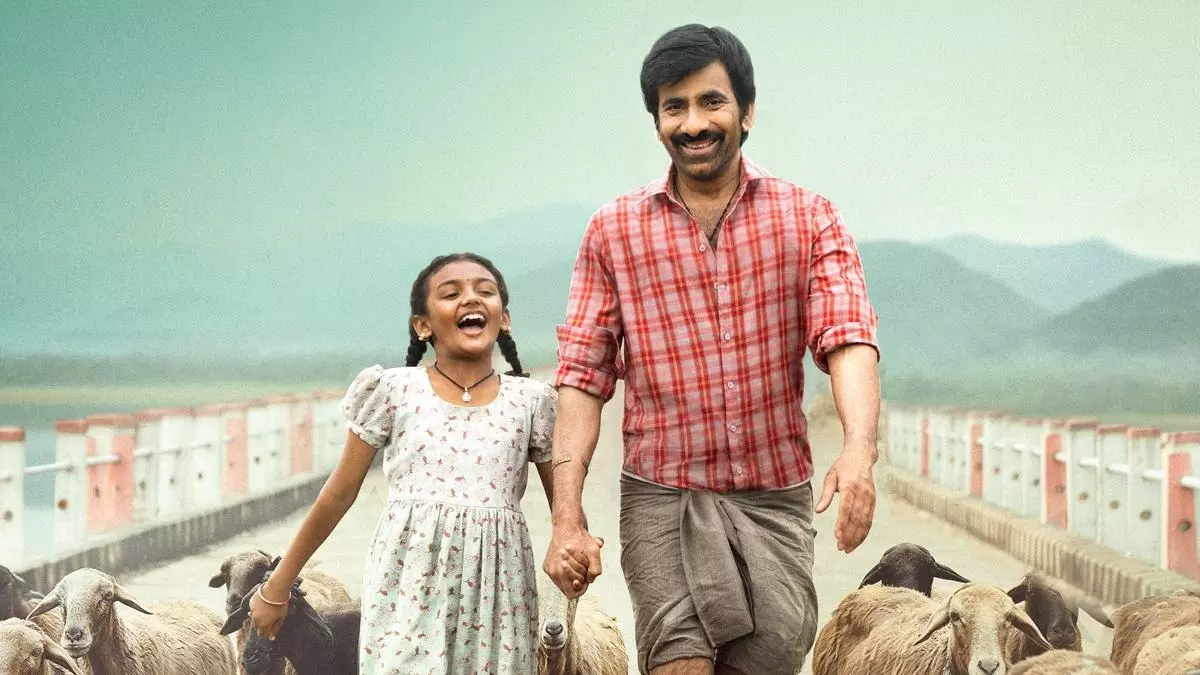
The massive success of Irumudi has once again highlighted the importance of rooted storytelling, prompting several industry veterans to urge Telugu stars and filmmakers to rethink their approach to pan-India cinema.
A leading producer believes the success of Irumudi offers an important lesson for Tollywood. He feels Telugu stars and directors should focus on stories that are rooted in local culture, emotions and characters rather than constantly attempting to make films with a so-called universal appeal.
“Telugu audiences are shrewd and they patronise films that have an emotional core and a logical connect,” he says. “Irumudi was about a father-daughter relationship set in a small village, with the story unfolding around that world. Ravi Teja’s performance and the devotional touch worked in its favour. The film was made on a budget of around Rs 50 crore and has crossed Rs 200 crore gross. It is expected to touch Rs 300 crore in the coming days.”
According to him, Telugu superstars and emerging stars should stop chasing universal themes at the expense of regional identity. “The Raja Saab and Toxic could not win audience appreciation despite being promoted as worldwide films. Even Peddi and Devara did not make a major impact in the Hindi heartland. Even today, there isn’t a situation where the Hindi audience is eagerly waiting for every Telugu release. A few films have worked, but that doesn’t mean every Telugu film will automatically have a wide market.”
He believes the industry needs to move away from the obsession with conquering Bollywood. “Stars should stop daydreaming about conquering Bollywood, and directors should come up with budgets that suit regional cinema. If a regional film can be made for Rs 50 crore, but it is designed as a universal film and the budget shoots up to Rs 200 crore because of Bollywood artists, huge sets and expensive action episodes, it can put producers under tremendous pressure and ultimately hurt the Telugu film industry,” he points out.
Producer Ravi Shankar Yellamanchili had recently made a similar observation while discussing some of the successful films. He says the recent hits are different from each other in terms of content, treatment and storytelling.
“Films like Maa Inti Bangaram, Lenin, Chennai Love Story and Irumudi have shown that Telugu audiences are watchful. They are picking films that are different in form, narration and making, and turning them into hits. Our job is to deliver unique content and we can also put ticket rates under check," he says.
The growing pan-India ambitions of even young heroes such as Vijay Deverakonda, Nikhil Siddhartha and Sharwanand have also raised concerns among producers, particularly because of the impact on budgets.
“Telugu stars should first make films that connect with Telugu audiences within controlled budgets. If a film works here, it can be released in Hindi and other languages a week or two later. There is no need to put producers at risk with simultaneous releases and inflated budgets,” the producer argues.
He points out that some producers have already suffered massive losses because of the pan-India strategy. “Some producers have reportedly lost nearly Rs 600 crore collectively in this pan-India dream. Producers in Bollywood and Kollywood have reduced their investments and the Telugu industry is still putting in huge amounts of money. We need to protect our producers,” he says.
Producer Lagapati Sridhar believes Malayalam cinema offers a good example of how regional stories can travel beyond their original markets.
“Malayalam cinema is one good example because audiences connect with its rooted characters, stories and culture. Telugu filmmakers are slowly adapting to that approach, and Irumudi is a good example,” he says. He adds that Tamil filmmakers have also continued to explore rooted subjects.
“Telugu cinema has its own culture, characters, stories, struggles and emotions. The lives and emotions of Telugu people can be portrayed effectively, and our directors need to look within rather than constantly looking outside,” he says.
He believes filmmakers from other industries have successfully demonstrated that staying connected to one’s roots does not restrict a film’s reach.
“Even French and Korean filmmakers primarily make films for their own audiences and only then think about taking them outside. We should stick to our culture, roots and slang and take Telugu cinema to the level of Malayalam and Tamil cinema,” he adds.
"For an industry increasingly focused on scale, expensive production values and pan-India positioning, it may be a reminder that strong local emotions and authentic storytelling can still create a much bigger connection,' he concludes.
