India’s ₹10,000 Cr Music Mistake: Why Brands and Creators Must Wake Up to Licensing Now

For artists and rights holders, this translates into nearly ₹900 crore in unpaid royalties every year — revenue that could fuel fresh creativity and support livelihoods.
India’s digital content economy is in the midst of a phenomenal surge. With over 80,000 brands and 550,000 creators generating over a million branded content pieces each month, the country’s creative output is unmatched in scale. Yet beneath this dynamism lies a critical flaw: an overwhelming majority of this content is soundtracked by unlicensed music. It is estimated that nearly 87% of branded digital content uses music without proper authorization, amounting to an annual loss of ₹8,000–10,000 crore to the music industry. For artists and rights holders, this translates into nearly ₹900 crore in unpaid royalties every year — revenue that could fuel fresh creativity and support livelihoods.
This isn’t just a technical or legal oversight. It reflects a deeply entrenched culture where music is often treated as a free commodity, rather than as a vital, rights-protected component of storytelling. From influencer reels to catchy chart-toppers to brand videos backed, unlicensed music has become the norm. The irony? While music drives engagement, emotion, and memorability in content, the creators behind it are systematically denied their rightful share.
The roots of this problem are multifaceted. Traditional licensing processes — designed for large-scale productions like films and television are often complex, expensive, and are not well suited for the digital-first world of small brands and independent creators. Meanwhile, the ease of sourcing tracks from platforms intended for personal use has blurred the lines between private consumption and commercial application. In many cases, creators and brands simply aren’t aware of the legal obligations attached to music use — but as the ecosystem matures, this defense is becoming increasingly indefensible.
Recent legal actions in India have made it clear that rights holders are now prepared to assert their claims in court. Copyright infringement is no longer a low-risk move; penalties can range from ₹2 lakh to ₹5 crore per offence under the Copyright Act. Beyond the financial hit, brands risk reputational damage, campaign disruptions from takedowns on major platforms, and loss of consumer trust — particularly in an era where authenticity and ethical practices are under greater scrutiny than ever before.
At the same time, this unchecked infringement is holding back the growth of India’s music sector. Despite the country’s massive appetite for music, the recorded music market remains modest, valued at around ₹3,500 crore. Per-stream payouts on platforms are reducing to as low as ₹0.01,— which is nowhere near sufficient to sustain most artists or rights owners. The billions lost to unlicensed use could, if recovered, completely change the industry — helping fund new music, support independent artists, and build a stronger future for everyone.
The way forward requires a collective shift in perspective. Music is not an afterthought or a “free commodity” — it is intellectual property that underpins brand storytelling, enhances audience connection, and deserves fair compensation. Fortunately, the industry is seeing the rise of micro- licensing solutions that offer pre-cleared music at accessible rates, specifically designed for digital-first content creators. These models remove the barriers of cost and complexity, enabling legal compliance while ensuring that creators and rights holders are compensated transparently.
But technology alone won’t solve the problem. What’s needed is an ecosystem-wide commitment to:
● Educating brands, creators, and consumers about the value of music rights and the consequences of infringement.
● Simplifying licensing frameworks so that legal music use is practical and affordable for all stakeholders, including small businesses and independent creators.
● Enforcing copyright law effectively, ensuring that infringements carry real consequences and act as a deterrent.
● Promoting transparency in royalty flows, so that rights holders can see and claim their fair share.
● Fostering consumer willingness to pay for licensed music and legitimate access through subscriptions and legal platforms.
India’s music industry is on a strong growth path, with the potential to reach ₹15,000–₹20,000 crore in the coming years. If brands and creators want to take advantage of this opportunity, they need to leave behind the notion that music should be free for their use. Licensing music is a legal formalism and a strategic choice to protect the integrity of the creation and the credibility of the brand and the industry.
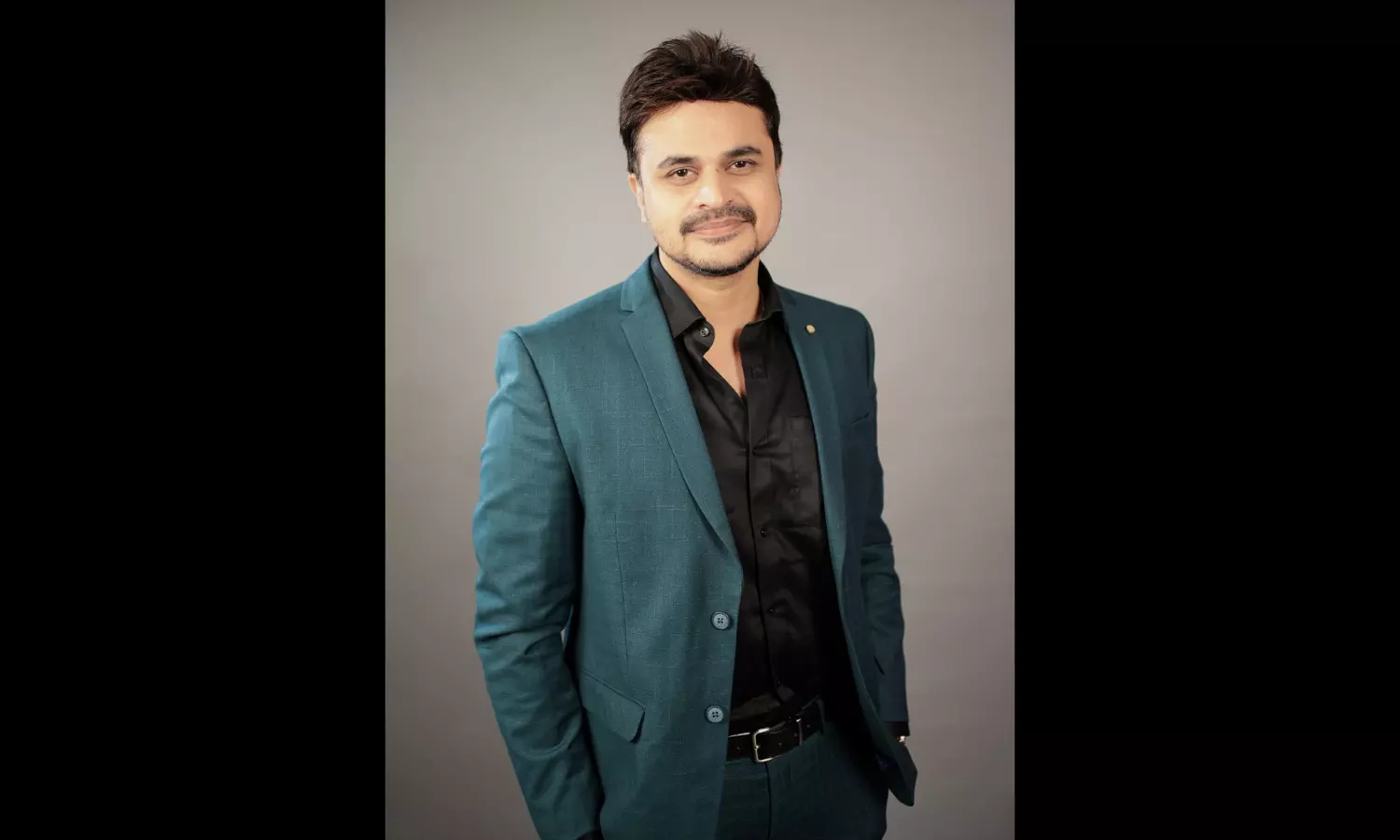
The article is authored by Gaurav Dagaonkar, Co-Founder & CEO, Hoopr
