Sid Sriram: Don’t Want to Chase Trends, Want to Create Something Timeless

My roots keep me grounded even as my music travels the world, says singer Sid Sriram, who believes that collaboration pushes him to grow as an artist and as a human being.
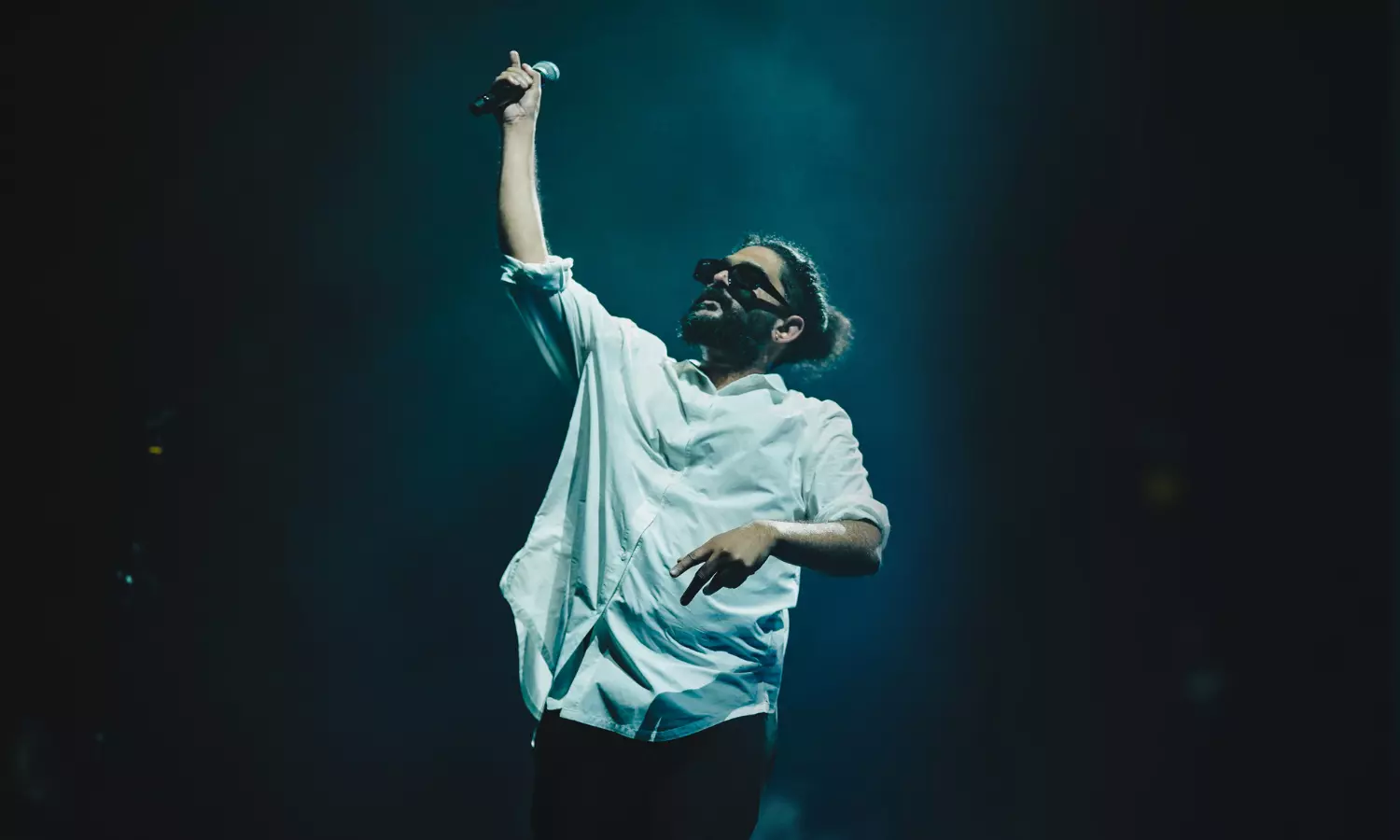
Music is the truest extension of who I am, says singer–composer Sid Sriram in an exclusive conversation with Deccan Chronicle as he opens up about his creative journey, what fuels his music, and why staying rooted matters to him.
How do you think your California upbringing and Indian roots influence your unique sound?
I think the biggest factor was my mom. She started her music school in California back in 1992, and I was just two years old. We had moved from Chennai only a year before I was born, so in a way, I grew up in between two worlds. On one hand, I was in this suburb of Northern California where Western music was everywhere—on the radio, on TV, all around me. On the other hand, inside our home, there was this oasis of Carnatic music, with my mom teaching students every day.
That created a safe haven for me. Carnatic music was not just something I learned; it became the core of who I was. Growing up, I would completely immerse myself in that form at home while absorbing Western influences outside. That mix shaped the way I listened to music and eventually how I created it. Over time, I picked up other genres too—R&B, hip-hop, electronic—but the grounding in Carnatic music stayed. It gave me a deep value system and love for that tradition, which I have carried through everything I have done in my career.
What’s the most interesting cultural clash you have experienced in your music journey?
I have honestly never seen it as a clash. For me, Carnatic music has always been home—it’s the Sun. Everything else, like R&B, hip hop, soul, or electronic, feels like planets orbiting around it.
When I came across new genres, I didn’t feel a conflict. Instead, I would immediately connect them back to Carnatic concepts—ragam, swaram, rhythmic constructs. I would listen to a soul track or an R&B line and think, “Oh, this reminds me of that at home.” It became a framework through which I understood everything else. So from a very young age, it all started to intermingle in my head. Now my vocabulary feels like a kaleidoscope—many colors and influences, but with a steady Carnatic foundation underneath.
Your upcoming tour is titled ‘The Homecoming’. What does coming home mean to you, and how do you plan to capture the essence of your roots in this concert?
The idea of “home” has changed for me over time. When I was younger, home meant Fremont, California, the house I grew up in. But as my career took off in India, especially in Chennai, something shifted. The moment I landed in India, I would feel this involuntary exhale—like my body relaxed in a way it didn’t anywhere else.
So now, India feels like home. It’s where I connect with the deepest parts of myself. This tour is really a celebration of that—celebrating the embrace I have received from fans across the country and reflecting on this 13-year journey since my first playback song.
You are known for blending classical and contemporary music. When mixing different genres, what’s the biggest challenge you face?
Back in 2008, when I joined Berklee in Boston, I first started experimenting—writing songs with R&B chords and layering Carnatic alaps on top. The early attempts were raw, sometimes not very good. The challenge was refining them. There was no real blueprint to follow, so I would hit roadblocks and question myself—wonder if it even made sense to try.
But I kept going. It took years of trial and error, pushing through doubts, and being curious. Over the last four or five years, things have shifted. My vocabulary has grown, and now the translation from idea to execution feels natural, almost effortless. What was once a challenge is now second nature.
What goes into curating a multilingual setlist, and how do you choose which songs to include in your performances?
At the most basic level, I start with the hits—the songs I know fans want to hear. But the real work is in shaping those into a three-hour journey. Our shows run long, and I think of them like art pieces broken into four or five sections.
The first section feels like dawn. The next might feel like launching into space. Another might rest in a quiet, meditative place. Each part has a different emotional focus. I am constantly rearranging songs for live performance, reinterpreting them so the arc feels fresh and transformative.
It’s about sculpting momentum, keeping the audience engaged, and making sure when people give me three hours of their attention—which is rare in today’s world—I give them an experience that truly takes them somewhere.
That apart and fan requests, are there songs you must sing in every concert?
Definitely. In Hyderabad, for example, 90% of the setlist is Telugu because of the audience. Songs like ‘Srivalli’, ‘Samajavaragamana’, ‘Neeli Neeli Aakasam’—those are non-negotiable.
There are personal favorites too, like ‘Adiga Adiga’, which I love pouring myself into every time. And then sometimes I like surprising the audience with reinterpretations. Last time in Hyderabad, we did ‘Matarani Mounam Idi’ by Raja sir in a new style. No one expected it, and the reaction was magical.
Can you share a memorable moment or experience from your previous concerts that still gives you goosebumps?
The last Hyderabad show stands out. When we performed ‘Adiga Adiga’, the entire audience started singing along. Without being told, they all put their lights up. With the lasers and visuals around, it felt like this spontaneous surge of energy took over the space.
Another memory is my very first show in Hyderabad. I began ‘Emai Poyave’ off stage, singing the opening notes, and as I walked in, the crowd just erupted. Those are moments you can’t forget.
How do you prepare for a concert, and what’s the most important thing you focus on when performing live?
In the days leading up, it’s all about rehearsals with my band. Even if we know the songs well, we don’t take anything for granted. Live shows are about momentum, and even a small pause or gap can break that connection with the audience.
I have been with my band for nearly a decade, and our camaraderie is as important as the music. On show day, I like to stay quiet, run through the set in my head, say a prayer, listen to one specific song, and then just keep the vibe light with the band before stepping on stage. Even now, after so many shows, I still get butterflies. But I let that nervous energy fuel me.
Do you go back to watching your concerts or maybe watch Instagram reels fans have shared after your concert?
Yes, I do. On stage, my mind is blank—I am hyper-present and not judging anything. So I don’t realise how it all looks from outside. Watching fan videos later is a joy because you see the show through their eyes.
That said, I have made a rule for myself recently—don’t spend the night after a show scrolling through reels. Instead, relax, wind down, and check them the next day. That way I can enjoy them with a fresh mind.
Do you react to fans comments sometimes on social media?
Sometimes, yes, but not much. These days I have pulled back from spending time online. I still post, but I delete the app right after and reinstall only when I need to post again. It helps keep my mind clear, my screen time low, and my focus on real life.
What inspires you? If you are not looking into social media or not practicing music, which in itself is meditation for you. How do you unwind?
Music is always there—I practice daily, make beats, write, or just experiment for fun. But outside of that, I unwind with movies, books, spending time with family, or just walking around new cities and exploring cafés.
I think it’s important to stay grounded. People may put musicians on pedestals, but at the end of the day, I am a normal human being who enjoys everyday things. Those simple moments keep me balanced.
Tell us about your food habits. Are there things you don’t indulge in to keep your voice intact?
Yes, I avoid very spicy and fried foods because they cause acidity, which is bad for the voice. I also stay away from too much sugar. But otherwise, I am pretty open—I don’t mind cold water or ice cream. Moderation is key.
Rapid Fire
What’s your favorite song to perform live?
‘Samajavaragamana’. It usually comes towards the end of the set, and every time the opening line begins, the crowd just explodes.
Most inspiring music genre apart from your own?
Western classical—recently, I have been listening a lot to Chopin and Vivaldi.
What do you think of K-pop?
I like it. I admire how they have packaged their music and built such a strong fan base. I once saw an eight-year-old sing an entire K-pop song in Korean with perfect pronunciation—it blew my mind how far the music has travelled.
Favorite collaboration so far?
Working with A.R. Rahman sir has been incredible. And recently, I had a track with Nas, one of my favorite rappers growing up, produced by Steel Banglez. That was surreal.
Best advice for aspiring musicians?
Dig deep into yourself. Find what makes you unique and embrace it fully. Don’t chase trends. The world needs as many different perspectives as possible right now.
Hidden talent?
I do abstract sketches. I started back in 2013, and over the years they have improved. It’s something I turn to when stressed.
Dream collaborations?
I would love to work with Kendrick Lamar and Diljit Dosanjh at some point.
How does it feel when you hear your music in a club far away from home?
It’s always affirming. I am grateful my people embraced me first, but hearing the songs travel to new countries and cultures is a reminder of music’s universal power.
Watch the interview here:
