Dolby VP APAC Ashim Mathur on India’s Love for Immersive Cinema

With the launch of Allu Cinemas in Kokapet on March 12, Hyderabad will host India’s largest Dolby Cinema screen, promising what Dolby calls “one of the best cinematic experiences people can ever have”
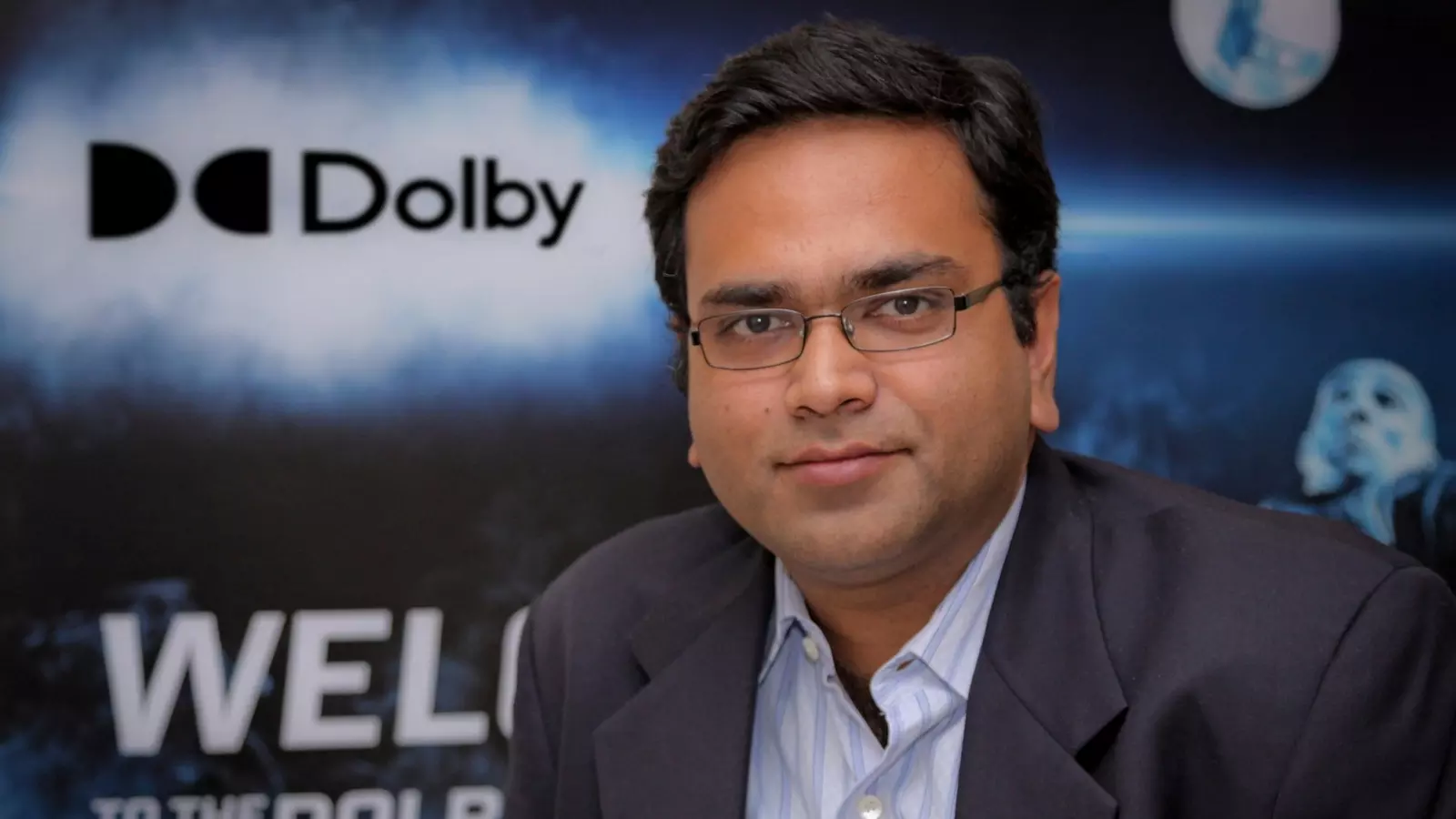
Hyderabad’s moviegoing landscape is set for a dramatic upgrade with the launch of Allu Cinemas in Kokapet on March 12, featuring what is being described as India’s largest Dolby Cinema screen, stretching a massive 75 feet wide. The screen is reportedly the second largest Dolby Cinema screen in the world and the biggest in Asia, marking a significant milestone for immersive movie experiences in the country.
For Ashim Mathur, Vice President, Marketing, Asia Pacific at Dolby Laboratories, the launch represents a landmark moment for the brand and the city alike.
“I think today is a landmark day for us because we are getting Dolby Cinema in the city of Hyderabad and this cannot get better and bigger than the partners we have who are launching and bringing it to the market,” Mathur said during a conversation about the development. “So, I think that makes this whole thing very, very special.”
He believes the scale of the new theatre experience will resonate strongly with audiences in the city. “It makes this really enormous for the people of Hyderabad to get probably one of the best cinematic experiences they can ever have and I think this is going to make a difference for the people of Hyderabad,” he added.
At the core of Dolby’s approach, Mathur explained, is a philosophy centred around preserving the vision of content creators. “The core philosophy of Dolby has always been we work very closely with content creators. Our promise to them is that the way the content creator envisions the content to be, we make sure that it is transported to the consumer in an uncompromised way,” he said.
According to him, this commitment extends across creative disciplines, from filmmakers to music composers and sound engineers. “If I am a music composer or if I am a singer, the way I created my song, it should really get to the consumer in the best way. And that’s how you bring the artist closer to the fan and the fan closer to the artist,” he said.
Technologies such as Dolby Atmos and Dolby Vision, he noted, are not merely technical upgrades but storytelling tools. “We feel that there are technologies, but we actually use them as tools to really tell the story in a better, effective way,” Mathur explained.
He described how sound and visuals together enhance narrative depth. “When you talk of Dolby Atmos, sound is used in a 360-degree space and you can actually use sound as an object and place them the way naturally it should be available. That gives freedom to the content creator to make sure that they use sound to tell the stories better.”
Similarly, the visual technology enhances cinematic expression. “If you look at Dolby Vision, the colours, the contrast and the depth of what it gives just helps the storyteller to tell their content in a better way possible,” he said. “When both of these combine from an audiovisual perspective, that’s the full glory of experience you can get.”
Mathur attributes the growing adoption of Dolby technology in India to the country’s deep rooted passion for cinema. “India as a country is so passionate about cinema. When we get an opportunity to really watch the movie or content in the best way possible, we just go for it.”
The ecosystem supporting that experience includes filmmakers, technicians and audiences alike. “We get a lot of support from the industry, whether it is the content creators, the directors, the sound designers, the cinematographers, the recording engineers, all of them in the studios, the whole infrastructure which actually equip and make sure that the content is created,” he said.
At the same time, audiences are increasingly aware of the difference immersive technologies make. “When they understand that this content is really available in the best way possible and they can really get the immersive, realistic experience, the Dolby Atmos and Dolby Vision and the ultra vivid colours of Dolby Vision, I think that’s what gives both sides a win-win situation that you create in the best way possible and you experience in the best way possible,” Mathur said.
Beyond cinema halls, Dolby’s strategy also focuses on reaching younger audiences through devices they use daily. “India is a mobile first country. Lots and lots of smartphones and smart devices are being sold and consumers, especially youngsters, rely on their social media for various things.”
Many of those devices already integrate Dolby technologies. “If you look at the smartphones today, majority of the smartphones come with our technology. They come with Dolby Vision or with Dolby Atmos,” he explained.
What excites the company most, he added, is the emerging ecosystem of user generated content. “A lot of these devices today are also capable of recording and capturing content in Dolby Vision. Consumers and people, especially youngsters, are able to create content in Dolby and share content in Dolby as well with all the streaming services,” he said.
As more devices and platforms support these capabilities, Mathur believes the ecosystem will expand further. “The devices are ready. Devices are really coming. There are a number of devices already available for these captures, especially in Dolby Vision. When that happens, this whole ecosystem is going to drive a lot of content creators to make sure that whatever we are recording for fun or family or even professional purposes is really done in the best way possible.”
With the arrival of the record breaking Dolby Cinema screen at Allu Cinemas, Hyderabad now joins the global map of cities offering the most advanced cinematic experiences, an evolution that Mathur believes will only deepen audiences’ connection with stories on screen.
