Hollywood Producer Gaurang Bhat Urges Return To Meaningful Storytelling

17 April 2025 6:41 PM IST17 April 2025 6:41 PM IST
Gaurang Bhat documentary Sparsh – Leprosy Mission has earned international recognition for its powerful storytelling
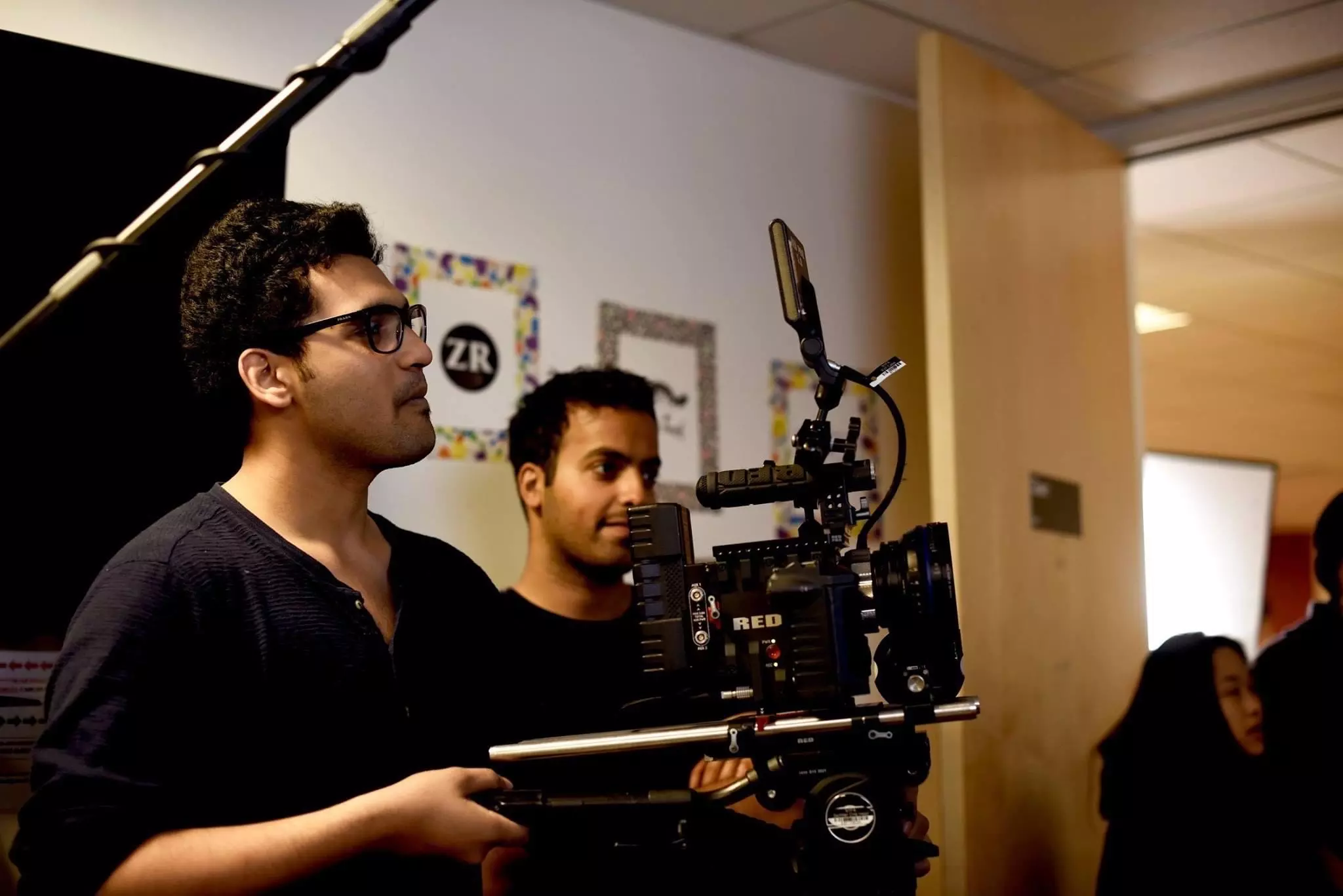
Gaurang Bhat during a shoot (Photo by arrangement)
Based in Los Angeles, Gaurang Bhat is a producer at Picture Production Company (PPC) where he crafts compelling trailers and TV spots for major Hollywood films like Killers of the Flower Moon, Gladiator 2, Sonic the Hedgehog 3, and more. He is also a filmmaker and cinematographer, his documentary Sparsh – Leprosy Mission has earned international recognition for its powerful storytelling.
In an interview with Deccan Chronicle, he shares his journey, his take on independent versus big-budget cinema, and his thoughts on films that reflect the lives of the common man and what kind of movies he wants to make in future.
Dive into the full interview below:
What inspired you to pursue a career in film production?
Honestly, I was more into gaming at first. I went to Whistling Woods International to study, thinking I’d go into gaming. There, we worked on a lot of animation projects, which made me more interested in filmmaking. That’s when I decided to come to the US to pursue a career in production.
Can you share a little about your journey from India to Los Angeles?
It’s been a tough journey, but also rewarding. I started as a film student, then worked on commercials, feature films, and TV shows. Now, I work at a marketing agency and production company, 'Picture Production Company,' creating campaigns for studios like Universal, Disney Plus, and Paramount. It’s been quite a journey, and I’m glad I was in the right place at the right time — that little bit of luck really helped.
How did you land your role at the picture production company?
I’ve worked on many shows, commercials, and some feature films as an independent producer. With that experience of mine, I was able to get this role.
Honestly, I was more into gaming at first. I went to Whistling Woods International to study, thinking I’d go into gaming. There, we worked on a lot of animation projects, which made me more interested in filmmaking. That’s when I decided to come to the US to pursue a career in production.
Can you share a little about your journey from India to Los Angeles?
It’s been a tough journey, but also rewarding. I started as a film student, then worked on commercials, feature films, and TV shows. Now, I work at a marketing agency and production company, 'Picture Production Company,' creating campaigns for studios like Universal, Disney Plus, and Paramount. It’s been quite a journey, and I’m glad I was in the right place at the right time — that little bit of luck really helped.
How did you land your role at the picture production company?
I’ve worked on many shows, commercials, and some feature films as an independent producer. With that experience of mine, I was able to get this role.
As an Indian producer working in Hollywood, what challenges have you faced? How did you overcome them?
It was difficult at first to adjust to a completely new country. But it's all about the people you meet, connecting with others. I think building a good support system helped me a lot. The right people around you make a big difference.
You’ve worked on trailers for major films like Killers of the Flower Moon, Mission Impossible, Kung Fu Panda. What goes into crafting a compelling trailer or TV spot?
It depends on the studio's goals and their brief. We create based on what they want, and we localize it depending on the country. For example, in India, people speak different languages, so we adapt accordingly. Budgets also vary between countries, which affects how we produce the campaign.
Which project has been the most creatively challenging or rewarding, and why?
Sonic 3 and Gladiator 2 were very challenging due to the high expectations and scrutiny. These were big movies, so even sharing internal assets had strict protocols. But the trailers did really well, and that made it worth it.
You're also a filmmaker and cinematographer. How do these roles influence your work as a producer?
Directing and cinematography are very different. As a director, you're sharing your vision. As a cinematographer, you're showing how you see the world.
But both help me as a producer because I understand how different departments work. It helped me with communication, creativity, and time management.
You made a documentary on leprosy in India. What was your approach to telling such a sensitive story with Sparsh?
With Sparsh, I was just at the right place at the right time. When I was in India at that time, my mother told me about a leprosy hospital she has been donating to. I went there, met the patients. Gradually I found out more about the patients and what actually is happening to them. It was really heartbreaking to see them in that state. I felt it was an important story to tell, so I took it up.
How do you think such resonates across cultures?
It depends on people’s backgrounds because people are always sympathetic towards such things. Some relate more, some may ignore it. It’s also hard to get people to watch such stories, but sympathy can cross cultures.
Sparsh received nominations and awards at international festivals. What did that recognition mean to you?
It felt good that people connected with the film. It gives a little bit of validation, after working so hard, getting appreciation gives confidence to tell more stories.
But both help me as a producer because I understand how different departments work. It helped me with communication, creativity, and time management.
You made a documentary on leprosy in India. What was your approach to telling such a sensitive story with Sparsh?
With Sparsh, I was just at the right place at the right time. When I was in India at that time, my mother told me about a leprosy hospital she has been donating to. I went there, met the patients. Gradually I found out more about the patients and what actually is happening to them. It was really heartbreaking to see them in that state. I felt it was an important story to tell, so I took it up.
How do you think such resonates across cultures?
It depends on people’s backgrounds because people are always sympathetic towards such things. Some relate more, some may ignore it. It’s also hard to get people to watch such stories, but sympathy can cross cultures.
Sparsh received nominations and awards at international festivals. What did that recognition mean to you?
It felt good that people connected with the film. It gives a little bit of validation, after working so hard, getting appreciation gives confidence to tell more stories.
What keeps you creatively inspired when juggling so many roles?
Movies and good stories inspire me. I’m a movie buff — I love talking and learning about films. It’s more than a job, it’s my life. I'm passionate about the things I do. Even while reading an article, I get curious about the story behind it. I look for more information and see what is interesting about it.
How do you perceive Indian cinema, and how is it different from Hollywood?
Indian cinema needs to be bolder and tell more genuine stories. Right now, there’s too much focus on remakes and big budgets. People have forgotten how to tell small stories and everyday stories that we can resonate with. But honestly, Hollywood is similar these days as it is also focusing more on high budgets than storytelling.
Even independent cinema is fading, with streaming platforms now chasing big names too. So in the end, there’s not much difference — everyone’s chasing the same thing.
Do you think we can produce more independent movies again?
Yes, if people move away from formula-based movies and start telling real stories. We need more stories about regular people and everyday life. Right now, that kind of storytelling is missing.
What is your take on Big-Budget movies?
Big budget movies are fine, but we also need well-written, meaningful stories. If we make big-budget movies, only then small budget movies can be made. But fir that we have to put more effort in writing a good script and telling a good story instead of focusing on someone's abs or in CGI to make someone's face appear younger.
How do you perceive Indian cinema, and how is it different from Hollywood?
Indian cinema needs to be bolder and tell more genuine stories. Right now, there’s too much focus on remakes and big budgets. People have forgotten how to tell small stories and everyday stories that we can resonate with. But honestly, Hollywood is similar these days as it is also focusing more on high budgets than storytelling.
Even independent cinema is fading, with streaming platforms now chasing big names too. So in the end, there’s not much difference — everyone’s chasing the same thing.
Do you think we can produce more independent movies again?
Yes, if people move away from formula-based movies and start telling real stories. We need more stories about regular people and everyday life. Right now, that kind of storytelling is missing.
What is your take on Big-Budget movies?
Big budget movies are fine, but we also need well-written, meaningful stories. If we make big-budget movies, only then small budget movies can be made. But fir that we have to put more effort in writing a good script and telling a good story instead of focusing on someone's abs or in CGI to make someone's face appear younger.
I guess only then we'll be able to through this phase and people have caught onto that. If you see a lot of big budgets and just action movies are not working anymore. People are realizing that the audience wants stories - people are getting more educated in that sense.
What kind of movies do you like to watch and what kind of movies would you like to make in the future?
I want to see movies in all genres. I want to watch movies that tell stories of common people. I also love fantasy and hope to make a fantasy film someday.
Are there any upcoming projects you’re excited about and can share with us?
There are some exciting projects I’m working on at PPC, but I can’t talk about them yet.
You’ll see them in the next two months.
What kind of movies do you like to watch and what kind of movies would you like to make in the future?
I want to see movies in all genres. I want to watch movies that tell stories of common people. I also love fantasy and hope to make a fantasy film someday.
Are there any upcoming projects you’re excited about and can share with us?
There are some exciting projects I’m working on at PPC, but I can’t talk about them yet.
You’ll see them in the next two months.
( Source : Deccan Chronicle )

Next Story