IPS Officer Simala Prasad Turns Actor, Plays Fearless Cop in ‘Narmada’

IPS officer Simala Prasad balances her demanding role with acting, showcasing the importance of managing responsibilities while pursuing passions in film.
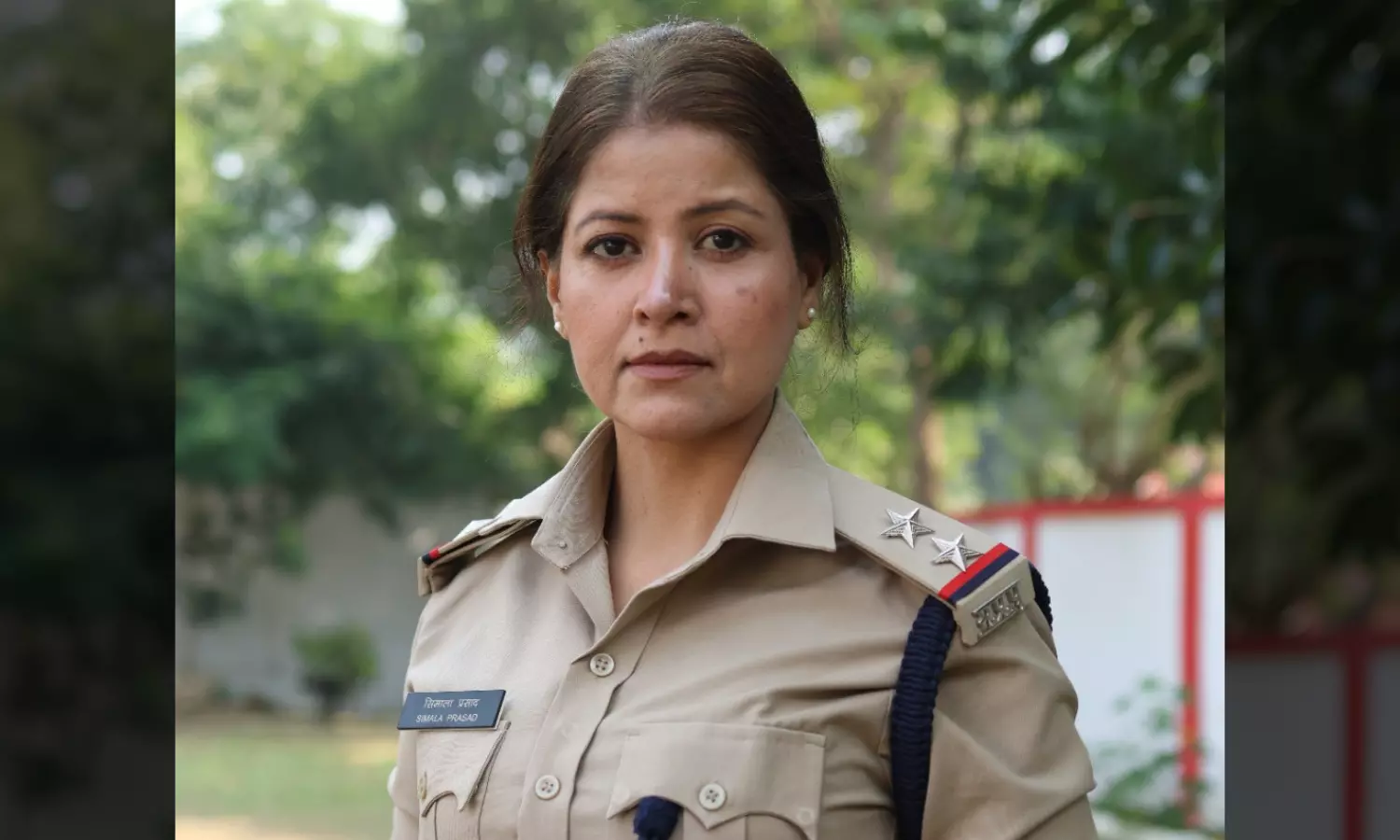
IPS officer and actor Simala Prasad, currently posted as SP in Jabalpur, will soon be seen in a crime drama based on real events. In the film Narmada, she dons the hat of a fearless investigating officer, Narmada Raikwar, striking a compelling parallel between her reel and real-life roles. Playing the title role of an IPS officer on screen while serving as one in reality, she sets a strong example of women’s empowerment. An upright and dedicated officer in real life, she truly deserves kudos for portraying the same strength and integrity on screen as well.
Exclusive Excerpts Follow:
You’ve recently been promoted. What is your current position? What permissions are required for an IPS officer to act in films?
Yes, I’ve recently been promoted to DIG (Deputy Inspector General). Before this, I served as SP in three districts. I’m a 2011 batch IPS officer. To act in films, we need approval from our department, which goes through the state government and is finally cleared by the central government (MHA). Permission is granted based on the script and its theme.
How do you balance such a demanding police career with acting?
Acting is not a full-time profession for me, it’s only my third film. I take proper permissions from the Ministry of Home Affairs (MHA) and carefully manage both responsibilities.
What are the key differences between being a police officer and an actor?
As a police officer, we deal with real people, often seeing just one aspect of their lives and problems problems. As an actor, we portray an entire character’s journey, which requires deep research and emotional understanding.
Tell us about your role in Narmada?
I play the lead character, Narbada, who is a sub-inspector. While I am a police officer in real life, the rank and storyline in the film are different.
Why is the film titled Narmada?
The character is named after the river Narmada. In the story, her mother is a school teacher and an NGO worker devoted to protecting the river, and she names her daughter Narbada out of that devotion.
Did you contribute real-life experiences to the script?
Not directly. The writer, Zegar Imam, conducted detailed research on policing. I appreciated the authenticity of the story but did not add personal incidents.
Do you have formal training in acting?
No, I don’t have formal training. I participated in theatre during school and college as a hobby, but nothing professionally.
How was your experience working in the film industry?
It was a great learning experience. My co-actors are highly experienced and trained, so I learned a lot from them.
When is the film expected to be released?
It is expected to release this summer, though the exact date has not been finalized yet.
Do you plan to continue both careers simultaneously? Will you explore other aspects of filmmaking?
Yes, I will continue both. Both professions serve society, policing directly and films by spreading meaningful messages, so they complement each other. However, I would prefer to focus only on acting within filmmaking.
What kind of roles will you choose in the future?
I would like to choose meaningful stories that highlight real issues and contribute positively to society.
What are your thoughts on crimes against women and society’s response?
The biggest issue is the lack of sensitivity and understanding. Victim-blaming and insensitive comments, especially on social media, make things worse. Society needs to be more empathetic and responsible.
How should people behave on social media regarding such cases?
Everyone should act responsibly. Posting insensitive or negative content harms victims and reflects poorly on society. We must promote empathy and awareness.
Have you handled cases related to missing children or women?
Yes, many. I’ve also written a book titled She Goes Missing, based on my real-life experiences with cases involving missing children.
Would you consider adapting your real-life experiences or book into films?
Yes, if the right opportunity comes, I would definitely consider it.
What message would you like to give to society, especially women?
We must all be responsible and sensitive. Beyond labels like gender or profession, we are human beings. We should stand not just for ourselves, but for others as well.
