Danny Boyle’s ‘28 Years Later’ Triggers Debate Over Dark Cultural References

Reactions, however, have varied internationally. In the United States, where Savile is largely unknown, audiences have embraced the cosplay trend as playful fan service, sharing videos and photos on platforms such as Instagram and TikTok.
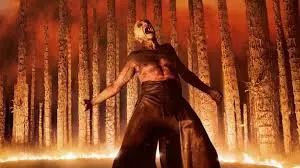
Audiences across cinemas have been drawing attention by turning up in outfits inspired by a controversial pop-culture reference from 28 Years Later: The Bone Temple, the latest sequel in the 28 Days Later franchise directed by Nia DaCosta.
Fans of the series have been attending screenings dressed as members of a fictional cult featured in the film, known as “The Jimmies.” The costumes include flashy, low-cost velour tracksuits, oversized blonde wigs and exaggerated, slacker-style mannerisms reminiscent of the character Sir Jimmy Crystal, portrayed by actor Jack O’Connell. UK audiences have identified the depiction as an intentional Easter egg referencing former British television personality Jimmy Savile, whose legacy is deeply marred by controversy.
Set against a bleak post-apocalyptic backdrop, the film does not seek to glorify or celebrate Savile. Instead, filmmakers have indicated that the reference is meant to heighten the sense of unease and strangeness that runs through the narrative. Director Danny Boyle, speaking to Business Insider, said, “We are living in a time right now which is absolutely dominated by a misremembered past,” adding that the idea reflects the film’s central exploration of the nature of evil.
Within the film’s lore, Britain’s collapse is said to begin in 2002 — the same year highlighted in 28 Days Later. At that point in time, Savile’s crimes had not yet been publicly exposed, which only came to light more than a decade later. The cult’s idolisation of the character is therefore portrayed as a product of ignorance, mirroring how Savile was widely perceived as a beloved celebrity during that era.
Reactions, however, have varied internationally. In the United States, where Savile is largely unknown, audiences have embraced the cosplay trend as playful fan service, sharing videos and photos on platforms such as Instagram and TikTok. In contrast, the depiction has drawn criticism in Britain, where public awareness of Savile’s crimes has made the imagery deeply unsettling.
Savile was one of Britain’s most prominent media figures from the 1960s through the early 2000s, hosting popular BBC programmes including Top of the Pops, Juke Box Jury and Jim’ll Fix It. Following his death in 2011, he was exposed as a prolific sexual predator who abused his fame and charitable image to exploit vulnerable individuals, including children, over several decades — revelations that permanently damaged his public legacy in the UK.
The article is authored by Yog Adithya, an intern with DC from Loyola Academy, Hyderabad
