Shah Rukh Khan Bats for Lower Ticket Prices; Tollywood Backs the Call

His statement found strong support in the Telugu film industry, with leading distributor Varadha Reddy echoing the sentiment. “I fully support SRK and urge Tollywood makers to make film viewing affordable,” Reddy said
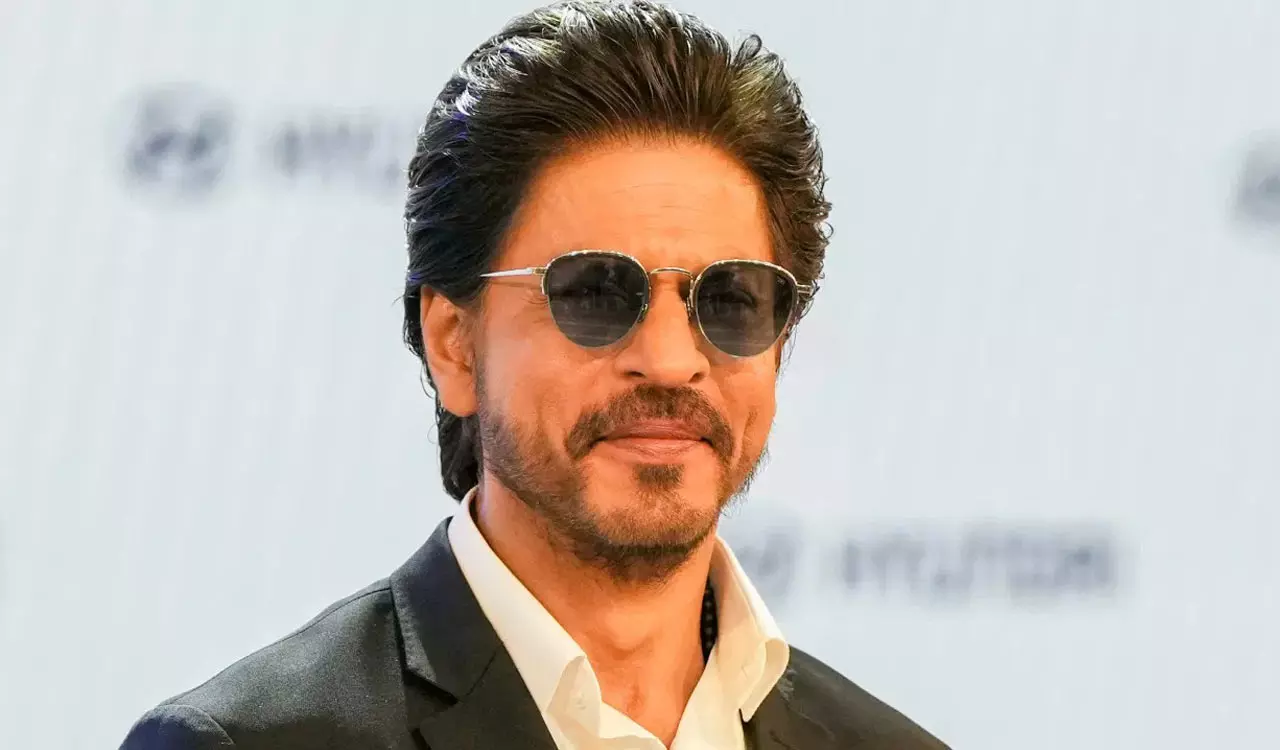
Bollywood superstar Shah Rukh Khan has called for the expansion of cinema infrastructure and reduced ticket prices in India to make films more accessible to audiences across all socio-economic backgrounds. Speaking at a session titled “The Journey: From Outsider to Ruler”, the actor emphasized the need for smaller, affordable theaters, especially in smaller towns.
“I still believe the call of the day is a lot more theaters, small theaters in small towns, and cheaper theaters so that we can show more films to people in every corner of the country,” Shah Rukh said.
His statement found strong support in the Telugu film industry, with leading distributor Varadha Reddy echoing the sentiment. “I fully support SRK and urge Tollywood makers to make film viewing affordable,” Reddy said. “Ticket prices should be below Rs 100, like in the past, to bring back the lower and middle-class audience and have more theatres in towns.” He also stated that even a few multiplexes are offering tickets for Rs 99 and other schemes, since they also know that tickets and beverages in theatres have scared away the audience from theatres
Reddy blamed steep ticket hikes for the decline of single-screen theaters, noting that many are now operating at a loss or shutting down entirely. "Inflated prices to boost collections of superstars are now being practiced by Tier 2 stars with Rs 299 per head and keeping audiences away, further exacerbating theaters' financial distress.
Urging the governments of Andhra Pradesh and Telangana to introduce tiered pricing, Reddy proposed a reasonable range of Rs 75 to Rs 150 for two ticket categories. In contrast, current prices for blockbuster films often skyrocket to between Rs 400 and Rs 1200, especially when special government orders allow temporary price hikes for big-budget releases.
“These inflated prices scare away audiences,” he said, citing a recent partial bandh organized by the industry to draw attention to the plight of single screens. “Some theaters have even locked their doors and canceled shows when there are fewer than ten viewers.”
Concurring with the same, exhibitor Madala Ramakrishna criticised state governments for implementing uniform ticket prices across rural and urban areas, calling it an unfair policy. “How can we equate the income of a rickshaw puller in a village to that of an IT employee in the city and fix the same rates?” he questioned.
The growing call for reform in cinema pricing reflects a larger concern among industry insiders, making film viewing inclusive and sustainable for the future, adds Ramakrishna.
