Berlinale Director Says 'Cool Heads' Needed as Arundhati Roy Withdraws From Festival

Festival director Tricia Tuttle reacted to the controversy sparked by comments made by jury president Wim Wenders at a press conference on Thursday when he was asked about the German government's support for Israel
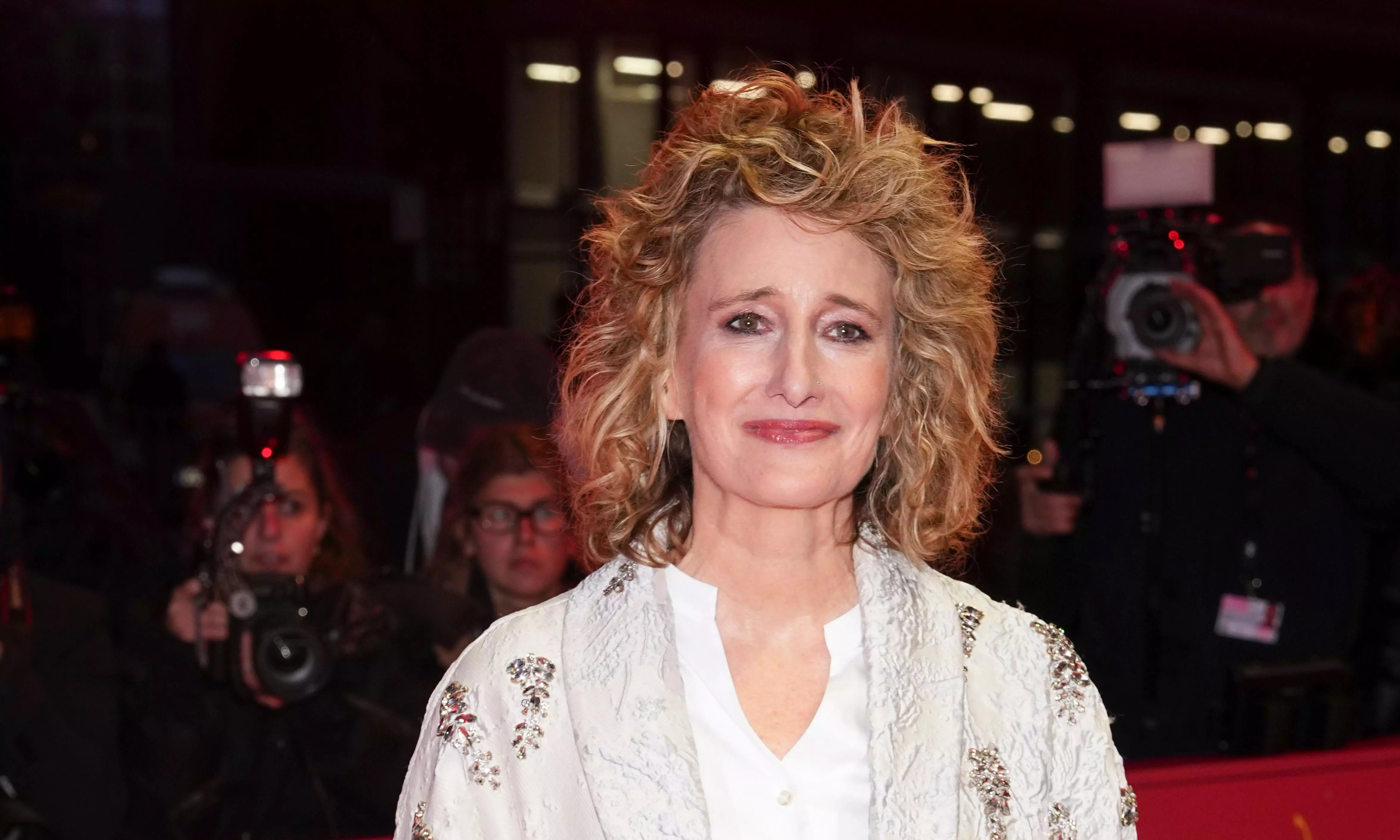
BERLIN: The head of the Berlin Film Festival has sought to draw a line under a row over whether filmmakers should take political stances which has marked the opening days of the event.
In a statement released late Saturday, festival director Tricia Tuttle reacted to the controversy sparked by comments made by jury president Wim Wenders at a press conference on Thursday when he was asked about the German government's support for Israel.
"We have to stay out of politics," Wenders said, stressing that filmmakers had to "do the work of people, not the work of politicians".
That prompted a backlash, including the decision by award-winning Indian novelist Arundhati Roy to withdraw from the festival, where she had been due to present a restored version of a 1989 film she wrote, "In Which Annie Gives It Those Ones".
"It is hard to see the Berlinale and so many hundreds of filmmakers and people who work on this festival distilled into something we do not always recognise in the online and media discourse," Tuttle said in her statement.
Some have defended Wenders, saying his remarks were taken out of context.
In the press conference he also spoke of how "movies can change the world" and of the power of films to "change the idea that people have of how they should live".
In her statement Tuttle thanked the filmmakers, juries and others working at the festival for their "cool heads in hot times".
She emphasised that artists "are free to exercise their right of free speech in whatever way they choose" and should not "be expected to speak on every political issue raised to them unless they want to".
The festival has a reputation for socially-conscious programming and Tuttle pointed out that this year's offering includes "films about genocide, about sexual violence in war, about corruption, about patriarchal violence, about colonialism or abusive state power", some of them from filmmakers who themselves have experienced persecution.
"We do not believe there is a filmmaker screening in this festival who is indifferent to what is happening in this world, who does not take the rights, the lives and the immense suffering of people in Gaza and the West Bank, in the Democratic Republic of the Congo, in Sudan, in Iran, in Ukraine, in Minneapolis, and in a terrifying number of places, seriously," Tuttle said.
