Arinjoy Trio Brings Blues To Hyderabad

Over two decades later and some of the biggest blues festivals later, he is in Hyderabad for the first time, playing at Windmills Craftworks, and preparing, in a sense, to do for a room full of strangers what those two albums did for him as a teenager in Kolkata.
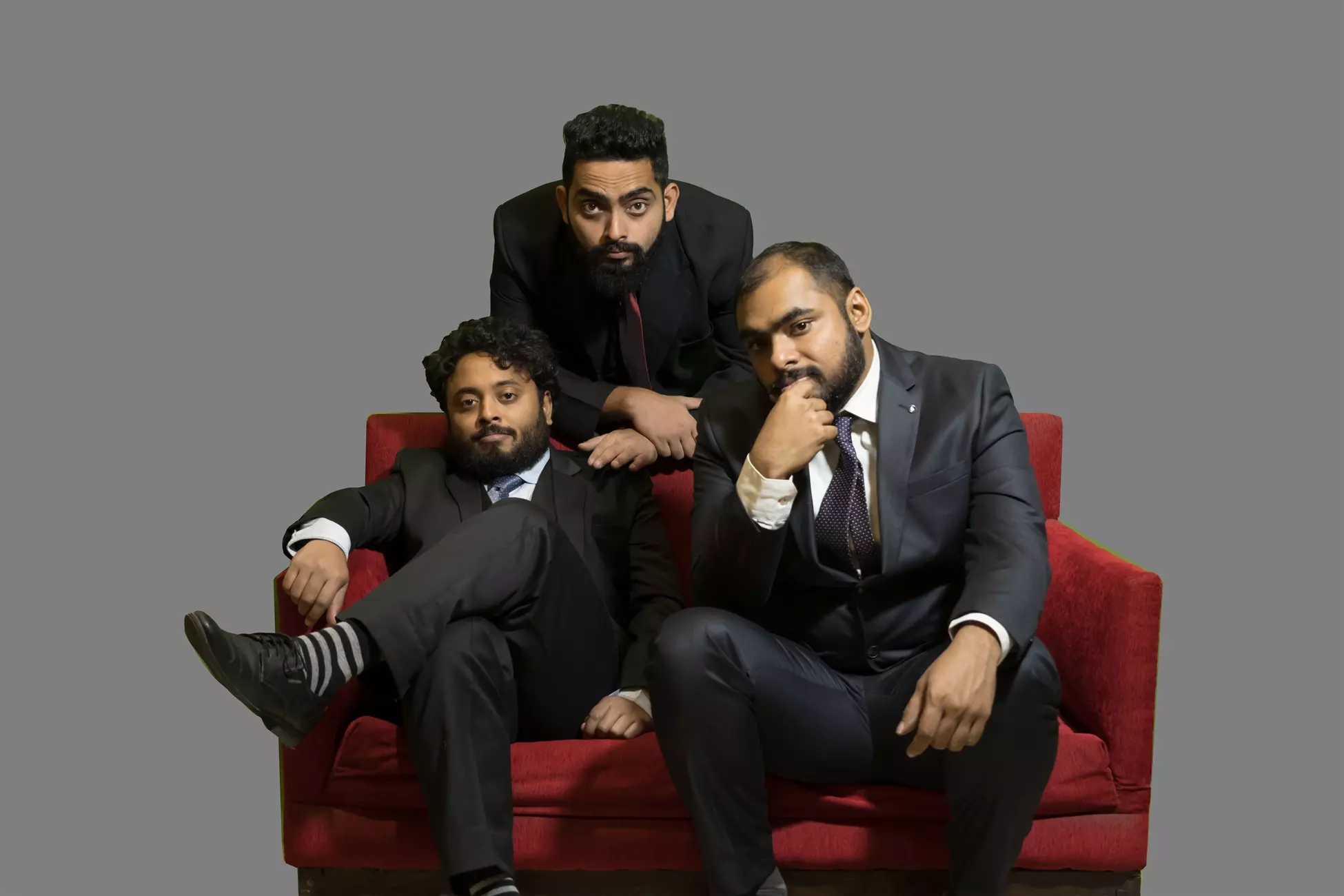
HYDERABAD: His mother had no idea what she was starting. He had pointed at the television at Led Zeppelin, probably, or the Eagles, one of those nights when MTV played something that cut through the usual static of Backstreet Boys, and she went out and bought him two albums: Hell Freezes Over and Led Zeppelin IV. "I couldn't get enough of it," says Arinjoy Sarkar. He pushed every pop CD aside and that was it. That was the beginning.
Over two decades later and some of the biggest blues festivals later, he is in Hyderabad for the first time, playing at Windmills Craftworks, and preparing, in a sense, to do for a room full of strangers what those two albums did for him as a teenager in Kolkata. That is to hand them something they didn't know they needed.
The Arinjoy Trio — with Arinjoy on guitar and vocals, Sounak Roy on drums, and Aakash Ganguly on bass — is one of India's most recognised blues acts. They have been together since 2015, the year Arinjoy decided it was time to stop circling the music and go inside it. Before that, eight years playing in a Bengali band, and before that, he was a boy in Kolkata learning his way through Backstreet Boys songs, Enrique, and the mainstream pop of the late nineties.
A route much like that of many people who grew up around television channels, cassettes and whatever music happened to be within reach.
The blues, Arinjoy Sarkar said at one point, is “very primal and very raw and very fundamental.” He did not dress the idea up any further than that. He did not need to. A few minutes later, he found another way into the same thought: “If you can sing the blues after a tough day, it’s therapy.” Between those two lines sat almost everything he had to say about the music he has given himself to, the trio he has built around it, and the kind of listening life that made such a band possible in the first place.
People often tell these stories as if taste arrives fully formed, but Sarkar did not. He spoke about it as a gradual widening, one sound leading to another, one teacher opening a door to an older lineage. When the conversation turned to Amyt Datta, one of the most well‑renowned guitarists in Kolkata to this date, and his teacher, he said, “I call Amyt Datta my musical parent. He was the one who first taught me the blues and my exposure to music increased tenfold because of him.” Sarkar later also got to play with him. Datta heard him play and asked if he wanted to join him on his own music. “I was like, I’ve been waiting for this,” he remembered.
That mix of inheritance and accident, of self‑search and shared company, runs through almost everything he said about Kolkata too. The city, in his telling, supplied a way of listening. “Back then it was easier to come together for a shared listening experience,” he said. “I tell my students they are missing out on those shared experiences. Music today can feel very isolated.” Kolkata, at least in the years that formed him, offered the opposite. Blues and jazz had a public life. There were people to watch, arguments to have, records to pass around. “That is very important to inculcate a certain musical sensibility in any city.”
When it came to making a life in this music, he did not romanticise hardship either. “I’ve never depended on live performances for income,” he said. “My main income comes from teaching guitar.” Teaching, in his account, gives him a livelihood and something more durable. The trio has more ahead. A blues legend from the United States is set to record harmonica for one of their versions of his song. “If all goes well you should hear it in a couple of months,” he said.
