Aleya Sen on Her Journey from Advertising to Film, Directing with Emotion, and Telling Honest Stories

Director Aleya Sen reflects on her creative journey, emotional storytelling, and staying true to her voice.
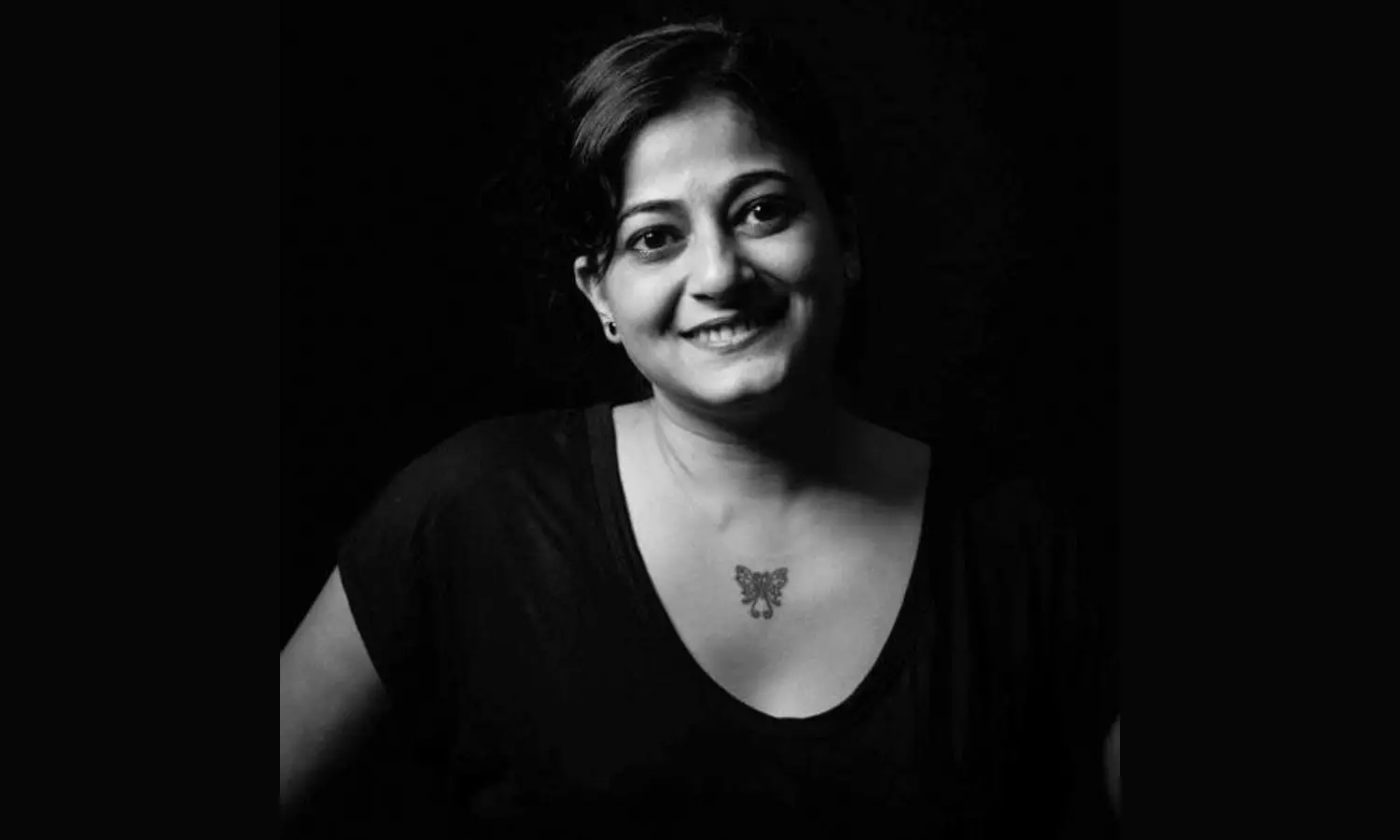
Your journey has been an incredible journey since 2004. What inspired your transition from advertising to filmmaking?
Honestly, it wasn’t planned. My background is in art—I studied at an art school, and I grew up surrounded by music and dance. These influences shaped me deeply. Advertising was a structured choice—I trained under Pradeep Sarkar and learned a lot. But over time, I felt drawn toward telling more personal stories. Advertising teaches you how to tell a story in 30 seconds, which really sharpens your storytelling instincts. But filmmaking allowed me to express emotions and experiences more deeply. It became a natural evolution rather than a conscious shift.
Can you share some insights on your directorial approach in Dil Juunglee and Trial Period, and how do you see your style evolving?
Dil Juunglee was my first feature, and I hadn’t assisted on any before that—so the approach was largely experiential. I was discovering things as I went along. But by the time I made Trial Period, I had grown. I started focusing more on emotional nuance than just technical precision. I feel very connected to my stories emotionally, and I almost become a part of the set. With every film, I evolve—technically, emotionally, and creatively.
How do you balance your creative freedom with commercial viability, especially having worked in both indie and mainstream spaces?
That’s something I’m constantly navigating. Commercial aspects—like budget and scale—are usually determined by your cast. So yes, that becomes a key factor in getting a project made. But I don’t think about actors or faces while writing. Only when I start directing do I begin visualizing. With Trial Period I was fortunate—it got greenlit during COVID, and I just instinctively knew I wanted Manav and Genelia. Some projects come together as if the universe aligns it all for you. It’s magical when that happens.
What was the experience like working with actors like Taapsee in Dil Juunglee and Genelia in Trial Period? How do you approach collaborations with your cast?
I think I’ve been very lucky with my actors. Taapsee and Genelia were both incredible collaborators. They instinctively understood the emotion I was trying to capture. Dil Juunglee was a light, romantic space, whereas Trial Period dealt with more mature themes, like single motherhood. But in both cases, my actors helped elevate what was on the page. I believe in giving actors space and freedom—it’s about collaboration, not control. The best results come when everyone brings their full selves to the process.
How did your role as a creative producer differ from your work on other projects? What have you learned through those experiences?
As a creative producer, I get to be part of stories I may not direct myself—like thrillers or horror. I love watching those genres but may not want to make them. Producing lets me explore them without having to tell the story from my own lens. On 'Lust Stories' and say 'Badhaai ho' I wasn’t deeply involved technically, but I was involved in shaping how the stories were presented, marketed, and creatively positioned. It taught me a lot about how to bring a project to life beyond just directing.
What can we expect from your upcoming projects, and how do you see your career evolving in the next few years as a filmmaker?
I love exploring human relationships, especially from a woman’s perspective—be it a mother, a partner, a friend. My next project is a very emotional and suspenseful story about a mother and daughter—a 60-year-old woman and her 30-year-old daughter. It’s in a genre I haven’t worked in before, and I’m really excited. I also enjoy building stories with writers from different backgrounds. Collaboration helps me evolve as a writer and director.
You wear many hats—writer, director, producer. How do you juggle all these roles and manage such a diverse career?
At heart, I’m a writer. I’ve kept diaries since I was a kid—writing has always helped me process things. Writing naturally led me to directing. But I still think like a producer, especially from my advertising background. I’ve also started a creative unit called Minikin DGWorks, an ad film production house, as well as Crimsen Tales, a writers' hub that brings writers together to brainstorm and develop stories. I don’t enjoy working in isolation—I like bouncing ideas off others, especially people with different life experiences. That keeps the storytelling authentic and dynamic.
Okay, this is a personal one—Is Manav Kaul really as dreamy as he seems on screen?
Not in the way people expect! He’s thoughtful, intelligent, and very grounded. When I first met him, I felt like he was the character I had written. He’s from MP, he’s athletic, he’s articulate—and incredibly well-read. He really dives deep into character work. We had long discussions about the script, and he brought nuances I hadn’t even imagined. He makes it look effortless, but he’s very intentional.
What about Genelia? How was your experience working with her on Trial Period?
She was amazing. She was my first choice for the role, and she brought such natural warmth, especially important for playing a single mother. You can’t teach someone how to hold a distressed child or show maternal instinct—it has to come from within. Genelia just had that. She made the character believable from the very first scene. And with actors like her and Manav, you just feel confident as a director.
Lastly, what keeps you going? What’s one key learning from your journey so far?
That learning never stops. Every project teaches me something new. I’ve learned to stay open—to people, perspectives, processes. I love bringing in writers who challenge my view. Like with Trial Period, I worked with someone from MP to authentically capture the male lead’s voice, because I knew I couldn’t do it alone. My biggest takeaway is that collaboration fuels creativity. And I never want to stop learning.