Actors Who Brought Chhatrapati Shivaji Maharaj to The Screen

Capturing such a legendary figure on screen requires immense gravitas and physical discipline
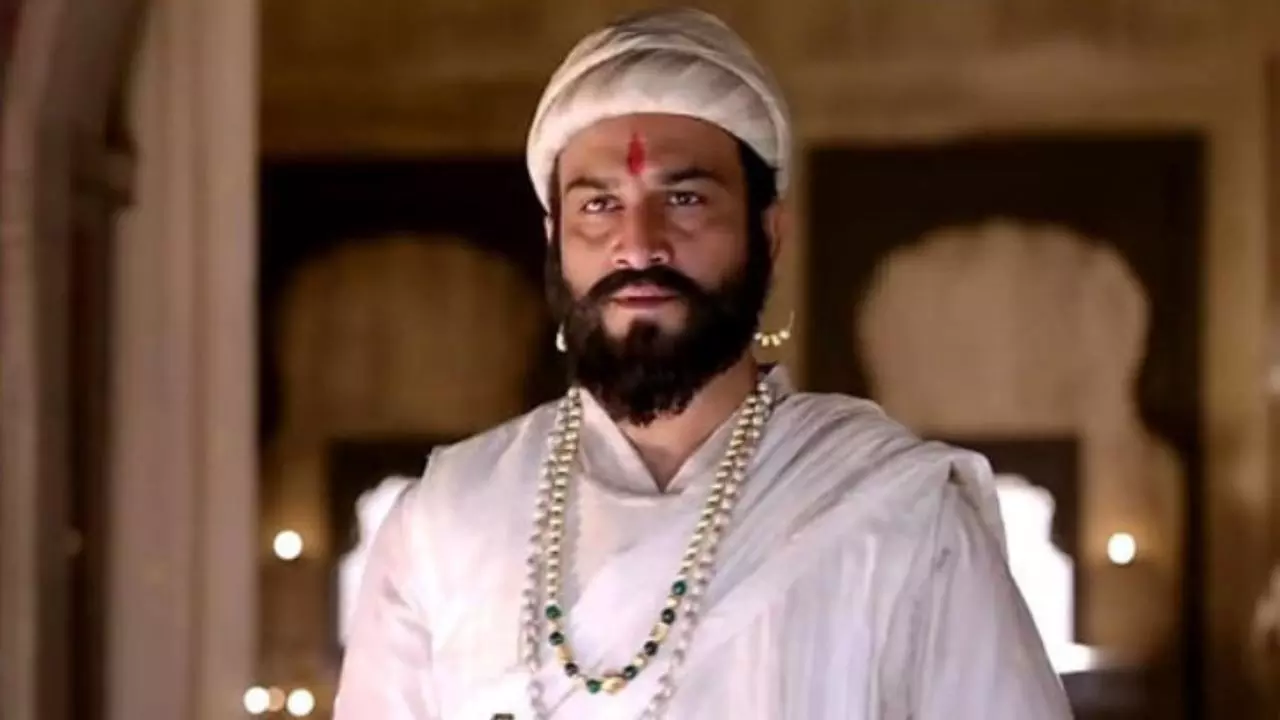
Chhatrapati Shivaji Maharaj is not just a name in Indian history; he is an emotion, a symbol of resistance, and the architect of Swarajya (self-rule). Born on 19 February 1630 at Shivneri Fort, he emerged as a visionary leader who challenged the mighty Mughal and Deccan Sultanates with limited resources.
His importance lies in his progressive governance — he was a pioneer of naval warfare, a master of guerrilla tactics (Ganimi Kava), and a staunch advocate for the dignity of women and the welfare of farmers. He continues to rule the minds of millions because his leadership was built on merit rather than caste, and his life remains a timeless lesson in courage, strategic brilliance, and administrative justice.
Capturing such a legendary figure on screen requires immense gravitas and physical discipline. Over the decades, several actors have attempted to bring his aura to life across cinema and television.
The Pioneers and Early Portrayals
In the early era of Indian cinema, portrayals of Shivaji Maharaj were deeply rooted in traditional storytelling.
Chandrakant Mandhare: In the 1952 film Chhatrapati Shivaji, he became one of the first actors to personify the king on the silver screen, setting a benchmark for dignity and traditional Maratha aesthetics.
Suryakant Mandhare: Remembered alongside his brother, he played the role in films such as Swarajya Shiledar and Pawankhind, cementing the “warrior-king” image in the minds of the older generation.
Naseeruddin Shah: Portrayed the character in the television series Bharat Ek Khoj, bringing a grounded and theatrical nuance.
Modern-Era Portrayals
Chinmay Mandlekar: Widely celebrated for playing the Maharaj in Farzand, Fatteshikast, Sher Shivraj, and Pawankhind, portraying him as the “People’s King” — balancing strategic sharpness with warmth toward soldiers.
Amol Kolhe: Became the most recognisable television face of the king through the series Raja Shiv Chhatrapati, admired for his language command and expressive performance.
Mahesh Manjrekar: In Me Shivajiraje Bhosale Boltoy (2009), he played a spiritual guiding presence of the king in a contemporary setting.
Subodh Bhave: In Har Har Mahadev (2022), he emphasised the human and empathetic side of the ruler.
Sharad Kelkar: His role in Tanhaji: The Unsung Warrior (2020) became a major pan-Indian portrayal, combining regal calmness with warrior ferocity.
Riteish Deshmukh: Set to portray the king in the upcoming film Raja Shivaji.
Marathi historical cinema has also expanded through Digpal Lanjekar’s Shri Shivraj Ashtak series, with actors such as Akshay Kumar, Siddharth Bodke and Bhushan Pradhan portraying the king in different projects.
Regional and South Indian Portrayals
Sivaji Ganesan: Appeared as Shivaji Maharaj in Bhakta Tukaram (1973) and later played the lead in Chatrapati Sivaji (1974), produced to mark the 300th coronation anniversary.
N. T. Rama Rao: Frequently portrayed the Maratha king in theatre and cultural productions, adding to his legendary historical repertoire.
Challenges of Playing the Role
Actors often describe portraying Shivaji Maharaj as a “double-edged sword” because expectations are extremely high:
Physicality: Horse riding, sword fighting, and mastering guerrilla combat posture
Authenticity: Accuracy in attire and respectful character depiction
Voice: A commanding yet empathetic tone capable of delivering inspirational dialogue
The legacy of Shivaji Maharaj transcends regions and languages. Whether in Marathi, Hindi, Telugu, or Tamil productions, filmmakers continue to revisit his life, ensuring that the Maratha ruler’s courage and vision remain alive for new generations.
