Deepavali Inscribed on Unesco's Intangible Cultural Heritage List

This is the first time that India is hosting a session of the Intergovernmental Committee for the Safeguarding of the Intangible Cultural Heritage
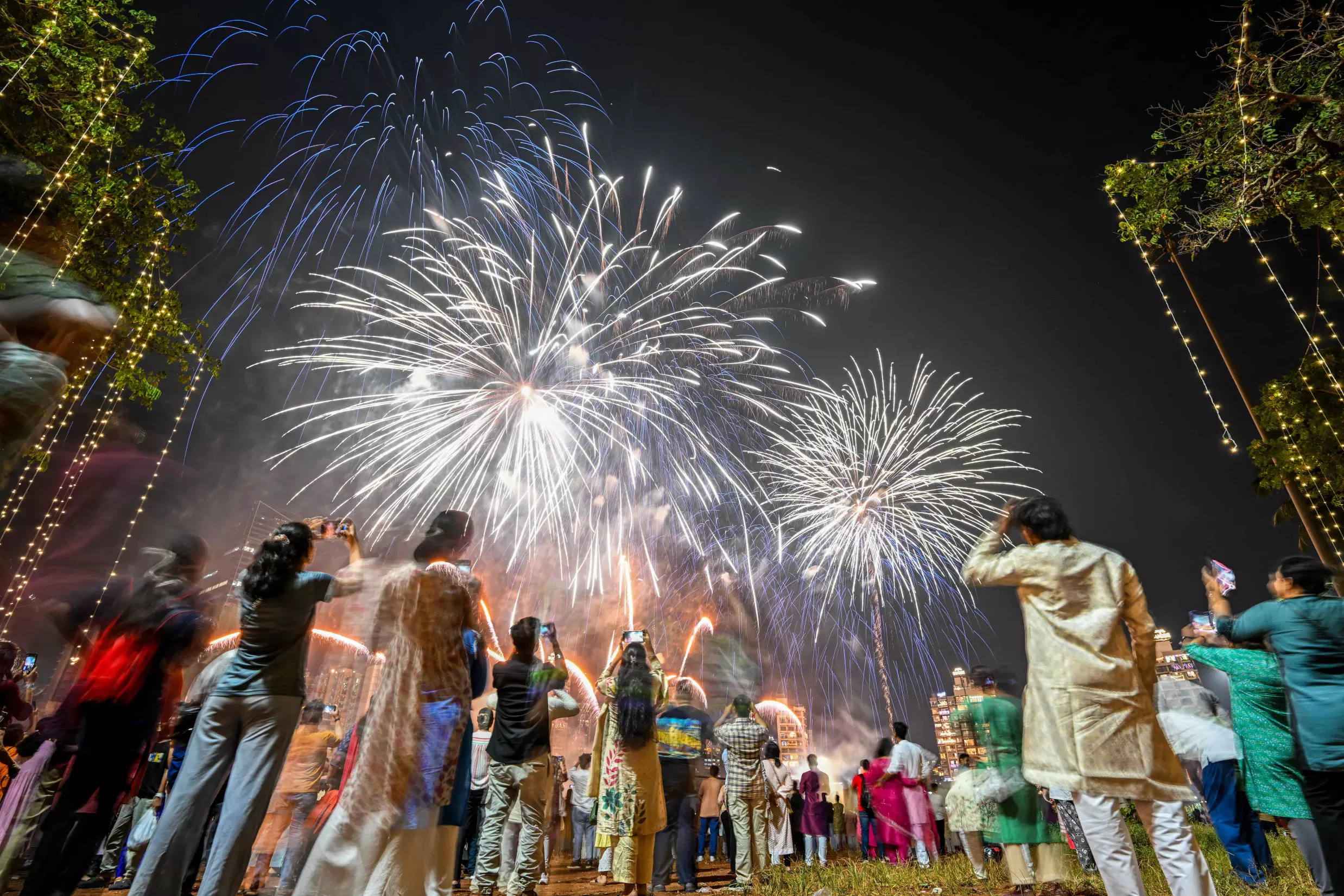
New Delhi: Unesco on Wednesday accorded Diwali, also known as “Deepavali”, an inscription on its representative list of the intangible cultural heritage of humanity. Unesco granted the recognition to one of India’s most widely celebrated living traditions during the 20th session of the Unesco Intergovernmental Committee held at the Red Fort in the national capital.
“BREAKING New inscription on the #IntangibleHeritage List: Deepavali, #India. Congratulations!” Unesco said in a post on X.
Soon after the announcement, Prime Minister Narendra Modi welcomed the addition of Diwali to Unesco's intangible heritage list and said that it will contribute to the festival’s global popularity even further.
Modi, who was responding to a post by Unesco, said, “People in India and around the world are thrilled. For us, Deepavali is very closely linked to our culture and ethos. It is the soul of our civilisation. It personifies illumination and righteousness. The addition of Deepavali to the Unesco Intangible Heritage List will contribute to the festival’s global popularity even further. May the ideals of Prabhu Shri Ram keep guiding us for eternity. @Unesco.”
The inscription was adopted in the presence of Union minister of culture Gajendra Singh Shekhawat and ministry of culture secretary Vivek Aggarwal, along with the senior officials of the ministry and delegates from 194 member states, international experts, and representatives of Unesco’s global network during the 20th session of the intergovernmental committee.
Addressing the international delegates, Shekhawat said that the inscription marks a moment of immense pride for India and for communities across the world who keep alive the timeless spirit of Diwali.
Highlighting the living and people-centric nature of the festival, Mr Shekhawat underscored that Diwali thrives through the contributions of millions, including potters crafting traditional diyas, artisans preparing festive decor, farmers, sweet makers, priests, and households that uphold age-old customs.
The recognition, the minister noted, is a tribute to the collective cultural labour that sustains this tradition. He also acknowledged the vibrant role of the Indian diaspora, whose celebrations across Southeast Asia, Africa, the Gulf, Europe, and the Caribbean have carried the message of Diwali across continents and strengthened cultural bridges.
The nomination, prepared by the ministry of culture through the Sangeet Natak Akademi, followed an extensive nationwide consultation involving practitioners, artisans, agrarian communities, diaspora groups, individuals with special needs, transgender communities, cultural organisations, and tradition bearers from across India.
The Unesco’s inscription acknowledges Diwali as a living heritage that strengthens social bonds, supports traditional craftsmanship, reinforces values of generosity and wellbeing, and contributes meaningfully to several sustainable development goals, including livelihood enhancement, gender equality, cultural education and community welfare.
