Zero Duty For Select Bangladesh Apparel Hits Indian Exporters

The US–Bangladesh Agreement on Reciprocal Trade lowers the reciprocal tariff on Bangladeshi goods from 20 per cent to 19 per cent. It also grants zero-duty access to textile and apparel products from Dhaka made with cotton and man-made fibre imported from the US
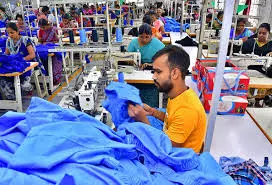
Chennai: The zero-tariff access provided to select apparel from Bangladesh by the US under its trade deal signed on Monday will erode the competitiveness of Indian exporters, who were relieved by the announcement of the interim framework on the India-US trade deal. Indian cotton and yarn exporters to Bangladesh will also be affected if Bangladesh buys more fibre from the US.
The US–Bangladesh Agreement on Reciprocal Trade lowers the reciprocal tariff on Bangladeshi goods from 20 per cent to 19 per cent. It also grants zero-duty access to textile and apparel products from Dhaka made with cotton and man-made fibre imported from the US.
Recently, the US had lowered the reciprocal tariffs on India to 18 per cent and textiles and apparels were one of the major beneficiaries of this decision. However, the Bangladesh deal will give the apparels from the country an advantage over Indian products.
While the Confederation of Indian Textile Industries is awaiting clarity on the mechanism to be put in place by the US, “that will allow for certain textile and apparel goods from Bangladesh to receive a zero reciprocal tariff rate,” it acknowledges that this opens a fresh challenge for India’s textiles and apparel exporters, for whom the United States is their single-largest market.
“This challenge is two-fold. First, the tariff differential between India and Bangladesh has halved from 2 per cent to 1 per cent, which is a matter of concern in a sector with narrow profit margins. Secondly, the US–Bangladesh Agreement on Reciprocal Trade could likely adversely affect India’s cotton yarn exports to Bangladesh. Bangladesh is already among the leading exporters of textiles and apparel to the United States, alongside China, Vietnam, and India. Any additional advantage for Bangladesh could further increase competition for Indian exporters,” it said.
India has offered duty concessions under tariff-rate quotas for imports of extra-long staple cotton from the United States under the proposed interim agreement.
However, unlike Bangladesh, India has not received zero-duty access for finished garments made using this cotton, a gap that exporters say gives Bangladesh a cost advantage and puts Indian manufacturers at a competitive disadvantage.
From April to November of 2025, Bangladesh’s ready‑made garment exports to the US reached about $7.6 billion, more than double of India’s $3.26 billion during the period.
