WTO MC14 Ends Without Deal as E-Commerce Moratorium Lapses

MC14 was one of the most inconclusive ministerial conferences in recent years
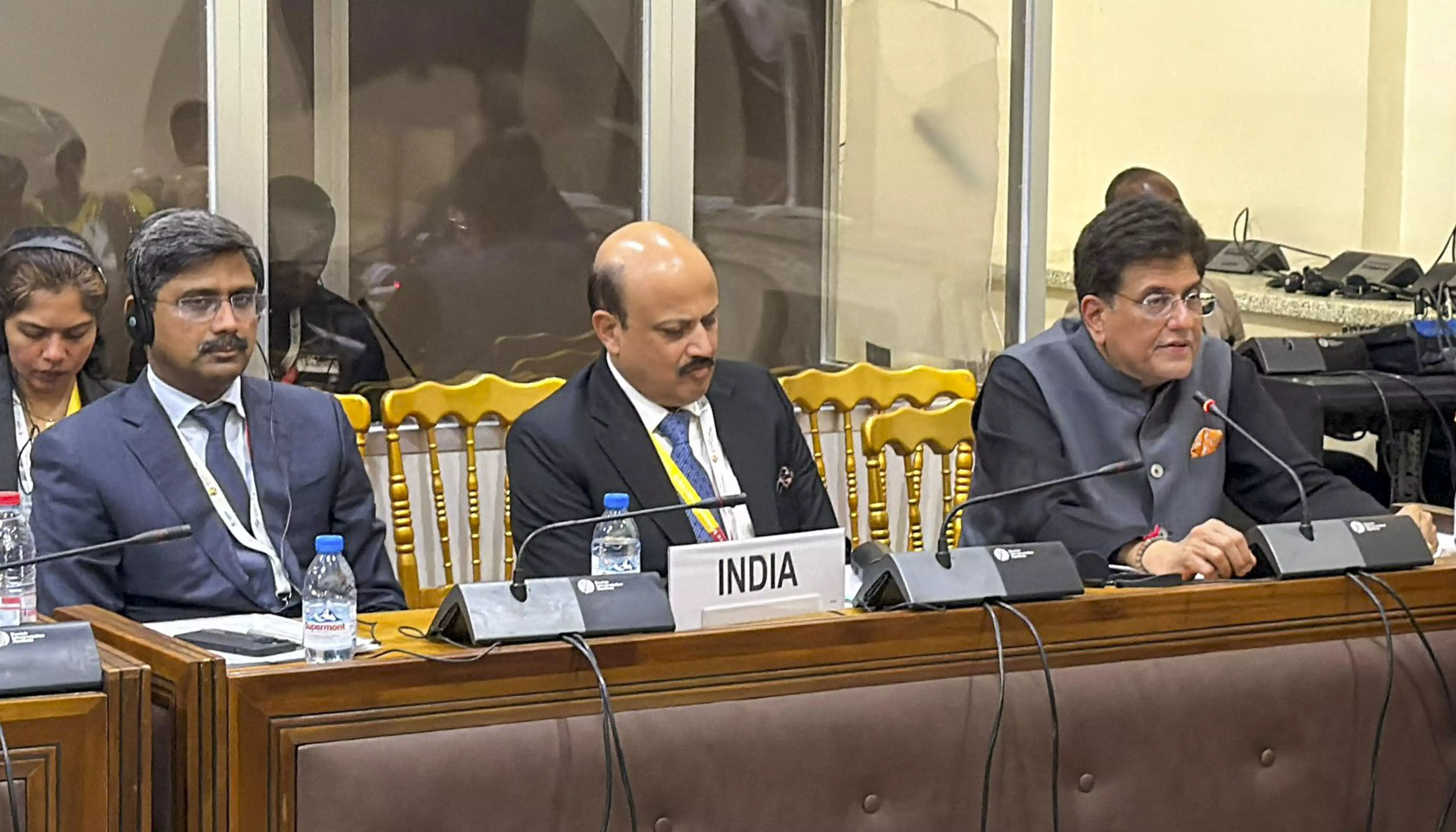
Chennai: The WTO’s 14th Ministerial Conference (MC14) held in Cameroon ended without agreement on key issues, including e-commerce moratorium and expiry of safeguard against non-violation complaints against intellectual property policies. With no agreement, the e-commerce moratorium lapsed for the first time in 26 years, opening the door for countries to impose customs duties on digital transmissions.
MC14 was one of the most inconclusive ministerial conferences in recent years. Despite WTO remaining ineffective in mitigating trade uncertainties, experts want India to build coalitions to defend consensus-based decision-making at WTO, which is under threat due to growing plurilateral pacts.
“We are very close to a Yaoundé package… but we are not all the way there yet,” said Director-General Ngozi Okonjo-Iweala, adding that members would preserve draft outcomes, including decisions on WTO reform, electronic commerce, and TRIPS non-violation complaints as the basis for future negotiations in Geneva.
The outcome makes MC14 one of the most inconclusive ministerial conferences in recent years, highlighting deep divisions over the future of the multilateral trading system, finds GTRI.
At the heart of the deadlock was the WTO’s moratorium on customs duties on electronic transmissions, in place since 1998. The US, backed by the EU and Japan, pushed for a long-term or permanent extension. The top US tech firms, including Google, Amazon and Meta are the major beneficiaries of the moratorium. While imposing tariffs on all countries, the US wants others not to levy duties on digital transactions.
India and other developing countries opposed this, arguing it would lock in revenue losses and shrink policy space in a fast-growing digital economy. Brazil also opposed the US proposal, including a four-year extension. With no agreement, the moratorium lapsed for the first time in 26 years, opening the door for countries to impose tariffs on digital transmissions.
The moratorium on non-violation complaints under the TRIPS Agreement has also lapsed. Developing countries, including India had relied on this safeguard to protect its health, pharma and farm sector from extension of intellectual property rights by multinational giants.
Efforts to agree on a WTO reform roadmap also failed. The Investment Facilitation for Development Agreement (IFDA), backed by most members, remains blocked due to India’s opposition. India argues that bringing such plurilateral deals into the WTO would weaken its multilateral nature and allow smaller groups to shape rules. India’s stance helped safeguard the WTO’s core principle of consensus-based decision-making, preventing a shift toward fragmented, coalition-driven rule-making.
Meanwhile, 66 members moved ahead with a separate e-commerce deal outside the WTO, reflecting a growing shift toward agreements outside the consensus system.
The conference also failed to arrive at a consensus on topics related to agriculture and fisheries. In agriculture, India has been pressing for MSP-based procurement and public stockholding for food security, and in fisheries we were seeking protection for small scale fishermen.
“MC14 stands out not just for failing to deliver new agreements, but for letting existing pillars collapse. MC11 ended without a declaration due to divisions over new rules, while an earlier breakdown at MC5 was triggered by disputes over new issues like investment and competition policy. But MC14 goes further and worse. It is the only ministerial conference where core moratoria, including those on e-commerce and TRIPS non-violation complaints, were allowed to expire,” finds Ajay Srivastava, founder of GTRI.
However, he argues that the WTO is still relevant, despite the developed economies trying to break it.
“India’s blocking of IFDA helped defend the WTO’s consensus-based system. India should avoid being seen as standing alone. Building alliances is slow and demanding, but it has delivered results for India in the past. As talks move to smaller groups, New Delhi must revive coalition-building and play a more active role in shaping outcomes in Geneva,” he added.
