WB, ADB Creates Framework For City Development In India

The ‘Cities as Growth Hubs’ framework helps each city define its “urban growth trajectory,” plan orderly, serviced expansion, and prioritize investments that catalyze jobs and innovation
Chennai: The World Bank and Asian Development Bank, and the Indian government have launched three new knowledge frameworks that show how cities can grow smarter, redevelop better, and deliver essential services at scale.
The three knowledge frameworks—Cities as Growth Hubs, Creative Redevelopment of Cities in India, and Water and sanitation in Indian cities - offer practical pathways to act.
The ‘Cities as Growth Hubs’ framework helps each city define its “urban growth trajectory,” plan orderly, serviced expansion, and prioritize investments that catalyze jobs and innovation. It advances integrated planning that links transport, housing, land use, and economic development; empowers local institutions to lead; and sets out ways to crowd in private investment. The framework also emphasizes the role of the private sector, governance reforms, and climate resilience.
The second framework focuses on the urban core, identifying pathways to revitalize central areas, brownfields, and underused public assets to boost economic growth, reduce congestion, and optimize existing infrastructure. Building on Indian and international experience in brownfield redevelopment, it proposes a systematic approach: define vision, map public assets, identify redevelopment typologies and develop market-driven solutions.
Cities may implement one or a combination of upgrading built systems for optimized use, urban form, and building resilience, improving mobility and accessibility, enabling regulatory and fiscal incentives, streamlining institutional frameworks, and structuring innovative financing solutions. The goal is to create vibrant, mixed-use neighbourhoods that attract jobs, strengthen competitiveness, enhance tourism potential and civic pride, while learning from global practice to ensure inclusive growth and livability.
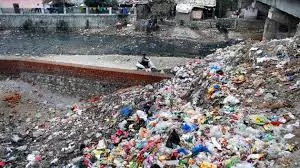
The third framework provides an ambitious blueprint to modernize essential water, sanitation and solid waste services in Indian cities. It calls for a shift in focus from building infrastructure assets to delivering outcomes—reliable water supply, safe sanitation, and efficient solid waste management. It is grounded in a rigorous assessment of 100 large cities, deep-dive diagnostics in 10 cities, and lessons from India and global practice.
By 2036, India’s towns and cities will be home to 600 million people—each one counting on a good job, a decent home, clean water, and reliable sanitation and waste systems. India’s cities already contribute 63 per cent of the country’s GDP, a share projected to increase to 75 per cent by 2036.
