US Planning For 200 PC Tariffs On Some Pharmaceuticals

The US is heavily reliant on Indian generic drugs as they help reduce US healthcare costs by around $15,000 per capita. The US cannot replace low-cost, high-volume generics with high-cost local products: Reports
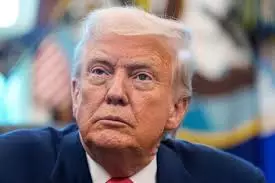
CHENNAI/HYDERABAD: The Trump administration has proposed steep tariffs on imported medicines, with officials even suggesting duties of up to 200 per cent on some drugs, according to the Associated Press. Indian companies might have to give up on the US market as their generic business does not have the margins to absorb such high tariffs.
The report which quoted sources said that the US administration has invoked national security provisions under Section 232 of the US Trade Expansion Act of 1962, arguing that America needs to boost domestic drug manufacturing. The COVID-19 pandemic highlighted shortages and heavy reliance on imports, which Washington now sees as a strategic vulnerability.
The US is heavily reliant on Indian generic drugs as they help reduce US healthcare costs by around $15,000 per capita. The US cannot replace low-cost, high-volume generics with high-cost local products.
The US generic market is also crucial for Indian pharma, contributing about 35% to its total revenue at around $10.7 billion. In India, Telangana will be the hardest hit as it drives 35 per cent of India’s pharmaceutical production and around 40 per cent of exports, with life sciences contributing 60 per cent of the state’s merchandise exports.
The Trump administration has been keeping pharma away from the tariffs due to their crucial role in public health. Indian experts believe that Trump might not impose tariffs as high as 200 per cent on pharma.
“Any tariff on drugs will be an additional burden on us as we offer low-cost generics,” said Ravi Uday Bhaskar, former director general of Pharmexcil.
"If a 200 per cent tariff is imposed, it will be a big jolt not just for Hyderabad, but for the entire country. But I don’t think the US can afford to make it 200 per cent. It is in their own interest. It will lead to shortage and US consumers will suffer," said Uday Bhaskar.
Telangana, home to over 2,500 pharma companies and more than 200 API units, generated $13 billion of India’s $43-billion life sciences revenues last year. Hyderabad accounts for half of bulk drug exports and a third of India’s vaccine exports.
According to India Ratings, if a 25 per cent tariff is imposed, most pharma companies might shift much of the cost to consumers, depending on product competition. They could also mitigate effects by negotiating with US importers, exploring alternative markets, investing in US manufacturing, or leveraging their competitiveness to absorb costs.
However, tariffs exceeding 25 per cent could erode their competitive edge, making it difficult to pass costs onto consumers for already low-cost generics, leading to market exits and drug shortages in the US.
"As long as we make quality drugs at low cost, India will be relevant to the world," said Bhaskar.
“With the uncertainties around, Indian companies should increasingly explore other markets. Asia-Pacific is a large market for generics. We also have been tapping Latin America, ASEAN and Africa. However, shifting from the US immediately will not be possible,” he said.
