Rupee Falls to Historic Low at 88.75 on Tariff Concerns, H-1B Visa Levy

On Monday, the rupee depreciated by 12 paise to close at 88.28 against the US dollar
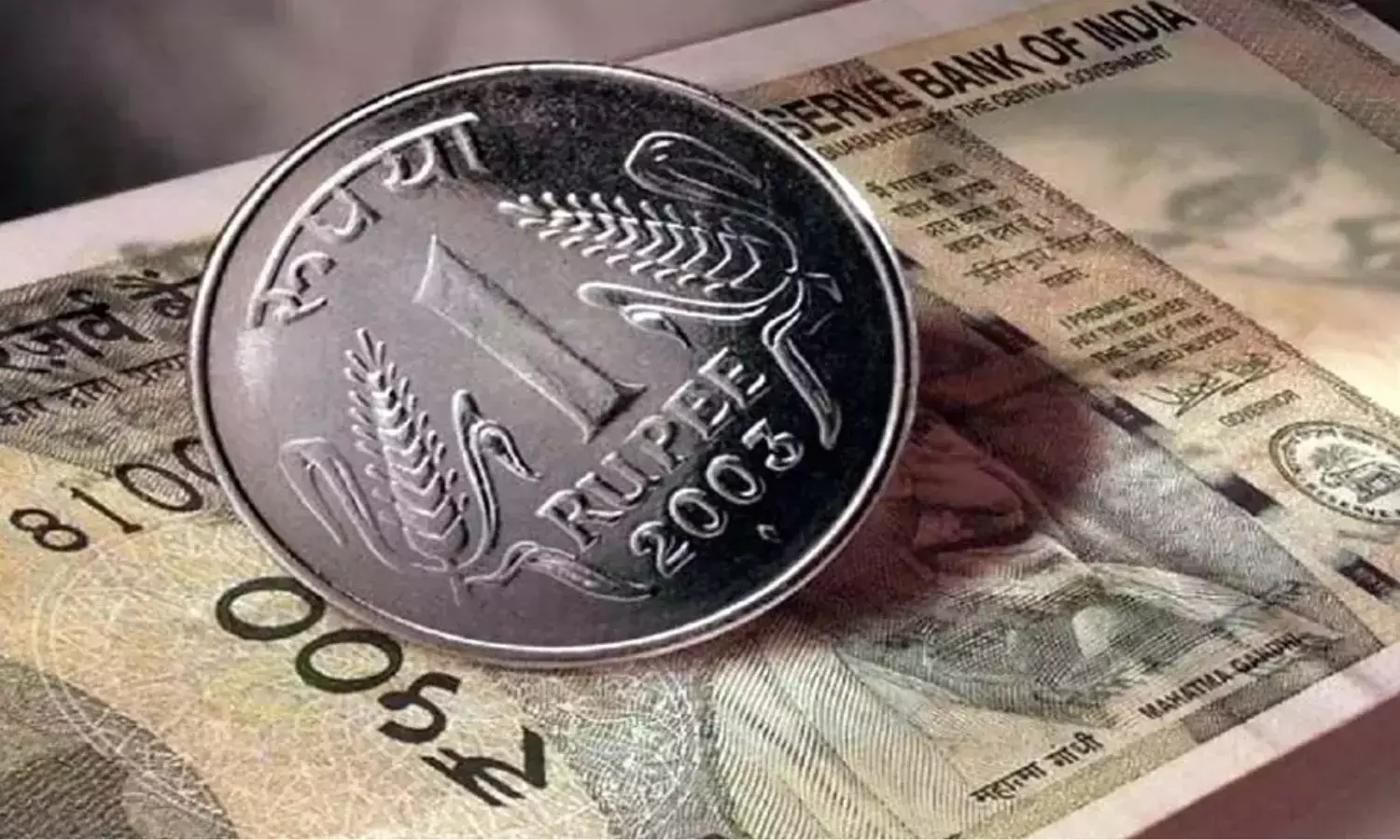
Mumbai: The Indian rupee fell 47 paise to close at a new record low of 88.75 on Tuesday as tariff issues and US H-1B visa fees continued to rattle Indian markets with foreign portfolio investors shunning Indian stocks on concerns that domestic exports will be severely affected by these twin issues. Traders said that the Reserve Bank of India (RBI) was conspicuous by its absence to support the rupee, probably trying to help exporters to some extent to mitigate the after effects of the tariffs on the Indian exports. The rupee has fallen by 3.90 per cent in this financial year and remains fragile as it moves towards 89 levels, a psychological level which the RBI may protect for some time, said forex experts.
The rupee has been at record lows against the three major currencies it trades in mainly the dollar, pound and the Euro.
A hike in United States H-1B visa fees to $ 100000 threatens India’s IT export margins and remittance flows, while the US tariffs on Indian goods continue to weigh on trade sentiment. On top of this, the proposed HIRE Act in the US calls for a 25 per cent tax on outsourcing payments and disallowing such payments as tax-deductible. Since over half of India’s IT revenue comes from U.S. clients, this bill, if passed in its current form, could erode competitive pricing, squeeze margins, and lead to renegotiations or delays in outsourcing contracts.
At the interbank foreign exchange, the rupee opened at 88.41, then lost further ground and touched an all-time intraday low of 88.82 against the US dollar, and finally settled for the day at 88.75 registering a decline of 47 paise over its previous close of 88.28. Meanwhile, the dollar index, which gauges the greenback's strength against a basket of six currencies, was trading 0.06 per cent lower at 97.28.
Chief Economic Adviser Ananth Nageswaran in an interview stated that the Rupee's slide was particularly not a sign to worry. According to him, India's forex reserves were sufficient while India's external borrowings were low indicating that the country is better geared to manage vulnerabilities. India's forex reserves touched $702.96 billion in the week to September 12. Currently, two Indian ministers are in the US to sort the tariff issue as well as the US visa fees issue. India’s Commerce and Industry Minister Piyush Goyal met US Trade Representative Jamieson Greer in New York to discuss the first phase of a trade agreement between the two countries. A day earlier, external affairs minister S Jaishankar met US Secretary of State Marco Rubio and discussed a range of bilateral and international issues of "current concern".
Says Anil Bhansali, executive director at Finrex Treasury Advisors, “The closing at 88.75 is rupee’s lowest closing ever and it is expected to rise to 89 levels sooner than later. The premiums are also up as paying emerged with the shortfall in the rupee liquidity. The rupee is expected to be in the range of 88.50 to 89 tomorrow.”
“Despite the depreciation, implied volatility in options markets remains relatively modest, suggesting that investor behavior is cautious but not panicked. The RBI appears to be allowing gradual weakening of the rupee, intervening selectively to smooth volatility rather than attempting to defend a fixed level. Given the added risk from outsourcing tax proposals, any further tightening of U.S. visa or trade policy could deepen pressure on both the rupee and India’s technology sector earnings,” said Abhishek Goenka, founder and chief executive officer of IFA Global.
