Rupee Hits Record Low of 90.46 Against Dollar on India-US Trade Deal Uncertainty

The Indian rupee has slipped 5 per cent this financial year, mainly due to US tariffs on India
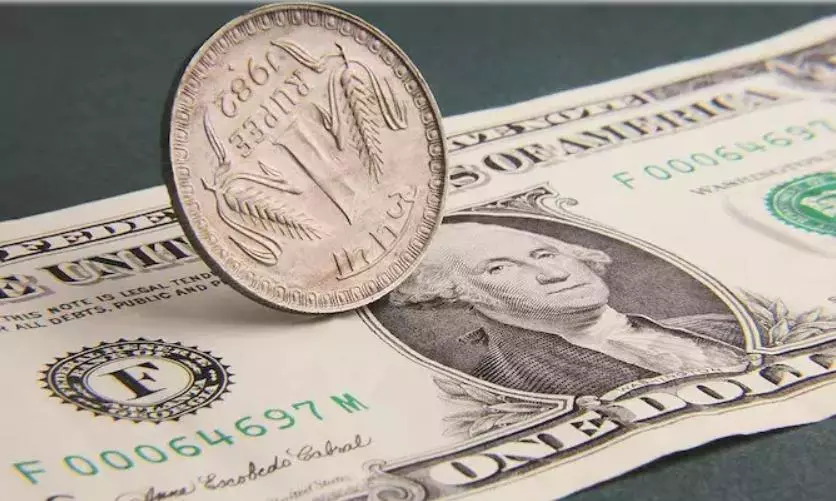
Mumbai: The Indian rupee on Thursday plunged 54 paise to a record low of 90.48 against the US dollar in intra-day trade as foreign portfolio investors continued to dump Indian equities and debt. In addition, a host of factors also worked against the domestic unit including the statement by India’s chief economic advisor that the Indo-US trade deal is likely to be inked by March 2026, Mexico’s plan to impose tariffs upto 50 percent tariffs on goods from Asia including India, higher yields in US and Japanese debt markets, and continued foreign institutional selling in government securities. At the interbank foreign exchange, the rupee opened at 90.30, made a high of 89.96, then lost ground and fell to a record intra-day low of 90.48, registering a 54-paise decline from its previous close. It ended the day at 90.36 against its previous close of 89.96 against the US dollar, down 0.4 per cent. Forex traders said that many stop-losses were triggered on long rupee positions when it fell below 90.42. According to a Reuters report, it is likely that the RBI intervened to help prevent further losses for the Indian rupee. It also added that the central bank’s intervention was mild and was mostly intended to slow down the fall instead of holding it to any specific level.
Anil Bhansali, head of treasury at Finrex Treasury Advisors said, “The RBI had been keeping the rupee under control for the last four to five days but allowed the level to be breached today. So, the rupee looks more and more vulnerable to a fall towards 91 much sooner than later. The talks between India and US will continue till 12th after which we may come to know whether the trade deal is happening or not.”
“The Euro-Rupee pair and the British Pound to Rupee pair have also moved to their all-time highs. The rupee is expected in the range of 90 to 90.75 tomorrow,” added Bhansali.
The Indian rupee has slipped 5 per cent this financial year, mainly due to US tariffs on India, widening CAD, higher global interest rates, heavy import bill (oil/electronics), and FII outflows.The REER has fallen from 108 in late 2024 to below 100, meaning the rupee has shifted from overvalued to slightly undervalued, making exports more competitive and imports costlier. It has been the third-poorest performer amongst 31 primary currencies, with only the Turkish lira and Argentina's peso showing greater losses. This downward trend is significant, coming at a time when the dollar's strength measure has reduced by more than 7 per cent. Foreign investors have pulled out nearly $18 billion from Indian stocks so far this year, making India one of the worst-hit markets in terms of portfolio outflows.
Meanwhile, Indian government bonds surged on RBI’s bond purchases along with a rally in US Treasuries following a Federal Reserve rate cut of 25 basis points that boosted demand. The benchmark 10-year yield settled at 6.6122%. It ended at 6.6649% on Wednesday, the
highest closing level for the 10-year paper so far this financial year that started on April 1.
