Against the negative growth in FY21 due to the pandemic, the two subsequent years saw a high growth from the low base. By FY24, the real wage growth was at a modest 5.5 per cent, lowest in the post-pandemic period. In FY25, real wages managed a growth of 7 per cent, as per Ind Ra.
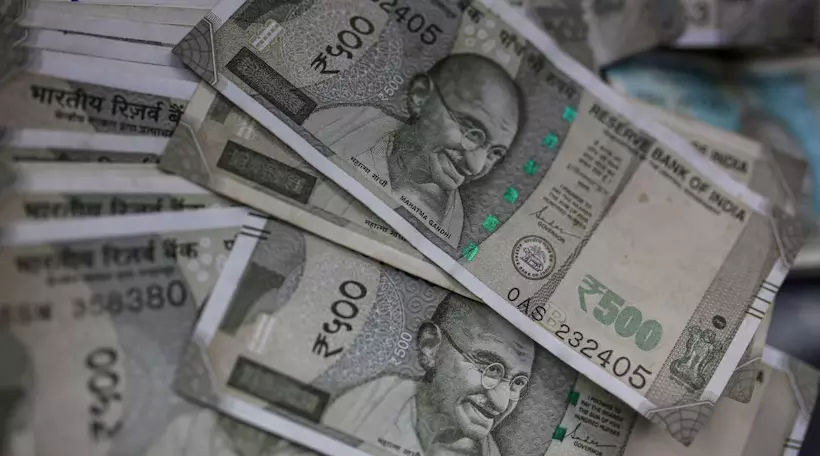
Chennai: From 5.5 per cent growth registered in FY24, real wages are estimated to have grown faster at 7 per cent in FY25 due to benign inflation led by a favourable monsoon-led steady agriculture growth. Despite the trade uncertainties, India Ratings expects real wage growth to grow by 6.5 per cent in FY26.
Against the negative growth in FY21 due to the pandemic, the two subsequent years saw a high growth from the low base. By FY24, the real wage growth was at a modest 5.5 per cent, lowest in the post-pandemic period. In FY25, real wages managed a growth of 7 per cent, as per Ind Ra.
The private sector commanded a 42.8 per cent share in the overall real wages in FY24. The decline in real wage growth in FY24 started emerging from Q2 when the sales growth of private companies started moderating which put a downward pressure on the topline and real wage growth as well. The decline in the real wage in the private sector largely emanated from the ‘real estate, ownership of dwelling and professional services’.
Though real wage growth in the public sector picked up to a five-year high of 5.2 per cent in FY24, public sector’s share in real wages bill edged down to 32.9 per cent in FY24. The ‘public administration and defence’ was largely responsible for this because government spending had increased as also indicated by the GVA growth of the sector which stood at a five-year high of 5.7 per cent.
Benign inflation due to the favourable monsoon-led steady agriculture growth helped real wage growth in FY25. Lower inflation is expected to provide support to real wages in FY26 as well. Ind-Ra expects private final consumption expenditure (PFCE) to grow 6.9 per cent in FY26. However, the real wage growth could face downward pressures in case there are any adverse weather shock events or disruption in the spatial progression of the monsoon and trade or geo-political issues.