Middles East Crisis Ups Aluminium Prices, New Battery Tech To Support Long-Term Demand

Ajay Kedia, Managing Director of Kedia Commodities, explains the drivers behind the aluminium rally, the impact of geopolitical risks, and the investment opportunities in the metal
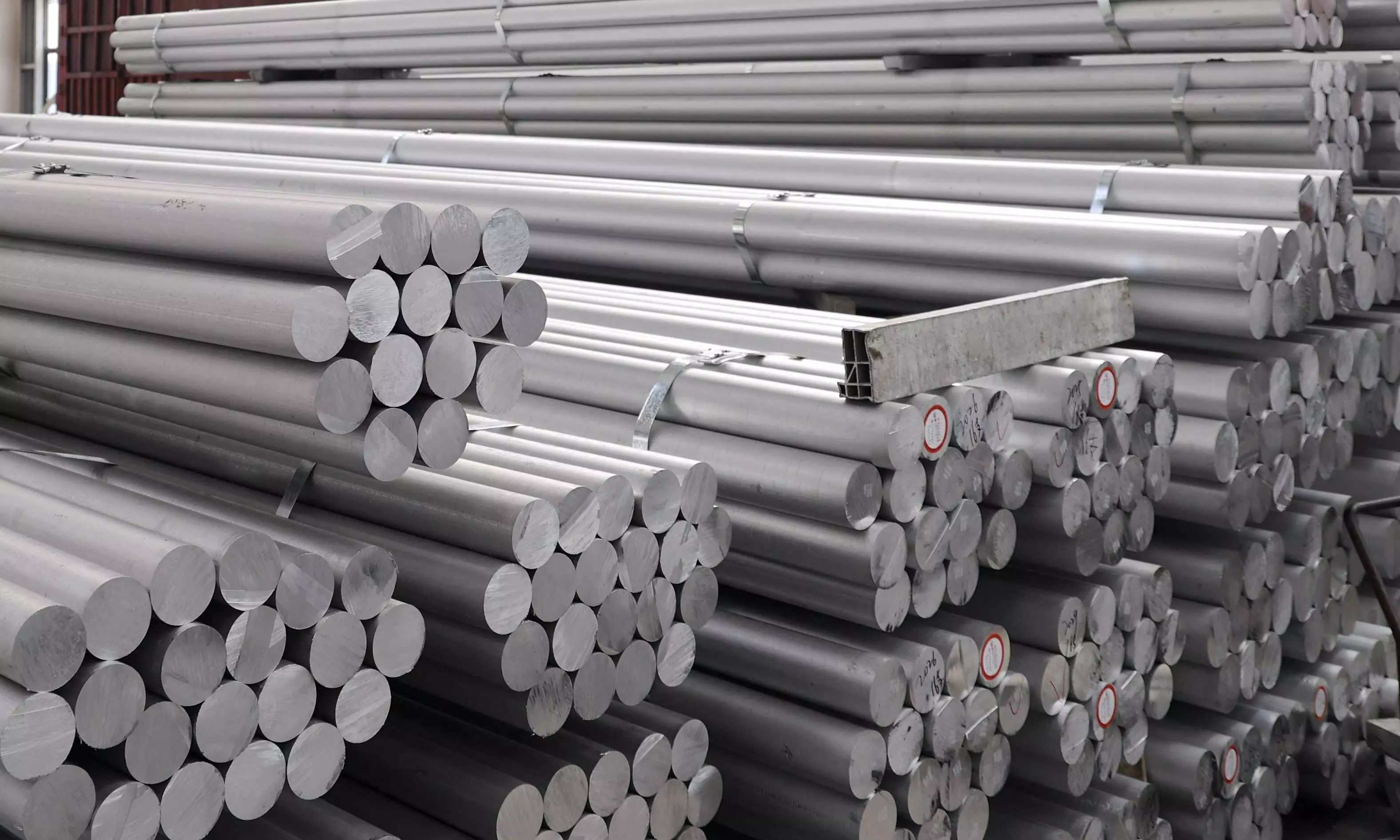
Chennai: Rising tensions in the Middle East and disruptions along key shipping routes have added fresh momentum to the rally in aluminium prices, which were already climbing on the back of strong demand and tightening supply. Emerging technologies such as aluminium-ion batteries—reportedly being explored by companies like Tesla—could open new avenues for long-term demand. Ajay Kedia, Managing Director of Kedia Commodities, explains the drivers behind the aluminium rally, the impact of geopolitical risks, and the investment opportunities in the metal.
Q) Tell me about the price movement in aluminium in the past few months, even before the Middle East crisis started, both in the international market and the domestic market. How has this been different from other base metals?
If we look at the past one year, aluminium prices have gained almost 25%. Since January alone we have seen around a 12% rise. This rally is not just because of the recent Middle East tensions; it has been building for the last six months. In fact, all base metals have gained during this period, but aluminium has been one of the strongest performers, with prices rising by more than 30% on the MCX. Similar trends have been seen on the LME as well.
In a typical commodity supercycle, energy prices tend to rise first, followed by bullion because investors move to safe-haven assets. Once the uncertainty stabilises, the consumption cycle starts and industrial commodities begin to move higher. Over the past year, the Dollar Index has been weakening and interest rates have been coming down. China has also introduced stimulus measures, which has supported the consumption story. All these factors have helped base metals like copper, zinc and aluminium move higher. So even before the Middle East tensions emerged, aluminium prices had already been rising sharply.
Q) What were the fundamentals supporting the metal’s price movement in the past year before the Middle East crisis began?
One of the key factors was supply constraints at smelters. Even China, which is one of the largest producers, has been cautious about expanding production. At the same time, the weakening of the Dollar Index and gradually improving global demand supported the market.
After the COVID period, the push towards clean energy significantly boosted demand for metals. Silver and copper initially performed very well because of their applications in renewable energy. But there is also a substitution chain in metals—silver can be replaced by copper, and copper can often be replaced by aluminium. As copper prices surged in the past six to eight months, industries increasingly looked at aluminium as a cheaper alternative. That also supported aluminium prices even before the geopolitical tensions started.
Q) Now that the Middle East crisis has started, how is it affecting the supply of aluminium and the prices?
The Middle East crisis has created new concerns on the energy and logistics front. Currently, aluminium prices are close to $3,450 on the LME and have already crossed the ₹340 mark on the domestic MCX. Since February 28, when uncertainty began to rise, shipping disruptions have threatened nearly 5.14 million tonnes of aluminium supply.
This is significant because global consumption of aluminium continues to rise in sectors such as packaging, automobiles and electronics. At the same time, inventories on the LME have dropped to around 446,875 tonnes, which is the lowest level in global warehouse stocks since July 2025. Production cuts at smelters such as the Mozal smelter in Mozambique, which reduced around 560,000 tonnes of primary aluminium output, have also tightened supply. These combined factors have resulted in a rally of more than 7% in aluminium prices in the past month alone.
Q) How exactly is the Middle East crisis supporting aluminium prices?
The Middle East plays an important role in global aluminium supply. China produces around 60% of the world’s aluminium, while the Gulf region accounts for roughly 8% of production. However, the region is even more important in terms of export routes.
When tensions escalated in the Middle East, supply concerns immediately emerged because China has already capped its production capacity. At the same time, some supply from Mozambique has been disrupted. On the other side, exports from Gulf countries have been affected because of shipping risks through the Strait of Hormuz.
The Gulf region accounts for around 9–9.5% of global aluminium production and produces nearly 6.5 million tonnes annually, with about 5.5 million tonnes exported. Since the sea routes from the region are critical for global supply, disruptions have pushed prices higher.
Q) Which industries could be affected if aluminium prices continue to rise?
Aluminium is used across a wide range of industries. Today, the packaging industry is one of the largest consumers. The automobile sector also uses significant quantities of aluminium, especially as manufacturers try to reduce vehicle weight.
Another important area is electrical infrastructure, where aluminium usage has been rising steadily. In addition, demand from the electric vehicle segment has increased significantly because aluminium’s lightweight nature improves energy efficiency. If prices rise further due to supply shortages, these industries could face higher input costs.
Q) Can China or Indonesia increase supply to fill the gap created by Middle East disruptions?
In the immediate term, that seems unlikely. China has already capped aluminium production due to environmental concerns and is unlikely to increase capacity quickly. Similarly, other producers will need time to ramp up production.
Several major producers in the Gulf region—including Emirates Global Aluminium in the UAE, Alba in Bahrain, Ma’aden Aluminium in Saudi Arabia and Qatalum in Qatar—depend heavily on shipping routes through the Strait of Hormuz. As long as these routes remain affected, supply concerns will continue and prices may stay elevated.
Q) There have been reports about Tesla exploring aluminium-ion batteries for electric vehicles. What impact could that have on aluminium demand in the long term?
Tesla has already indicated that it is moving towards sourcing low-carbon aluminium. One of the reasons is the cost difference between lithium and aluminium. Lithium prices are currently around $16,000, whereas aluminium is trading near $3,400.
There has been growing discussion around aluminium-ion battery technology, and Tesla has reportedly been exploring this area for the past few years. The company prefers to control its entire ecosystem, which is why it is experimenting with alternative technologies.
There are also reports that Tesla’s upcoming Model 2 could potentially use aluminium-ion batteries capable of delivering long driving ranges with fast charging. If such technology becomes commercially viable, it could be a major game changer not only for the EV sector but also for aluminium demand.
Q) What is your short-, medium- and long-term outlook for aluminium prices?
At present, aluminium prices are highly sensitive to developments in the Middle East. On the LME, prices are currently holding near the key level of $3,400. If the geopolitical situation continues to disrupt supply, prices could move towards $4,200–$4,300, which is also the range some major global banks are expecting.
In the domestic market, currency movements will also play a role. If the rupee weakens towards around 94–94.20 against the dollar, it could further support MCX aluminium prices, which may move towards ₹440–₹450 over the next year.
In the short term, prices could see some correction if supply concerns ease. However, over the next year I remain more bullish on aluminium than copper because aluminium can increasingly substitute copper in many applications due to its cost advantage.
Q) For Indian investors who want exposure to aluminium, what investment avenues are available?
Traditionally, base metals have been considered consumption commodities rather than investment assets. However, gold and silver have shown that commodities can also function as financial instruments.
Currently, investors can gain exposure to aluminium through global ETFs. Another option is mutual funds that invest in global mining companies linked to aluminium. Investors can also consider stocks of companies whose earnings are closely correlated with aluminium prices.
The fourth option is the futures market on the MCX, where aluminium contracts are available and investors can take positions by paying a margin.
Globally, the commodity market is larger than the stock market, but in India the ecosystem is still evolving. In equities, we started with the cash market and later introduced futures and options. In commodities, the physical market existed but was largely unorganised before futures trading developed.
Going forward, better alignment between spot and futures markets is required. India also needs more financial products such as commodity ETFs and multi-asset investment products. With the entry of structures like AIFs and specialised investment funds, commodities could increasingly become a recognised investment asset class. Until now, India has largely consumed commodities—but going forward, investors may also start viewing them as an investment opportunity.
