Micro Merchant Adoption Sees UPI QR Terminals Double In Five Months

Over the last 18 months, UPI's transaction volumes climbed from 12.2 billion in January 2024 to 18.4 billion by June 2025. In 1H 2025 alone, volumes surged 35 per cent year-on-year to 106.36 billion
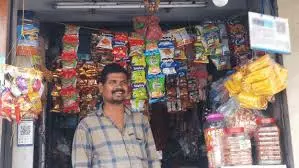
Chennai: Despite reports of micro merchants forsaking QR-code based digital transactions in some cities, UPI QR PoS terminals more than doubled in the first half of the year, growing from 321.38 million in January 2025 to 678 million in June 2025.
PoS terminals grew 29 per cent to 11.2 million from 8.6 million in Jan 2025. Of this, the highest growth was seen in UPI QRs, which went up 111 per cent to 678 million by June 2025. Bharat QR rose 12 per cent to 6.72 million.
According to Worldline India, micro-merchants were the catalysts of this growth. Government-backed programmes enabled instant onboarding at near-zero cost, while interoperable QR economics removed infrastructure barriers. Adoption has been increasing in smaller cities.
The PoS market continues to reflect the dominance of a few large acquirers. Scale, merchant relationships, and stronger technology integration keep the space concentrated, with private sector banks clearly leading. Public sector and foreign banks remain secondary players, highlighting how acceptance growth is unevenly distributed.
Top PoS deployers RBL Bank, Axis Bank, ICICI Bank, HDFC Bank, State Bank of India, IndusInd Bank, Yes Bank, Canara Bank, Kotak Mahindra Bank, and Bandhan Bank accounted for 97 per cent of terminals deployed as of December 2024.
Private Sector banks dominated the space with 83.8 per cent market share, while Public Sector Banks accounted for 16 per cent. Foreign banks have a 0.1 per cent market share.
Over the last 18 months, UPI's transaction volumes climbed from 12.2 billion in January 2024 to 18.4 billion by June 2025. In 1H 2025 alone, volumes surged 35 per cent year-on-year to 106.36 billion.
Moreover, there has been a decline in average ticket size from Rs 1,478 in 1H 2024 to Rs 1,348 in 1H 2025. Smaller spends at kiranas, delivery platforms, mobility services, and utilities demonstrate how QR codes have normalized as the default payment mode.
