Meghalaya Farmers Receive Carbon Payments for Planting Trees

19 Jun 2025 6:50 PM IST19 Jun 2025 6:50 PM IST
Launched in January 2024, the programme has already expanded to over 22,000 hectares of land and 10,400 farmers across the Khasi-Jaintia and Garo Hills regions
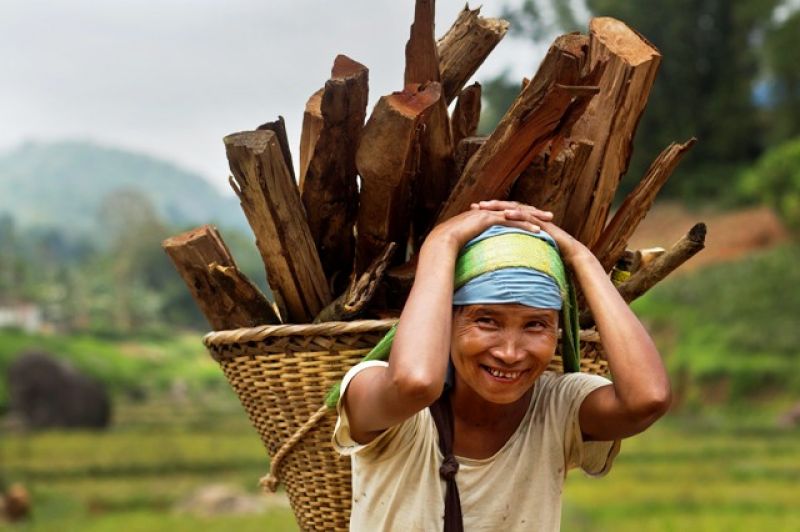
Representational Image
Chennai: The Meghalaya Carbon Agroforestry for Community Resilience and Ecosystems (MegCare) programme has disbursed its first carbon payments to farmers for sequestering carbon through multi species tree-based agroforestry in sites across this biodiversity hotspot.
MegCare is a pioneering partnership between Iora Ecological Solutions (IORA), Rabobank’s Acorn platform, and the Meghalaya Basin Development Authority (MBDA). Launched in January 2024, the programme has already expanded to over 22,000 hectares of land and 10,400 farmers across the Khasi-Jaintia and Garo Hills regions, enabling tree-based farming practices that improve biodiversity, secure springsheds, and store carbon in the soil and biomass.
“There is a huge potential for carbon finance in the state of Meghalaya, and as MBDA we wanted to partner with a programme that has high integrity and accountability. This is why we patterned with Iora and Rabobank Acorn to develop Megcare, a programme where maximum benefits go to the farmers and communities,” said Gunanka D.B, Executive Director & Addl. Project Director, MegLIFE and MegARISE
Farmers under MegCare receive carbon income based on the volume of carbon they remove through agroforestry. In this first round of payments, the sale price of each Carbon Removal Unit (CRU) reached EUR 40 – the highest per-tonne carbon payment ever made to farmers in India, and nearly four to five times the global average. This premium also reflects the true value of high integrity carbon removals that India can offer, and the growing demand for credible, community-based carbon removals in the voluntary market.
Iora’s dedicated team of 60 field and technical experts is now supporting the programme’s expansion, with a vision to establish 100,000 hectares of new agroforestry plantations and enhancement of 50,000 hectares of existing tree-based systems.
( Source : Deccan Chronicle )

Next Story