Inflation To Move Up Above 4 PC in FY27, GDP Growth To Ease to 6.5 PC

Rising fuel costs, supply risks to lift inflation, dent demand and growth outlook
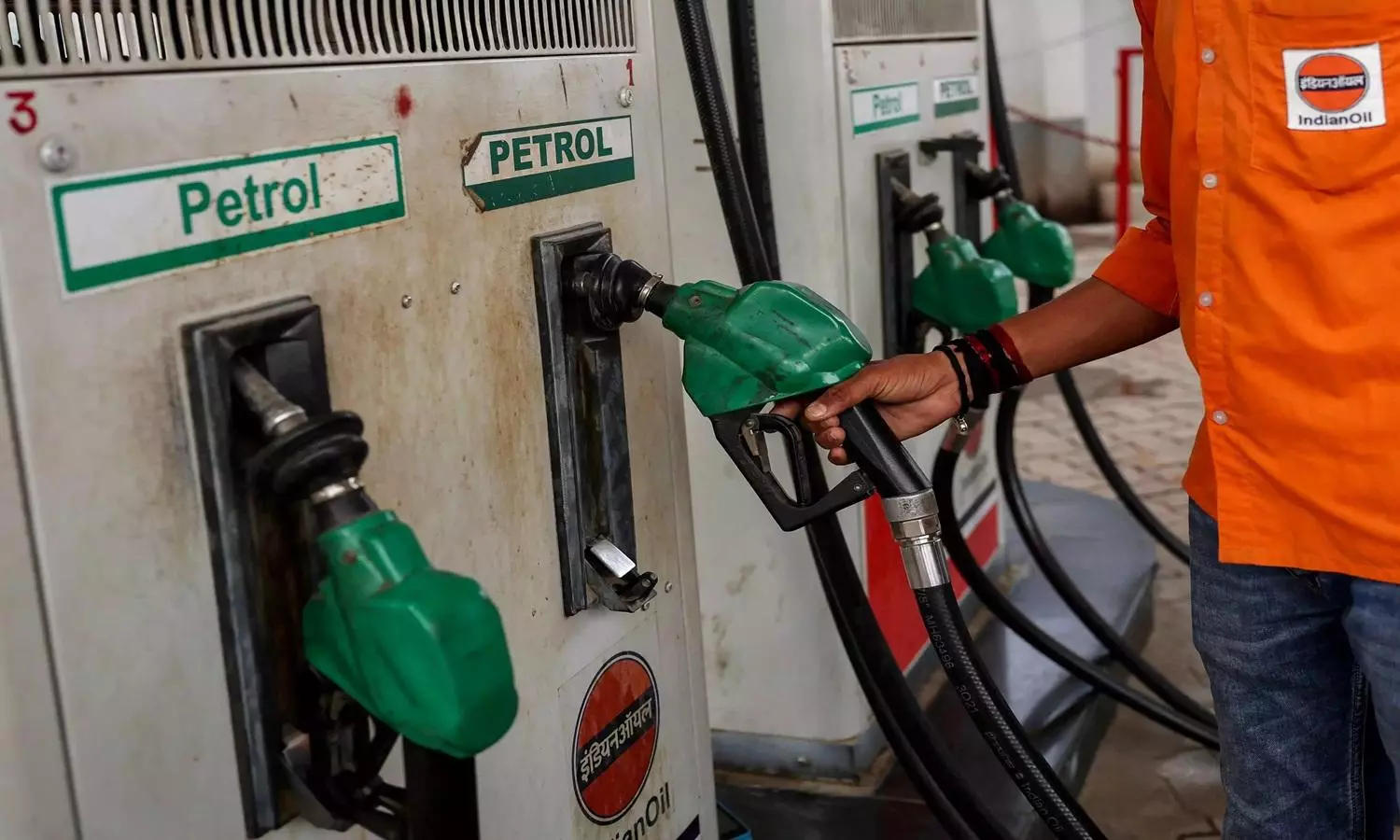
Chennai: With the West Asia crisis impacting the fuel prices and availability, CPI inflation is expected to move up to 4.1 - 4.3 per cent in FY27, find rating agencies. The GDP growth could also ease to 6.5 per cent in FY27 from 7.5 per cent estimated for FY26.
The ongoing conflict in West Asia has led to a surge in energy prices and impacted availability, which could lead to higher inflation, impacting consumer demand.
The average CPI inflation is anticipated to more than double to 4.3% in FY2027 from the 2.1% estimated for FY2026, with risks tilted to the upside owing to the extent of the revision in retail fuel prices as well as potential El Nino developments in the latter part of the fiscal. Besides, WPI inflation is expected to surge to 3.5% in FY2027 from 0.7% estimated in FY2026, led by rising global energy and commodity prices, finds ICRA.
According to India Ratings, FY27 inflation is projected at 4.1 per cent on average, with possible spikes above 4 per cent in the first and third quarters. If the crude oil price increase is passed through fully, inflation can go up to 6.9 per cent, if it is passed through by half, inflation could be 5.1 per cent and if it is one-third 4.6 per cent. Overall, if high prices and supply issues persist, the government is likely to follow a pricing policy, which would see inflation in the 4.0 per cent–4.5 per cent range.
Further, the higher fuel prices can affect the GDP growth as well. Assuming an average crude oil price of $85/bbl in FY2027, ICRA projects the real GDP growth to ease to 6.5 per cent in the fiscal from 7.5 per cent estimated for FY2026. In nominal terms, the GDP growth (2022-23 base) is projected to improve to ~10.5% in FY2027 from 8.6% estimated for FY2026, amid the expected pickup in WPI and CPI inflation compared to FY2026.
Lower US tariffs, hike in Central Government capex, favourable outlook for domestic consumption owing to lower GST rates, rate cuts, subdued food inflation augur well for the growth outlook. However, the ongoing conflict in West Asia has led to a surge in energy prices and impacted availability, which would hurt corporate profitability and could lead to higher inflation, impacting consumer demand.
Higher global energy prices will adversely impact fiscal deficit in FY2027, led by a rise in fertiliser and fuel subsidy requirements, lower dividend pay-out by oil marketing companies (OMCs), and lower excise duty and corporate tax collections. ICRA expects upside risks to its baseline projection for the fiscal deficit of 4.5 per cent of GDP in FY2027 against the Budget Estimate of 4.3%.
