India’s Russian Oil Purchase to Reduce in Short-Term, Complete Replacement Unlikely: Kpler

The US sanctions came just days after the UK added Rosneft and Lukoil — alongside China’s Yulong Petrochemical and India’s Nayara Energy — to its blacklist. Since then, China’s state-owned refiners have reportedly halted Russian crude purchases, while Indian refiners appeared to have continued trading.
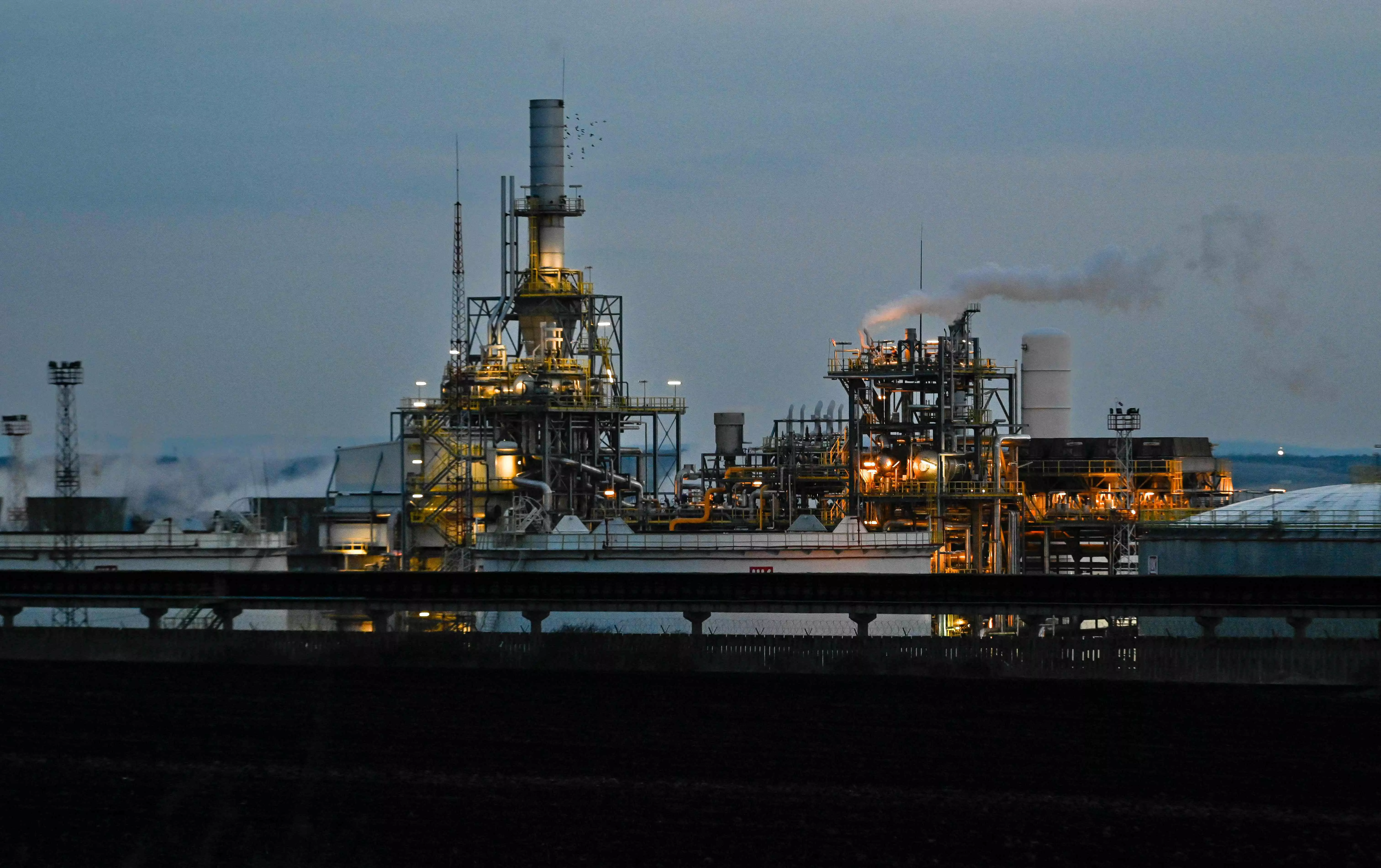
Chennai: US sanctions on Russian oil companies are expected to reduce India’s buying in the short-term, but a swift and complete replacement remains highly unlikely, finds Kpler. Companies like Reliance, which are under term contracts with the sanctioned Russian producers, are likely to resume heavy buying once the supply chain is rearranged, it said.
The US sanctions came just days after the UK added Rosneft and Lukoil — alongside China’s Yulong Petrochemical and India’s Nayara Energy — to its blacklist. Since then, China’s state-owned refiners have reportedly halted Russian crude purchases, while Indian refiners appeared to have continued trading. Chinese and Indian firms generally take a cautious approach toward US sanctions, wary of potential secondary implications, although the OFAC statement did not explicitly specify any secondary measures.
The US sanctions on Rosneft and Lukoil are expected to reduce India’s buying in the short-term. As per reports, Indian refiners are reviewing the bills of lading for Russian oil cargoes arriving after the wind-down period ends on November 21.
At the same time, refiners in India, China, and Türkiye are expected to conduct internal risk assessments on dealings with the sanctioned Russian firms while waiting for clarifications from their governments, as the decision on whether to continue taking Russian barrels could extend beyond purely economic considerations. That could lead to barrels missing the deadline lingering on the water or being resold — at steep discounts — to refiners willing to take the risk.
Companies under term contracts with the sanctioned Russian producers — such as Reliance and PetroChina — will reduce buying activity of barrels supplied by Rosneft and Lukoil in the short-term but are likely to resume heavy buying once the supply chain is rearranged.
Refiners in China and India would scramble for prompt cargoes to fill the supply gap left by reduced Russian flows. Middle Eastern crudes such as Basrah Medium, Abu Dhabi’s Upper Zakum, and Qatar’s Al-Shaheen are expected to attract strong buying interest given their similar quality to Urals, relatively short voyage, and lower prices this month. At the same time, the near-flat Brent–Dubai EFS and the softened Brent structure are likely to encourage Chinese and Indian refiners to step up purchases of long-haul cargoes from the Atlantic Basin.
Short-term reductions may lead to crude inventory drawdowns in both countries, along with potential refinery run adjustments in the coming weeks. Still, as China and India together import around 2.7–2.8 mbd of seaborne Russian crude, a swift and complete replacement remains highly unlikely, also due to geopolitical reasons.
