India’s Coal Reliance Shields Power Supply Amid Energy Crisis

Amid supply disruptions in oil and gas, India’s high dependence on coal-based electricity generation, though often criticised, is proving beneficial
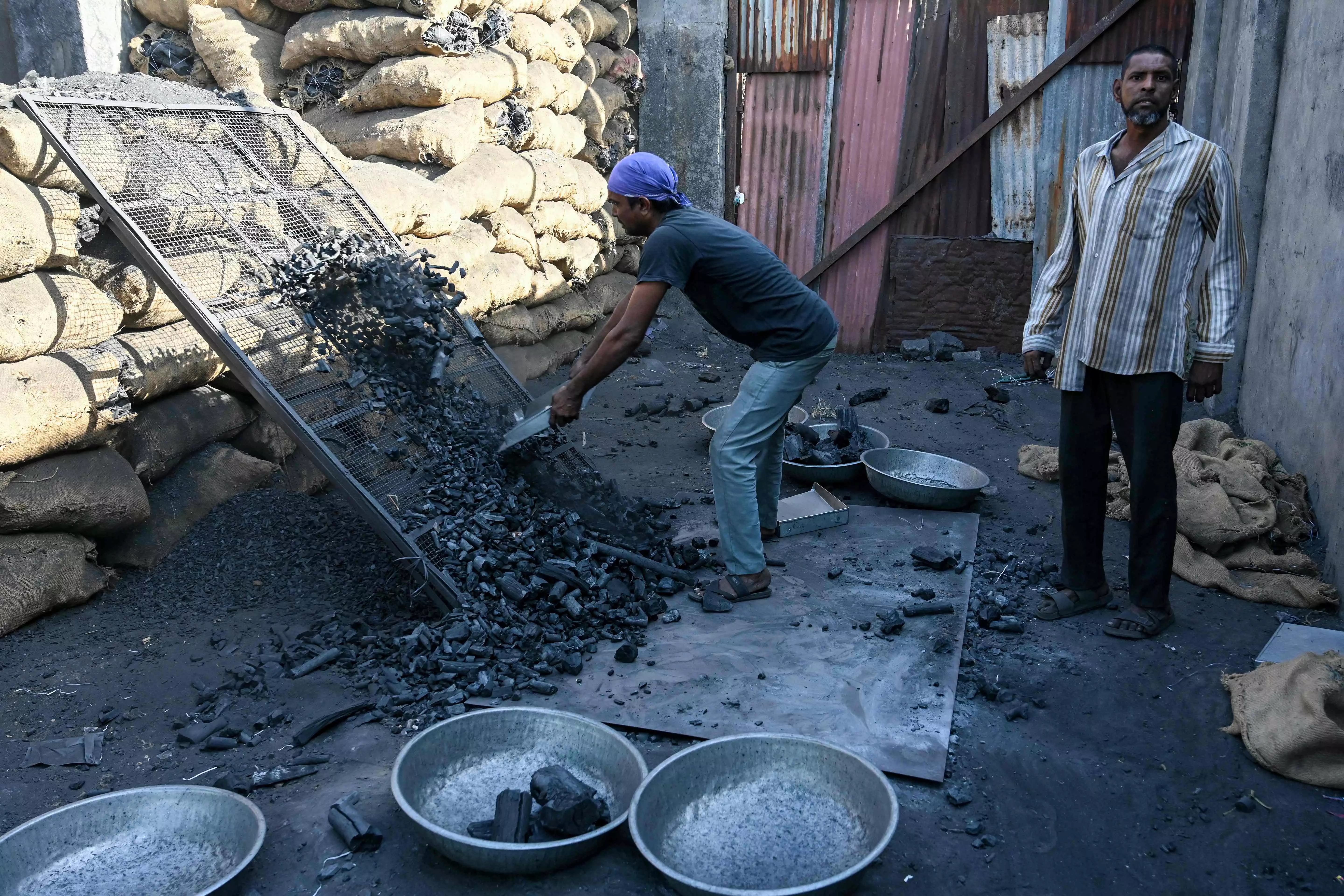
Mumbai: India’s energy policy mix is proving to be a major insulating force in the current energy crisis, according to a report titled “India’s Coal Shield in the Current Energy Crisis.”
Amid supply disruptions in oil and gas, India’s high dependence on coal-based electricity generation (69–74 per cent), though often criticised, is proving beneficial. In contrast, other Asian countries like Taiwan, Hong Kong, Singapore and Thailand, which rely heavily on oil- and gas-based power generation, are facing greater challenges, the report by Equirus Securities said.
India’s grid remains largely coal-dependent. As per 2023 electricity production data, coal-fired power accounts for 74.4 per cent, followed by natural gas (3.0 per cent), hydropower (7.2 per cent), solar PV (6.0 per cent), wind (4.7 per cent), nuclear (2.4 per cent) and oil (0.2 per cent).
“Coal’s share in total electricity generation has increased from 67 per cent in 2010 to around 75 per cent in 2023. The share of natural gas has dropped from around 11 per cent in 2010 to just 3 per cent, reflecting both price volatility and domestic supply constraints. Solar and wind generation now contribute around 11 per cent of the total, up from around 2 per cent in 2010 — a notable achievement,” the report said.
“Singapore, which depends on oil and gas for 92–95 per cent of its electricity generation and has little to no domestic supply, is the most exposed. Hong Kong, Thailand and Taiwan follow, each heavily reliant on imported gas with limited fallback capacity. At the other end are China and India, where coal-driven systems, often criticised, are offering reassurance amid the current crisis,” it added.
“Sourcing nearly 85 per cent of its crude oil and 60 per cent of its natural gas — much of which transits through the Strait of Hormuz — India’s exposure to Middle East supply disruptions is broad and structural. Petrochemicals, fertilizers, packaging, transportation, paints and household consumption are all at high risk from such disruptions,” the report noted.
“However, a key point is that this is unlikely to threaten the physical availability of electricity in the way it does in gas-dependent economies like Singapore, Thailand or Taiwan. Even if costs rise, Indian factories are likely to continue operating,” Equirus Securities said.
