India Proposes Big-Ticket US Imports to Bridge Trade Surplus

28 April 2025 11:22 AM IST28 April 2025 11:22 AM IST
In order to bridge the trade surplus with the US, India has proposed to increasingly buy a few products from the US
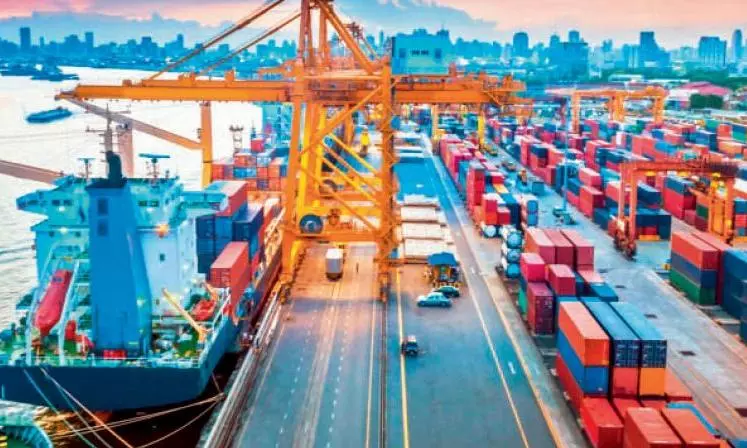
India may not open up the automobile sector fully for American cars. (Representational image: File)
As part of the ongoing Bilateral Trade talks, India has proposed to buy more shale gas petroleum, petrochemicals, polymer, defence equipment, aircrafts, high-tech chips and cars within a certain value threshold to bridge the trade surplus with the US. The BTA deal on merchandise trade, which will be concluded within the 90-day period, will see India relaxing several non-tariff measures for the US imports.
“The bilateral talks are progressing well and India will be the first country to enter the trade agreement among those who have evinced interest in striking deals with the US. As the first phase, an agreement on merchandise trade will be signed before the 90-day period. Those related to services, investment and e-commerce will be discussed later,” said Ajay Sahai, director general of FIEO.
In order to bridge the trade surplus with the US, India has proposed to increasingly buy a few products from the US. The list includes petroleum from shale gas, petrochemicals, polymer, defence equipment, aircrafts and high-tech chips.
In the case of cars, India will concede to buying vehicles under a certain CIF (Cost, insurance and freight) value threshold. The duties of these cars will be brought down significantly. India may not open up the automobile sector fully for American cars.
While the US wants India to buy its dairy products, there are issues related to non-vegetarian feed given to American cows as Indian vegetarian buyers will reject such products. This was an issue that came up during the trade talks with the European Union as well. “There were suggestions from the US side on exporting milk procured from cows fed in the rainforest regions. However, that requires different packaging and labelling and at present looks difficult to be accomplished,” said Sahai. India also has not relaxed its stand on import of genetically modified food products.
Under the current talks, the US has not insisted on India lowering agricultural subsidies, which was a constant demand for years. The demand to relax patent norms that would lead to evergreening of patented pharmaceuticals also may not figure in the trade deal.
India will, instead, relax several non-tariff measures. India will fast-track the Quality Control Order process for American products. The licensing requirements, and technical barriers on imports also may be relaxed.
“The bilateral talks are progressing well and India will be the first country to enter the trade agreement among those who have evinced interest in striking deals with the US. As the first phase, an agreement on merchandise trade will be signed before the 90-day period. Those related to services, investment and e-commerce will be discussed later,” said Ajay Sahai, director general of FIEO.
In order to bridge the trade surplus with the US, India has proposed to increasingly buy a few products from the US. The list includes petroleum from shale gas, petrochemicals, polymer, defence equipment, aircrafts and high-tech chips.
In the case of cars, India will concede to buying vehicles under a certain CIF (Cost, insurance and freight) value threshold. The duties of these cars will be brought down significantly. India may not open up the automobile sector fully for American cars.
While the US wants India to buy its dairy products, there are issues related to non-vegetarian feed given to American cows as Indian vegetarian buyers will reject such products. This was an issue that came up during the trade talks with the European Union as well. “There were suggestions from the US side on exporting milk procured from cows fed in the rainforest regions. However, that requires different packaging and labelling and at present looks difficult to be accomplished,” said Sahai. India also has not relaxed its stand on import of genetically modified food products.
Under the current talks, the US has not insisted on India lowering agricultural subsidies, which was a constant demand for years. The demand to relax patent norms that would lead to evergreening of patented pharmaceuticals also may not figure in the trade deal.
India will, instead, relax several non-tariff measures. India will fast-track the Quality Control Order process for American products. The licensing requirements, and technical barriers on imports also may be relaxed.
( Source : Deccan Chronicle )

Next Story