India 2nd Largest Arms Importer Globally: Sipri

India accounted for 8.2 per cent of global arms imports in 2021–25, down from 9.3 per cent in 2016–20.
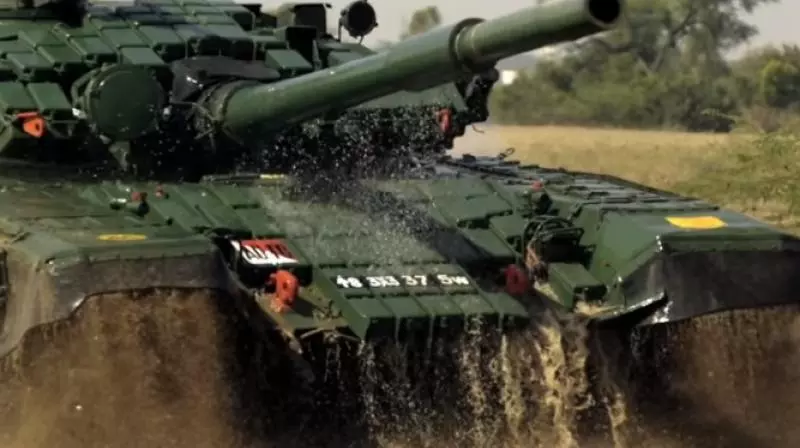
India was the world’s second largest recipient of major arms in 2021–25, just behind Ukraine, despite a slight slowdown in imports, according to the Stockholm International Peace Research Institute (SIPRI).
India accounted for 8.2 per cent of global arms imports in 2021–25, down from 9.3 per cent in 2016–20. Imports fell by 4 per cent, attributed partly to the Modi government’s Make-in-India push and India’s growing ability to design and produce its own weapons, though domestic production often faces delays.
Sipri noted that India’s recent and planned orders — including up to 140 combat aircraft from France and six submarines from Germany — indicate continued reliance on foreign suppliers. Arms imports are driven by tensions with China and Pakistan, which have repeatedly led to armed conflict, including a brief clash in May 2025.
India has shifted away from Russia towards Western suppliers such as France, Israel and the USA. Russia’s share of Indian imports fell from 70 per cent in 2011–15 to 40 per cent in 2021–25.
Globally, Ukraine was the largest recipient of arms in 2021–25, with 9.7 per cent of imports, compared with just 0.1 per cent in 2016–20. Saudi Arabia ranked third with 6.8 per cent, Qatar fourth with 6.4 per cent, and Pakistan fifth with 4.2 per cent — its imports rising 66 per cent, 80 per cent of them from China.
On the export side, the United States remained dominant, accounting for 42 per cent of global arms exports, up 27 per cent from 2016–20. France was second with 9.8 per cent, while Russia’s share shrank to 6.8 per cent. Germany overtook China to become the fourth largest exporter, with nearly a quarter of its exports going to Ukraine.
Sipri’s Mathew George said: “Deliveries to Ukraine since 2022 are the most obvious factor, but most other European states have also started importing significantly more arms to shore up their military capabilities against a perceived growing threat from Russia.”
