GCC Hubs To Come Up Across Odisha; Cabinet Clears New Policy For Minor Minerals

State targets over Rs 1,000 crore investment, boosts incentives to attract GCC relocations; e-lottery to replace auctions for sand, stone and other minor minerals: Reports
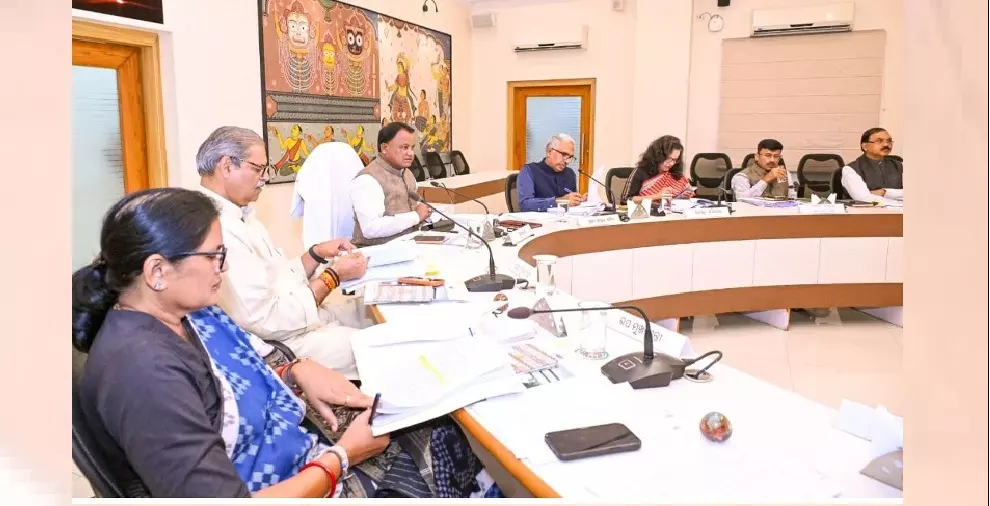
BHUBANESWAR: Odisha is set to position itself as an emerging hub for Global Capability Centres (GCCs), with the state cabinet on Friday approving a roadmap to attract major investments in the rapidly expanding sector. Chief Secretary Manoj Ahuja said the state expects over Rs 1,000 crore in investment as several cities—Bhubaneswar, Cuttack, Puri, Paradip, Bargarh, Jharsuguda and Sambalpur—have been identified for setting up world-class GCC facilities.
Ahuja said the state government has formulated an exclusive GCC policy designed to give Odisha a competitive edge over other states. “As many as five major GCC hubs will be established. We are offering enhanced subsidies for companies willing to relocate from Bengaluru and operate out of co-working spaces here. The sector is growing rapidly, and we expect significant job creation,” he said. The incentives, he added, are aimed at positioning Odisha as a preferred destination for high-skill global operations spanning IT, finance, engineering and analytics.
The cabinet also cleared two key proposals from the steel and mines department, including major amendments to the Odisha Minor Mineral Concession Rules, 2016. Following reports of inflated auction prices for sand, stone and other minor minerals—leading to higher market rates and supply distortions—the state has approved a shift from competitive bidding to a streamlined e-lottery system.
Under the new framework, the government will determine prices and levy an additional charge instead of relying on floor-price-based auctions.
“Transparency will improve under the e-lottery mechanism. The government can now reserve up to 40 per cent of production and release it during shortages to stabilise supply,” Ahuja said. Mines will also be allowed to scale up production before the monsoon and maintain stocks in designated yards, with technology-enabled monitoring ensuring compliance.
To curb hoarding and ensure fair competition, the government has capped the number of mines any individual can operate—three per district and five statewide. Operators who fail to run mines after securing rights will face blacklisting and penalties.
The policy overhaul, officials said, is expected to stabilise mineral prices, end monopolistic practices and ensure smoother supply across sectors.