Freight Rail Corridor Saves Logistics Cost By $58 Million

Three Eastern Dedicated Freight Corridor (EDFC) projects led to the construction of 1,200 km of newly built tracks from 2011 to 2024. This investment is delivering major gains in efficiency, environment, economic competitiveness, and regional development, the bank said
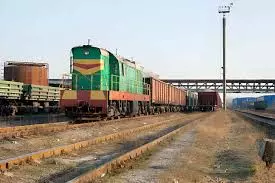
Chennai: Dedicated freight rail corridor has reduced logistics cost by $58 million while increasing freight train capacity by four-fold and improving operational speed, finds the World Bank.
Three Eastern Dedicated Freight Corridor (EDFC) projects led to the construction of 1,200 km of newly built tracks from 2011 to 2024. This investment is delivering major gains in efficiency, environment, economic competitiveness, and regional development, the bank said.
The EDFC projects have dramatically expanded rail capacity. On EDFC’s first section, daily freight train capacity increased four-fold, from 32 train pairs to over 130, boosting service reliability and customer satisfaction. Train operational speeds were increased significantly, with freight trains now operating at three times the speed of conventional services, reducing logistics costs by $58 million, and making rail more competitive for logistics providers.
By shifting freight to dedicated tracks, the projects also freed up capacity on the conventional rail network. On the Khurja–Kanpur section alone, daily passenger train services increased from 69 to 128, improving frequency and punctuality for millions of rail users.
Each kilometre-long freight train on the EDFC replaces about 72 trucks, helping to reduce highway congestion, improve safety, and lower air pollution. This shift is expected to save India approximately Rs 4.9 billion ($58 million) in logistics costs and Rs 2.4 billion ($28 million) in pollution-related health and environmental costs, over the lifetime of the project. These changes mean faster, cleaner, and more affordable goods movement, improving both business efficiency and air quality. Building on earlier EDFC investments, the Rail Logistics Project, launched in 2022, aims to enhance the efficiency of freight and passenger transport while reducing greenhouse gas emissions (GHG).
The World Bank closely collaborated with the Japan International Cooperation Agency (JICA) for the freight corridor project. JICA financed parts of the Western Dedicated Freight Corridor (WDFC), while the World Bank-financed Rail Logistics Project supports the EDFC.
