Forex Reserve Comfortable To Cover 10-11 Months’ Imports

20 May 2026 8:47 PM IST20 May 2026 8:47 PM IST
The present issue is more a 'crisis of confidence' rather than an economic crisis and the situation demands reforms, finds Prabhakar Kudva, Director and Principal Officer, Portfolio Management Services, Samvitti Capital
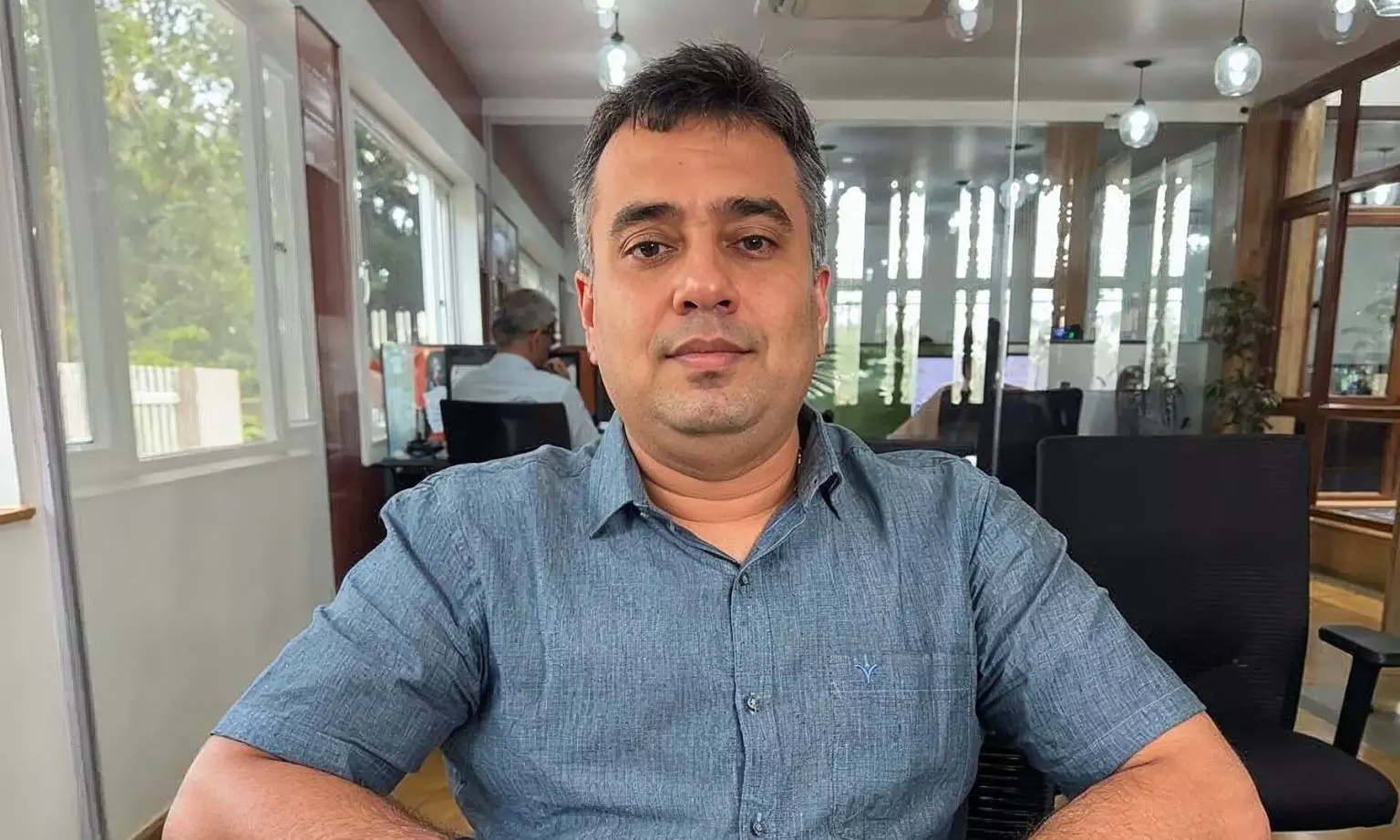
Prabhakar Kudva, Director and Principal Officer, Portfolio Management Services, Samvitti Capital.
Chennai: India’s foreign exchange reserves of around $690 billion remain comfortable enough to cover 10-11 months of imports, well above the six-seven months generally considered adequate by economists, according to Prabhakar Kudva, Director and Principal Officer, Portfolio Management Services at Samvitti Capital. However, to tide over the current 'Crisis of Confidence', India needs reforms to attract foreign money, more than relying on curbs on consumption.
Kudva said the country is not facing an economic crisis similar to the 1991 balance of payments crisis, but rather a “crisis of confidence” triggered by geopolitical uncertainty, rupee weakness and foreign investor outflows.
“India has come a long way since 1991,” Kudva said, pointing out that the country’s forex reserves were barely $1-1.5 billion during the crisis period. Reserves rose to around $200-250 billion during the 2008 global financial crisis and later crossed $500 billion in the post-pandemic period before touching nearly $700 billion now.
While the Reserve Bank of India has used part of the reserves in recent months to support the rupee, Kudva said the current position remains far stronger than during earlier crises.
The pressure on the rupee, he said, stems from a combination of factors including the Iran-US conflict and the resulting uncertainty over crude oil prices, heavy foreign institutional investor (FII) outflows and concerns over the long-term sustainability of India’s IT services model amid the rapid rise of artificial intelligence.
“All these factors together are creating speculative pressure on the rupee,” he said, adding that the currency is nearing the psychological level of 100 against the US dollar.
Kudva identified crude oil as the single biggest pressure point for India’s forex reserves because it is an unavoidable and structural import essential for industries and economic activity. Electronics imports and gold imports are also significant contributors to forex outgo, while FII outflows have added to the pressure in recent months.
He said India could again consider measures such as FCNR deposit schemes that were successfully used during earlier periods of forex stress. Under the FCNR scheme introduced during the tenure of former RBI Governor Raghuram Rajan, NRIs were offered attractive fixed returns while RBI absorbed the currency risk, helping attract nearly $30 billion in inflows within a short period.
Such inflows strengthen the rupee as depositors sell dollars and buy rupees, while also boosting investor confidence and discouraging speculative bets against the currency, Kudva said.
He also stressed the importance of increasing remittances from NRIs, which he described as more stable than FII or FDI inflows because they are structural and less prone to sudden reversals.
Simplifying remittance procedures, reducing transaction costs and enabling seamless UPI-linked remittances, especially from countries such as the UAE, could significantly improve inflows. However, confidence in the rupee remains critical for attracting more NRI money into India.
On the government’s recent decision to raise import duties on gold and silver, Kudva said the impact may only be temporary because gold purchases in India are closely tied to weddings, cultural practices and investment behaviour. Gold also serves as a hedge against inflation and rupee depreciation, he noted.
Instead of relying mainly on import curbs, Kudva said the government should focus on attracting more dollar inflows through reforms, investor-friendly policies and export growth.
IT services, business services, Global Capability Centres (GCCs) and data centres as sectors capable of generating significant forex inflows in the near term.
“There is no easy short-term solution because crude imports cannot be avoided,” Kudva said. “The sustainable solution lies in restoring confidence in the rupee and attracting more investments into the country.”
( Source : Deccan Chronicle )

Next Story