India is Bigger Than UAE in Aviation: Etihad CEO

Etihad brings 1.9 million tourists to India, which is central to our growth. But traffic rights are capping expansion, says Etihad Group CEO Antonoaldo Neves at Wings 2026 in Hyderabad
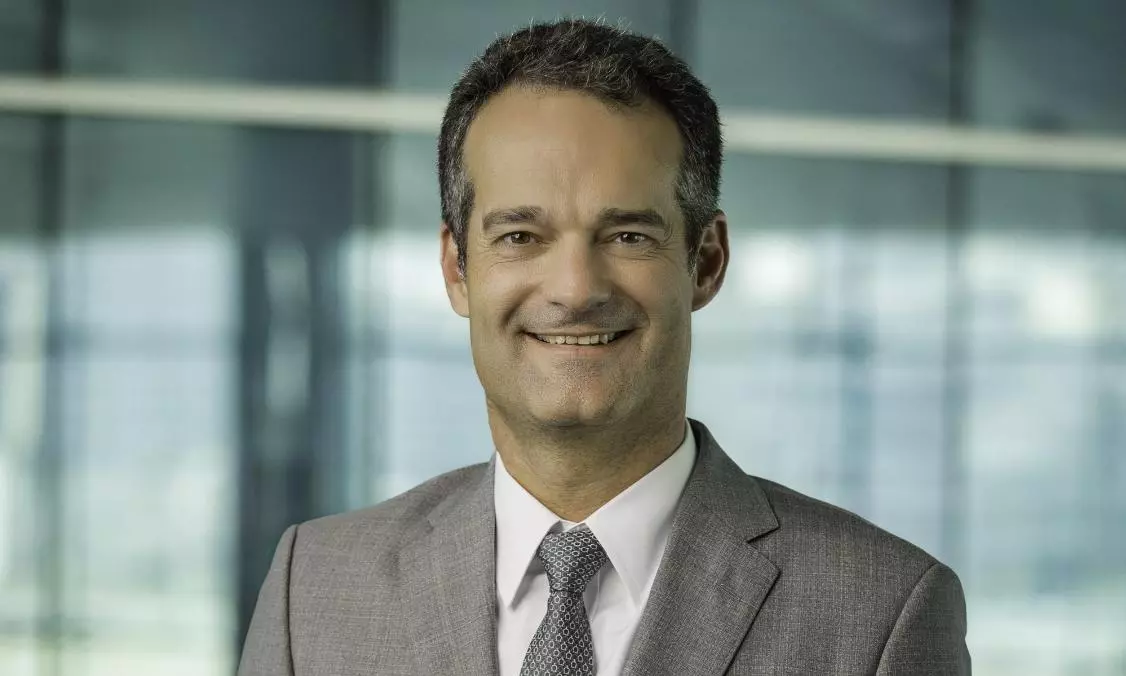
Hyderabad: Speaking at Wings India 2026 in Hyderabad, Antonoaldo Neves, Group CEO of Etihad Aviation Group, struck an upbeat but candid note on the airline’s performance, growth ambitions, and the realities shaping its India strategy.
“So we are closing the year on a good note,” Neves said. “In 2025, we grew 20% overall. We are making money, margins are healthy, and we are going to be one of the most profitable airlines in the world, probably in the top 10%.”
Etihad’s scale-up has been rapid. “We came from about 10 million passengers three years ago. Today, if you annualise what we are doing, we are already at 25 million passengers per year,” he said, adding that the airline is currently carrying “about 2.1 to 2.2 million passengers per month.” The fleet now stands at 125 aircraft, with more than 30 destinations announced this year alone.
India, Neves emphasised, remains a strong and strategically important market, but one constrained by bilateral limits. “In 2025, we did not grow in India because the traffic rights are all taken. It’s not a concern. It’s just a fact,” he clarified.
Etihad currently carries around 3.7 million passengers a year on India routes, both ways. “Out of that, we bring 1.9 million people into India,” Neves said. “There’s a misconception that we are here to take passengers away. In reality, we bring people to India—tourists, families, visitors. Jaipur is a big destination for us.”
While flows are close to balanced, Neves noted nuances beneath the headline numbers. “Point of sale is 60–40, with 60% overseas. That tells you people are coming into India. Europeans are travelling, spending money.”
Despite the demand, Etihad has no immediate plans to add capacity to India. “If I don’t have traffic rights in India, I fly to Thailand, I fly to Hong Kong.”
Neves pointed out that Indian carriers still have unused entitlements. “There are still about 10,000 seats per week available on the Indian side. Indian carriers can add four to five daily flights to Abu Dhabi today, and we welcome that,” he said. “The more people fly back and forth, the market grows and everyone benefits.”
He expects movement once those entitlements are fully utilised. “I think it’s going to unlock discussions. I believe this can happen in the next six months.”
Asked whether the situation amounts to protectionism, Neves was measured. “The consequence is protectionism, but I don’t think that is the strategic intent,” he said. “If the intent is to give Indian carriers time to grow, I would think differently, but I don’t do public policy.”
India’s aviation growth, he said, is undeniable. “India is doing more than 200 million passengers a year, double than what it did ten years ago. Very few places in the world grow like that. India today is bigger than the UAE in aviation.”
Looking ahead, Neves said India accounts for “about 15% to 20% of our future growth,” but Etihad has flexibility. “If India doesn’t give us traffic rights, we shift to other markets like Vietnam, Thailand, Europe, the US. The world can absorb our growth.”
However, he sounded optimistic when he signed off, saying, “India is important for us. If traffic rights open up and aircraft are available, we are ready.”
