Plan under study to balance consumer rights and lender security
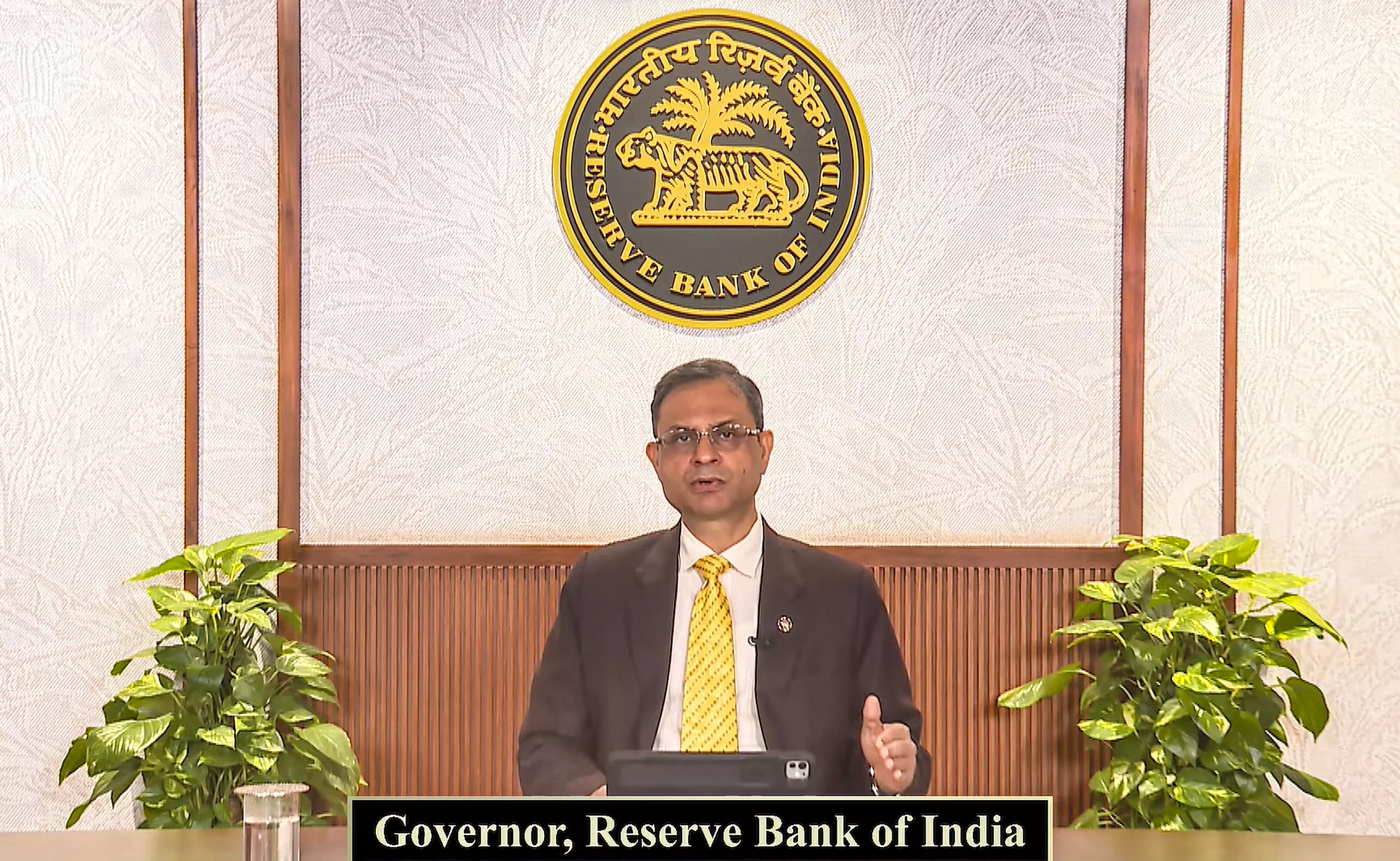
Mumbai: The Reserve Bank of India (RBI) is examining a proposal to remotely lock mobile phones bought on credit in case of default in Equated Monthly Instalments (EMI), its governor Sanjay Malhotra said on Wednesday. The central bank also clarified that there is no proposal to levy any charge on Unified Payments Interface (UPI) transactions.
Speaking to reporters at the post-Monetary Policy Committee press conference, Malhotra said that banks cannot arbitrarily be allowed to block or lock phones for non-payment as in the case of other loans, such as auto loans.
“However, the matter is under consideration as we have arguments from both sides (consumers and lenders). These arguments are being looked at. Our main objective is to protect consumer rights and data privacy.
Consumer rights are of paramount importance to us… At the same time, we will see how lenders’ interest can be safeguarded. The matter is being examined at present.”
M Rajeshwar Rao, deputy governor who is in charge of banking regulation, added, "The issue is under examination as the governor has pointed out. There are pros and cons on both sides, in terms of balancing the customer rights and requirements of data privacy, and also the creditor's requirements."
The demand from lenders has risen after the number of defaults in small-value consumer loans have shot up. A 2024 study by Home Credit Finance revealed that more than one-third of Indian consumers purchase electronics, including mobile phones, through small loans. According to reports, the idea is not new as last year, the RBI had asked lenders to stop locking phones of defaulters via loan-linked apps. Due to rising defaults, lenders were remotely disabling devices through software installed at purchase. At present, banks can seize a vehicle or a house if a person default on his EMIs.
Meanwhile, the central bank affirmed that UPI transactions will continue to remain free for all users.
The governor also said that the RBI Innovation Hub (RBIH) is developing the Digital Payments Interface Platform (DPIP) to flag risky transactions to users and banks before they are executed. DIPP is designed to collect information from available data sources such as mule accounts, telecom networks and geographies from where risky transactions typically emerge. An artificial intelligence (AI) system is being trained on this data to alert users and banks of potentially fraudulent payments. “Our constant effort is to stop fraudulent transactions from one account to another. We are developing software that is still under testing and not fully implemented. Once complete, it will enable us to gather all necessary information and warn users of potentially risky transactions in advance,” Malhotra said.

