Sync Road and Rail Freight to Cut Diesel Use

India continues to rely heavily on long-haul trucking powered by diesel — an expensive, import-dependent, and environmentally taxing model
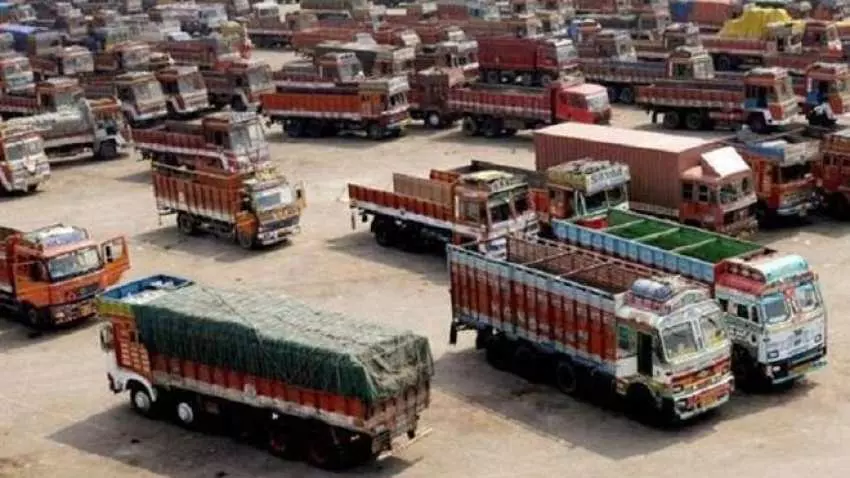
Hyderabad: At least half of the diesel — 44 million metric tonnes — imported to India is used by medium and heavy commercial vehicles. Even though the country pushes toward becoming a $5 trillion economy, India continues to rely heavily on long-haul trucking powered by diesel — an expensive, import-dependent, and environmentally taxing model.
The answer lies in reimagining freight movement through a hub-and-spoke system anchored in railways — trucks for short distances, trains for long distances. In this model, diesel and electric trucks function as local collection and distribution agents — the “spokes” — connecting factories, warehouses, farms, and ports to designated railway freight hubs. From these hubs, freight shifts to electric-powered railway goods trains — the “hubs”— for long-distance transport. At the destination hub, trucks again take over for last-mile delivery.
This is not a new idea globally, but India has yet to fully operationalise it at scale. The country has almost completed the work on the dedicated rail freight corridors. Moving freight by rail consumes significantly less fuel per tonne-kilometre and reduces congestion on highways.
However, the biggest bottleneck is not infrastructure — it is standardisation. India needs to move towards uniform container formats for trucks and trains, which will make cargo transfer faster and cut handling costs. Another option to explore is the ‘trucks-on-train’ service, where instead of a container, the truck itself gets loaded on the train.

