Rupee, Bonds Rally on Ceasefire Relief & RBI Pause

RBI holds rates, while lower crude and calmer markets lift sentiment
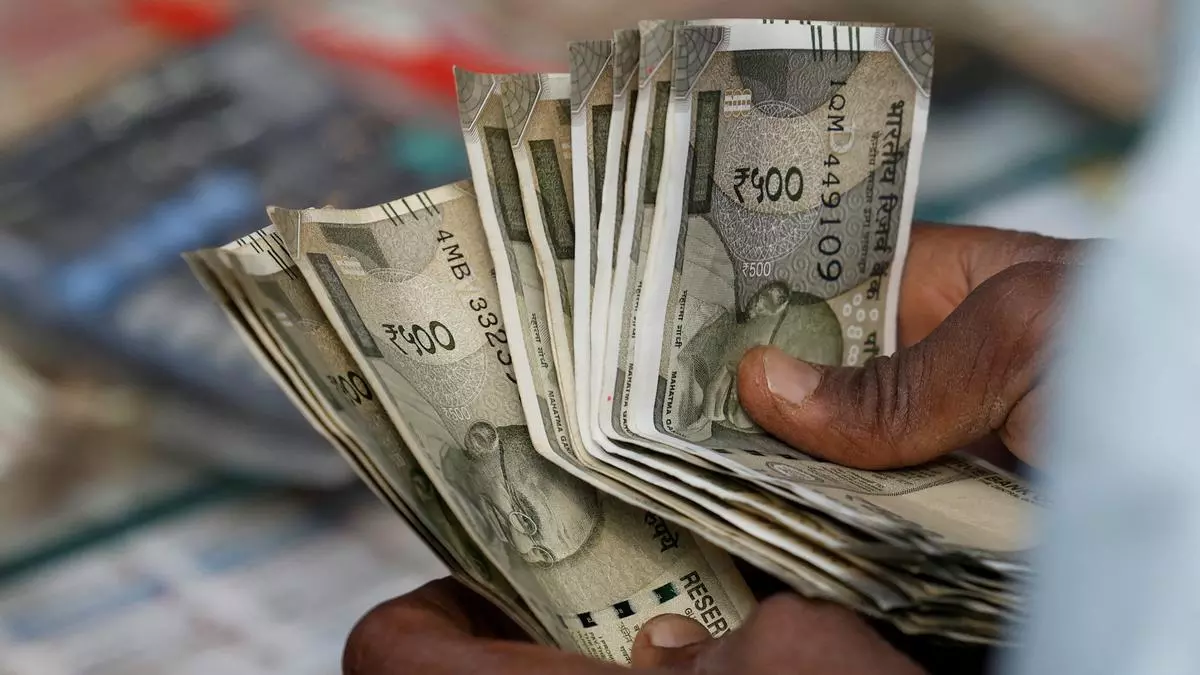
Mumbai: The Indian rupee and bonds rallied on Wednesday following a two-week ceasefire announcement by the United States in its war with Iran and the RBI's decision to keep rates and stance unchanged in its first bi-monthly monetary policy for the fiscal. Brent Crude prices were trading lower by 13.73 per cent at $ 94.27 per barrel in futures trade, after the announcement of the ceasefire.
At the interbank foreign exchange market, the rupee opened at 92.64 to a dollar. It touched a high of 92.9 and a low of 92.47 before closing at 92.58, a fall of 42 paise compared to its Tuesday's close of 93 to a dollar. It has fallen to a historic low of 95.22 low in the last week of March 2026. Meanwhile, the India government 10-year yield fell to 6.92 per cent, a full 10 basis down from Tuesday's level of 7.02 per cent.
Investor sentiment got a further boost after Governor Sanjay Malhotra in the Monetary Policy press conference, assured that the measures on forex were all temporary in nature, taken due to artificially drawing up of prices.
Dilip Parmar, senior research analyst at HDFC Securities, said, "The Indian rupee has staged a notable recovery following the announcement of a ceasefire in the Middle East. This rebound was further bolstered by several key tailwinds, including a plunge in crude oil prices, supportive commentary from the RBI regarding recent regulatory curbs, and a sharp rally across global equity indices."
"With geopolitical anxieties dissipating, both the rupee and its regional currencies appear poised for additional strength over the coming days. From a technical perspective, the trading range for the USDINR has shifted to 92 and resistance at 93.10," added Parmar.
"We did notice that in the last few weeks of March, there was heightened volatility in the forex market. We saw that positions were being built up, leading to arbitrage positions between the non-deliverable forward markets and the deliverable markets. When there is excessive building up of positions and perhaps not helping in price discovery, such kind of measures are taken," said Malhotra.
The rupee has been under some strain, and that is mostly thanks to weak foreign direct investment (just $6 billion so far this year, compared to the $38–44 billion we used to see). Foreign investors pulled $18 billion out in FY26, and ongoing trade deficits are not helping.
The RBI's MPC left its key repo rate unchanged at 5.25 per cent for the second straight meeting and maintained a neutral stance. The decision was in line with market forecasts, as the Iran war had threatened GDP growth and fuelled inflationary pressures. Meanwhile, GDP growth for FY2026-27 is estimated at 6.9 per cent, average inflation for FY27 is projected at 4.6 per cent.
